BankToons · Economy
Why Does Everything Cost More in the US? How Inflation Works
Why does everything cost more in the US? This is how inflation works, in plain words. In the 12 months to August 2026, prices rose 3.4%. In 1970 a new house cost about $23,400 and a stamp cost 6 cents. In August 2026 the typical new house sold for about $394,000, and a stamp cost 82 cents.
Money is not the stuff itself. It is a ticket you trade for real things like food, homes and work. When more dollars are made but the amount of stuff stays the same, each thing costs more dollars. That is inflation. The Federal Reserve, the country's central bank, aims for about 2% inflation a year. In September 2026 it raised interest rates for the first time in more than three years.
Inflation also does not reach everyone at once. New money shows up first as bank loans and government spending, so people close to it can buy before prices go up. Wages and rents catch up later, and grocery prices last. This is called the Cantillon effect.
Who benefits from inflation? People who owe a fixed amount, like a borrower or the government, because each dollar gets easier to earn. It hurts lenders and savers, most of all cash that earns nothing. And your own inflation rate depends on what you buy: from 2000 to 2025, TVs fell about 98% while hospital services rose about 275%.
Our take: do not leave a large pile of savings sitting in cash for years. Look for places it can at least keep up with prices, and measure a raise against your own costs, not the headline number. This video is for education, not personal financial advice.
Why does everything cost more in the US?
$100 of groceries once filled a whole cart. The same $100 fills less of one every year. That is inflation.
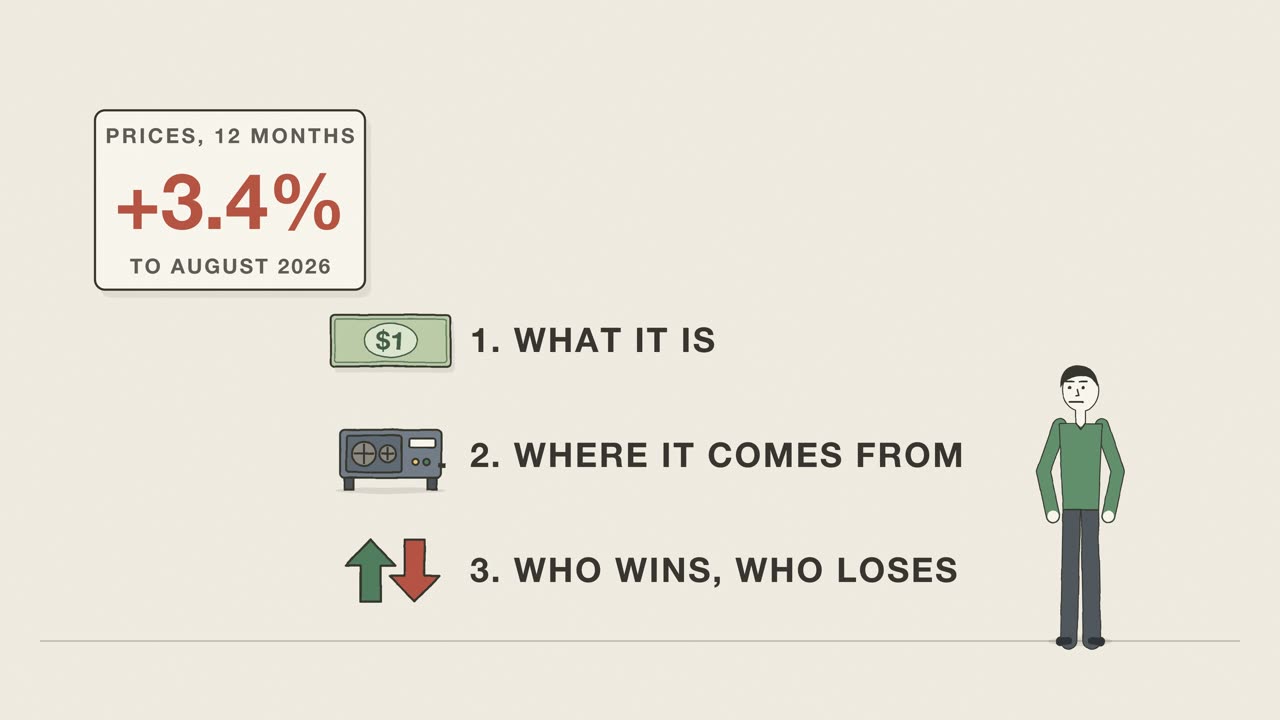
The same money buys less stuff. In the 12 months to August of 2026, prices rose 3.4%.
First, here is what inflation really is. Then we will walk through where it comes from, and who wins and who loses.
What things cost in 1970 vs 2026
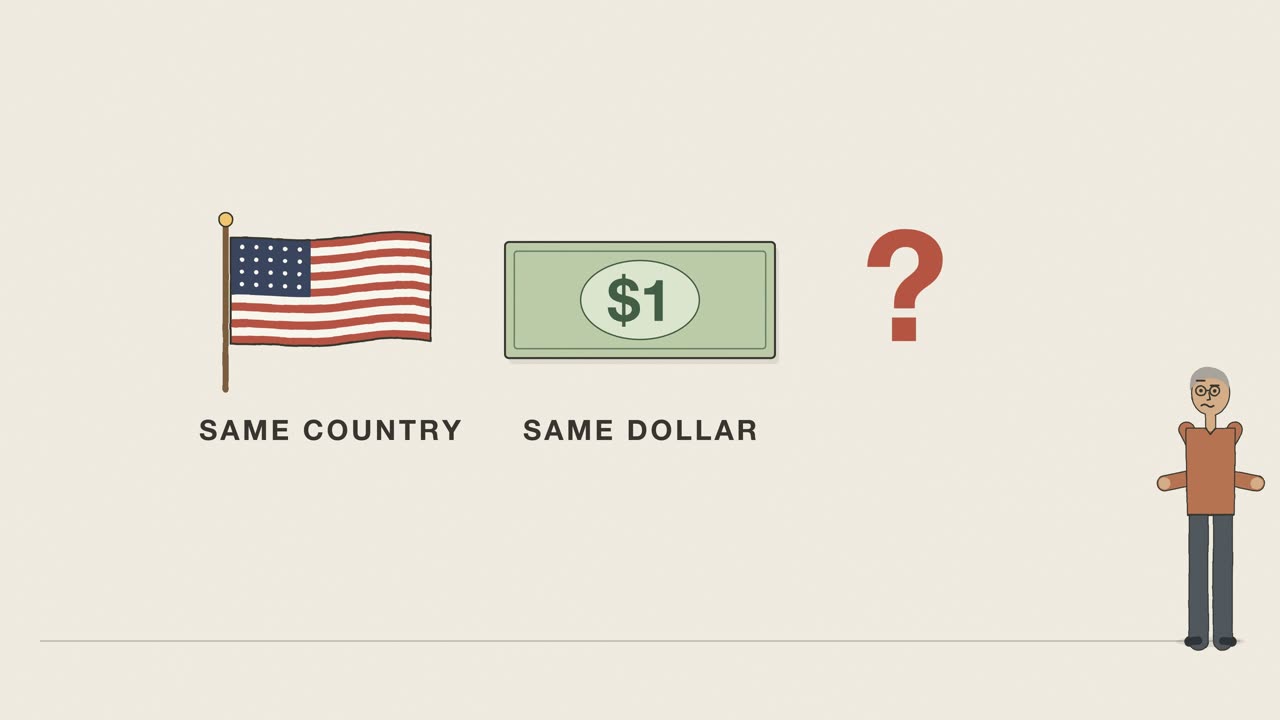
Start with 1970. A new house cost about $23,400. A gallon of gas was about 36 cents.
A movie ticket was about $1.55. A stamp was six cents.
Now jump ahead. In August of 2026, the typical new house sold for about $394,000. Gas averaged about $4.
33 in September, a record for that month. A movie ticket averaged about $11.30 in 2025.
And a stamp went up to 82 cents. Same country. Same kind of dollar.
So what changed?
When the dollar stopped being tied to gold
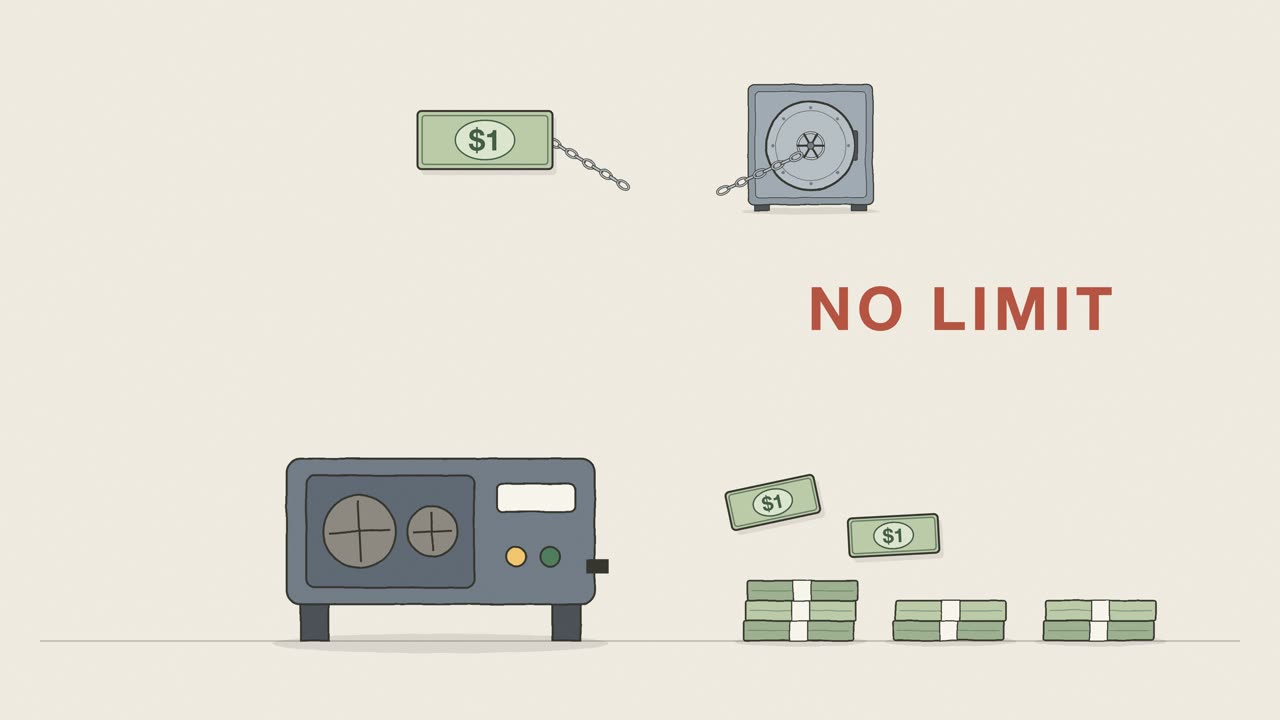
1970 was the last full year the dollar was tied to gold. The United States promised other countries a fixed amount of gold for their dollars. In August of 1971, that promise ended.
After that, nothing in a vault limited how many dollars could be made.
What causes inflation? Money is a claim on stuff
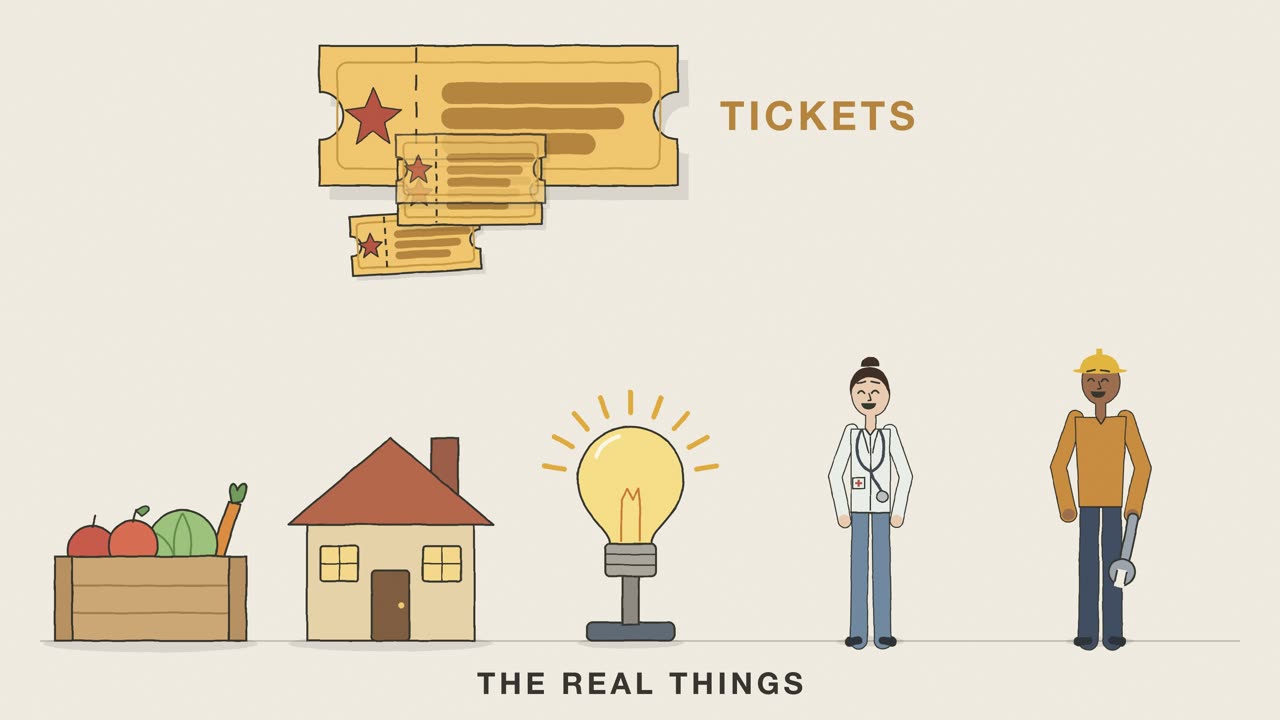
So where does inflation come from? Start with what money is. Money is not the stuff itself.
It is a claim on stuff. Food, homes, energy, doctors and workers are the real things. Dollars are tickets you trade for them.
How inflation works: a tiny town example
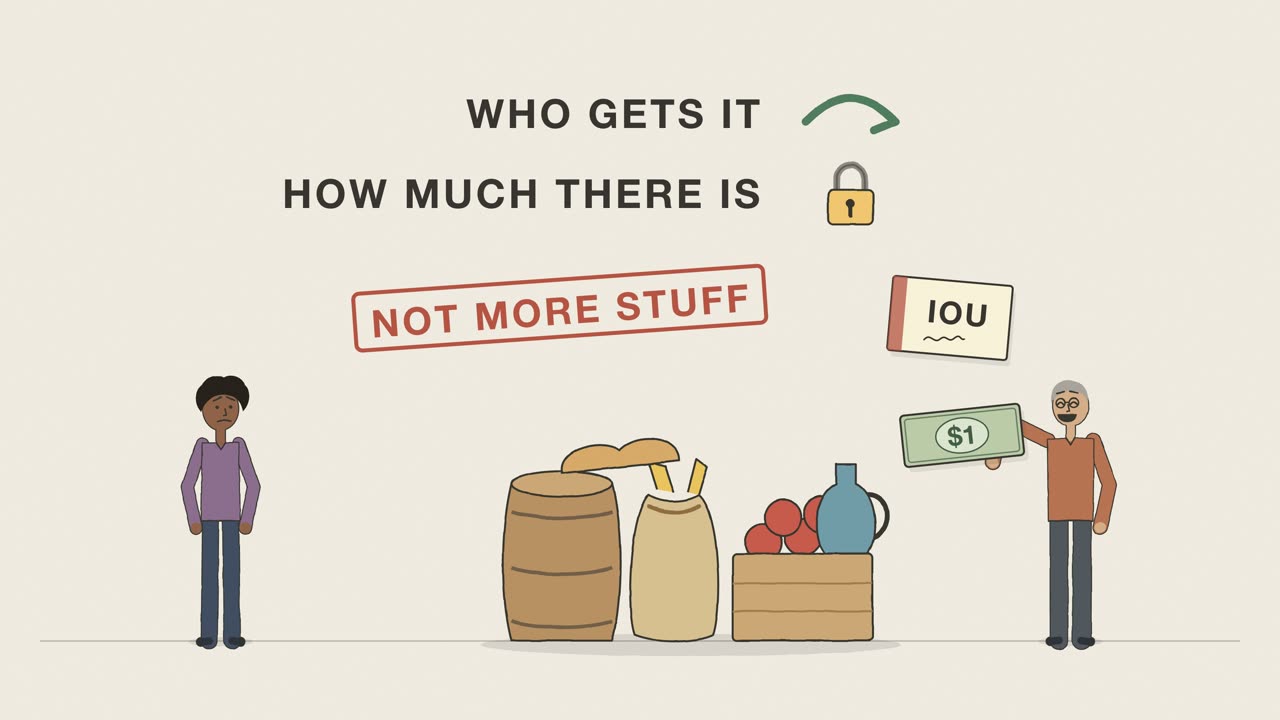
Picture a tiny town. It has 10 things to buy and $10. That is $1 for each thing.
Then the town makes five new dollars. There are $15, but still only 10 things. So each thing ends up costing about $1.
50. Nothing got better. There is just more money bidding for the same stuff.
Here is the same idea with a farmer. She has 10 bags of corn. She can eat six and plant four for next year.
Or she can eat seven and plant three. What she cannot do is eat seven and plant four. That takes 11 bags, and she has 10.
Printing a paper note does not grow an eleventh bag. That is the heart of it. New money and new loans change who gets the stuff.
They do not make more of it.
Why the Fed targets 2% inflation
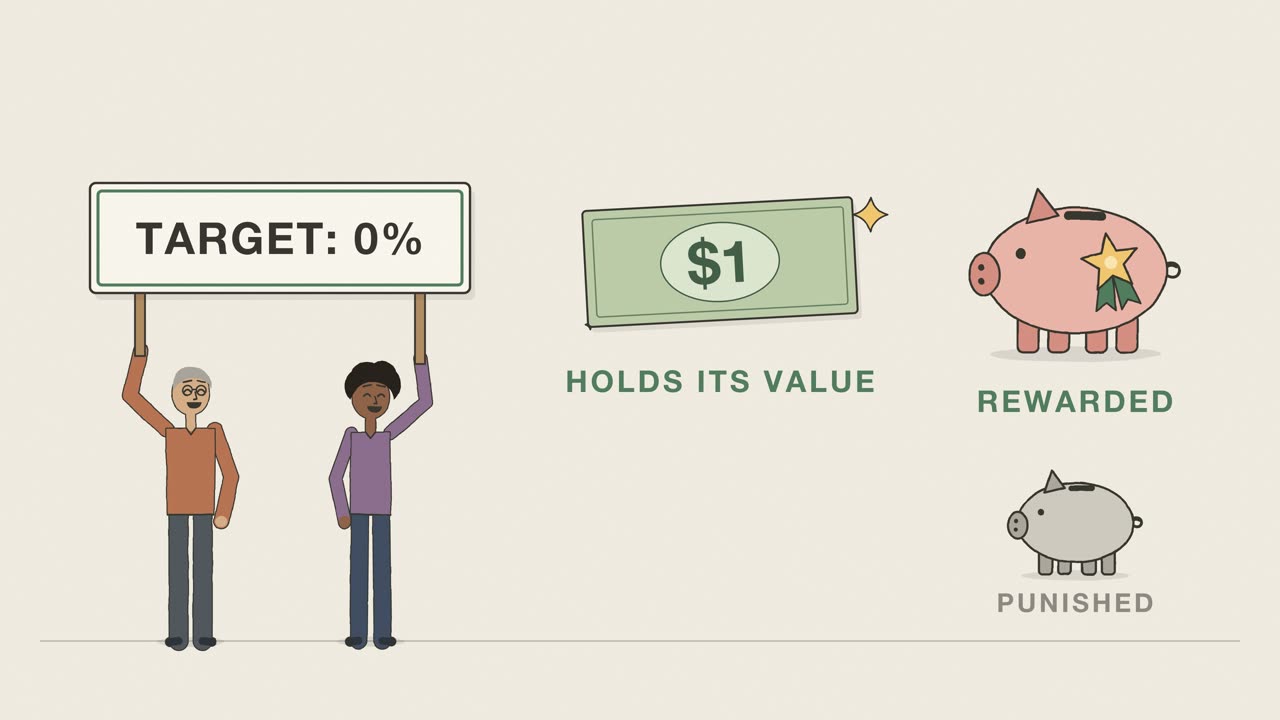
People do not agree on how much inflation is healthy. The Federal Reserve is the country's central bank. Since 2012, it has aimed for about 2% inflation a year.
It gives three reasons. Prices are hard to measure, and the official number likely runs a bit high. A little inflation leaves room to cut interest rates when the economy slows.
And it keeps a safe distance from falling prices. When prices fall, people tend to wait to buy, and a slump can get deeper. Critics say the target should be zero.
They argue money should hold its value, so that saving is rewarded instead of punished.
The Fed's September 2026 rate hike
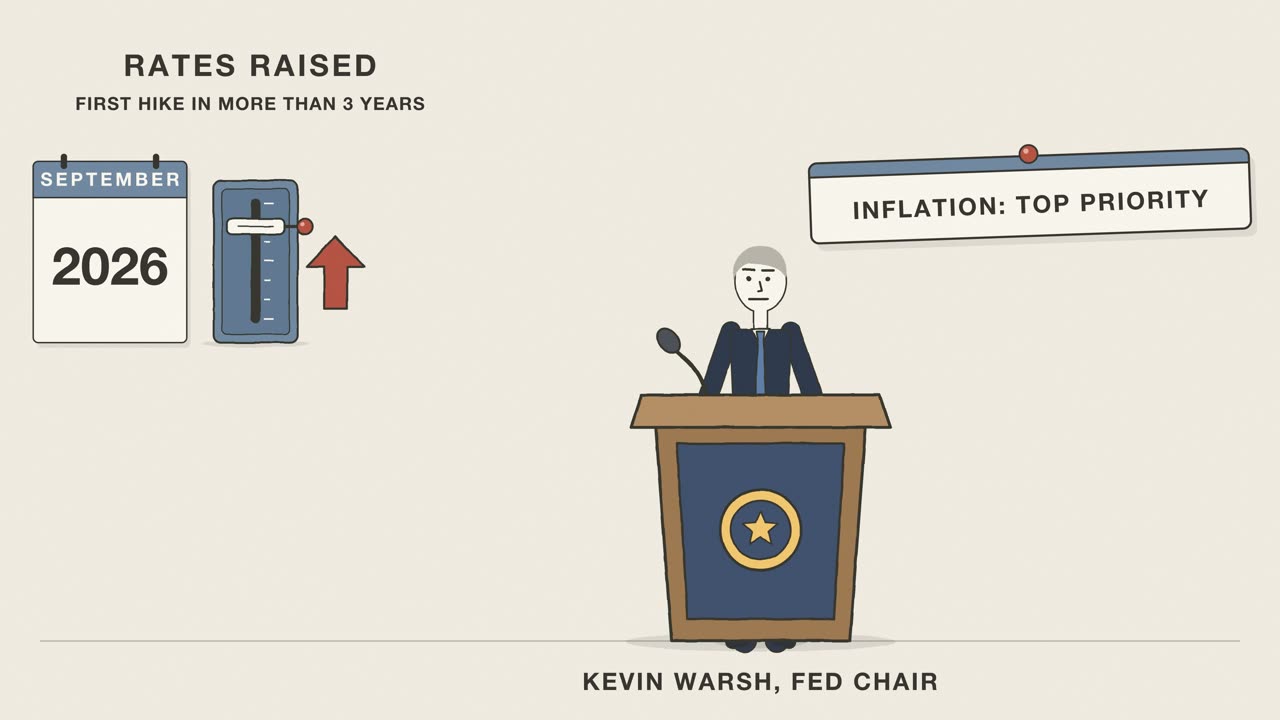
In September of 2026, the Fed raised interest rates for the first time in more than three years. Its chair, Kevin Warsh, called inflation its top priority.
The Cantillon effect: who gets new money first
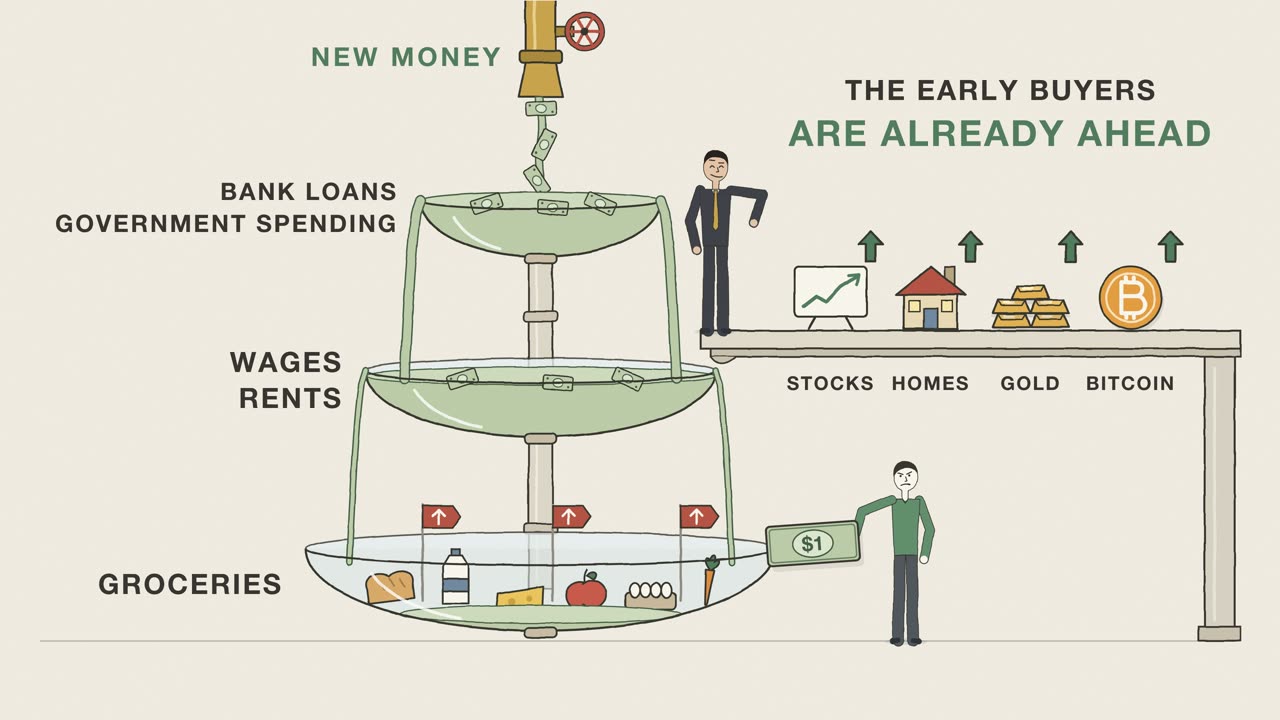
Inflation also does not reach everyone at the same time. This is the part most people miss. Economists call it the Cantillon effect, after Richard Cantillon, a writer from the 17 hundreds.
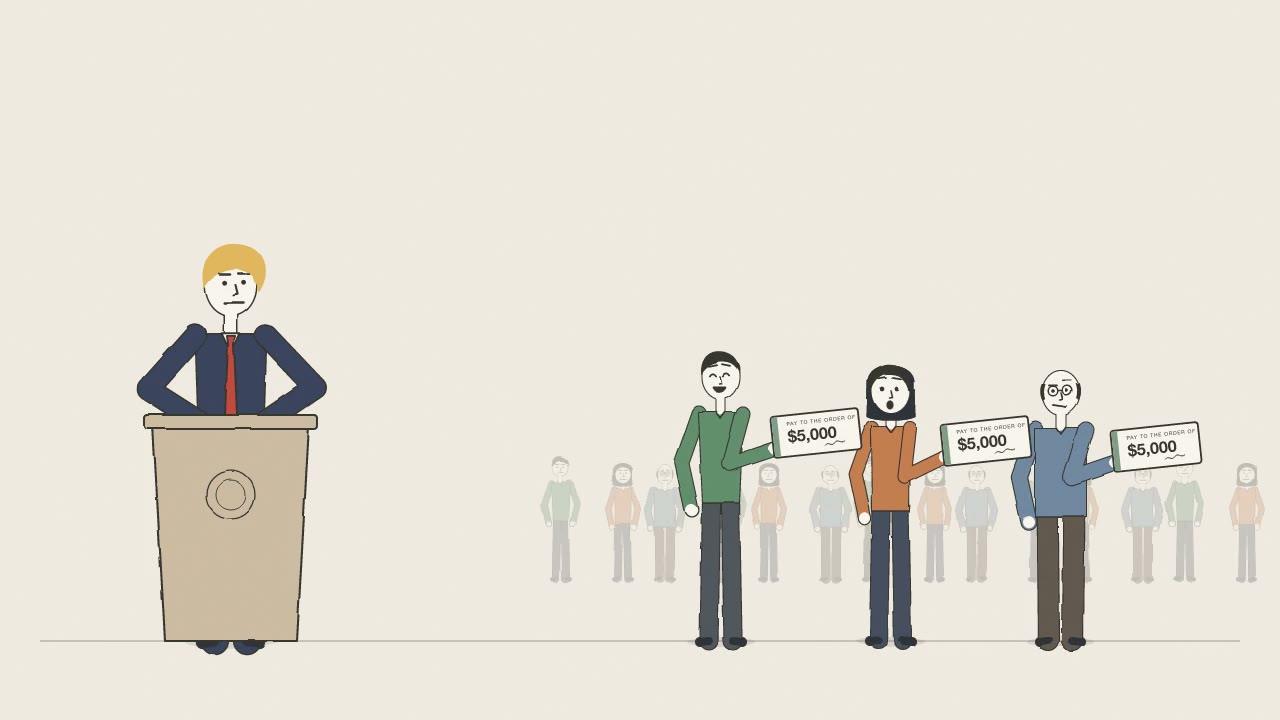
It means that who gets new money first matters. New money enters at the top. It shows up first as bank loans and government spending.
People close to that money can buy assets before prices adjust. Think stocks, homes, gold, even bitcoin. Later, the money reaches wages and rents.
Last, it reaches the price of groceries. By then, the early buyers are already ahead.
Why paychecks lag behind prices
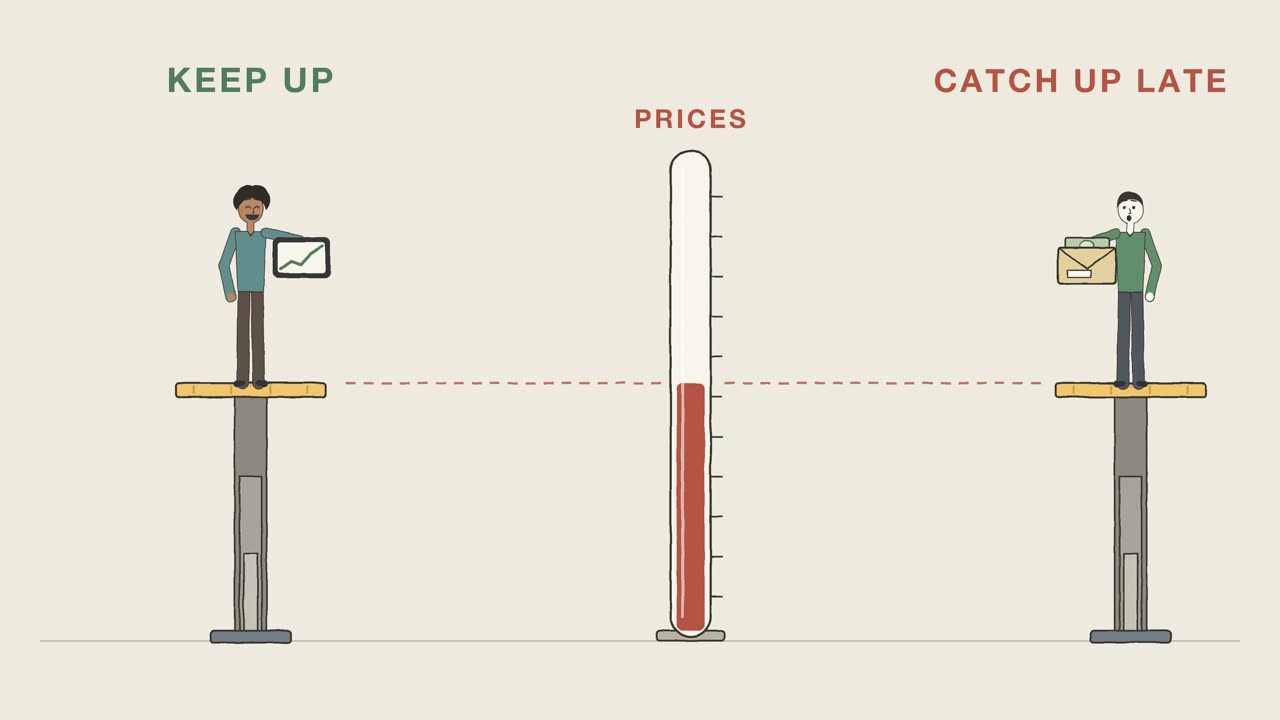
The timing makes it worse. Most paychecks change about once a year. So does most rent.
Food prices change every few weeks. Stock prices change every second. People who own fast moving assets keep up.
People living on a paycheck catch up late.
Why there is no single inflation rate: TVs vs college and hospitals
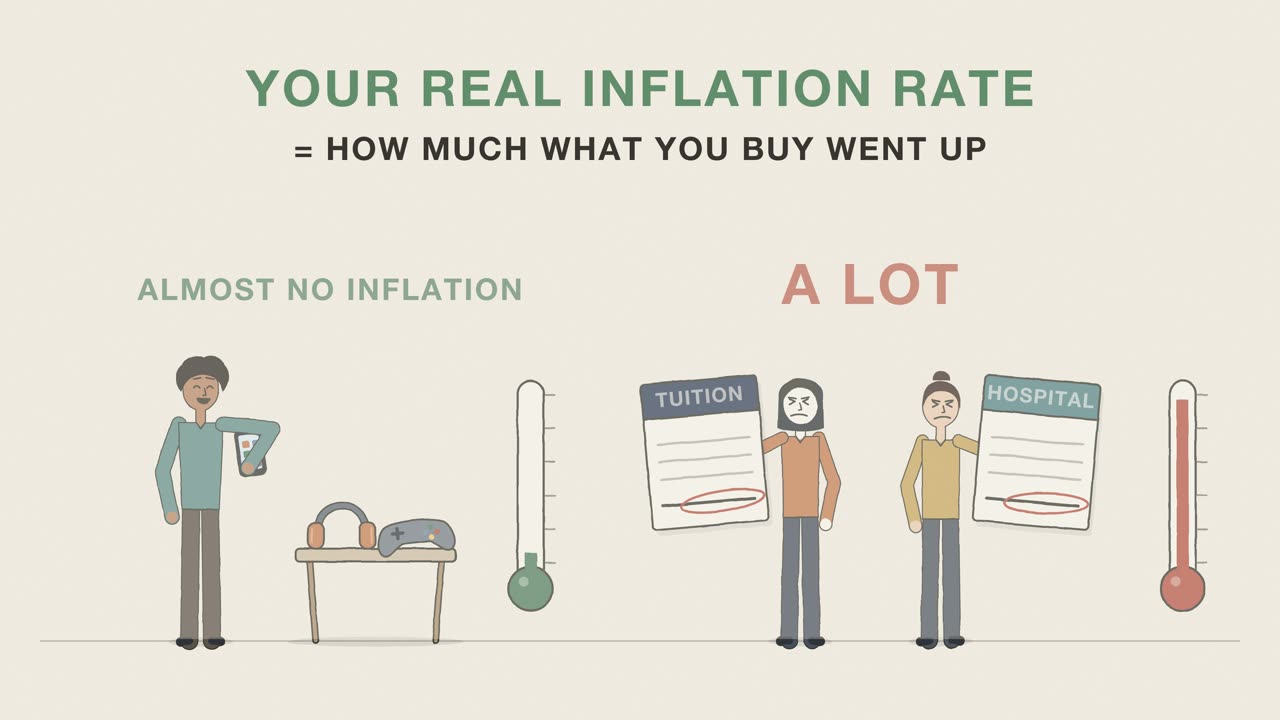
There is also no single inflation rate. The official number is an average over a whole basket of things. Your own rate depends on what you buy.
From 2,000 to 2025, prices overall rose about 92%. But TVs fell about 98%. Computer software fell about 75%.
College tuition rose about 196%. Hospital services rose about 275%. So someone who mostly buys gadgets feels almost no inflation.
A family paying for college and a hospital stay feels a lot. Your real inflation rate is how much the things you buy went up.
Who benefits from inflation? Borrowers
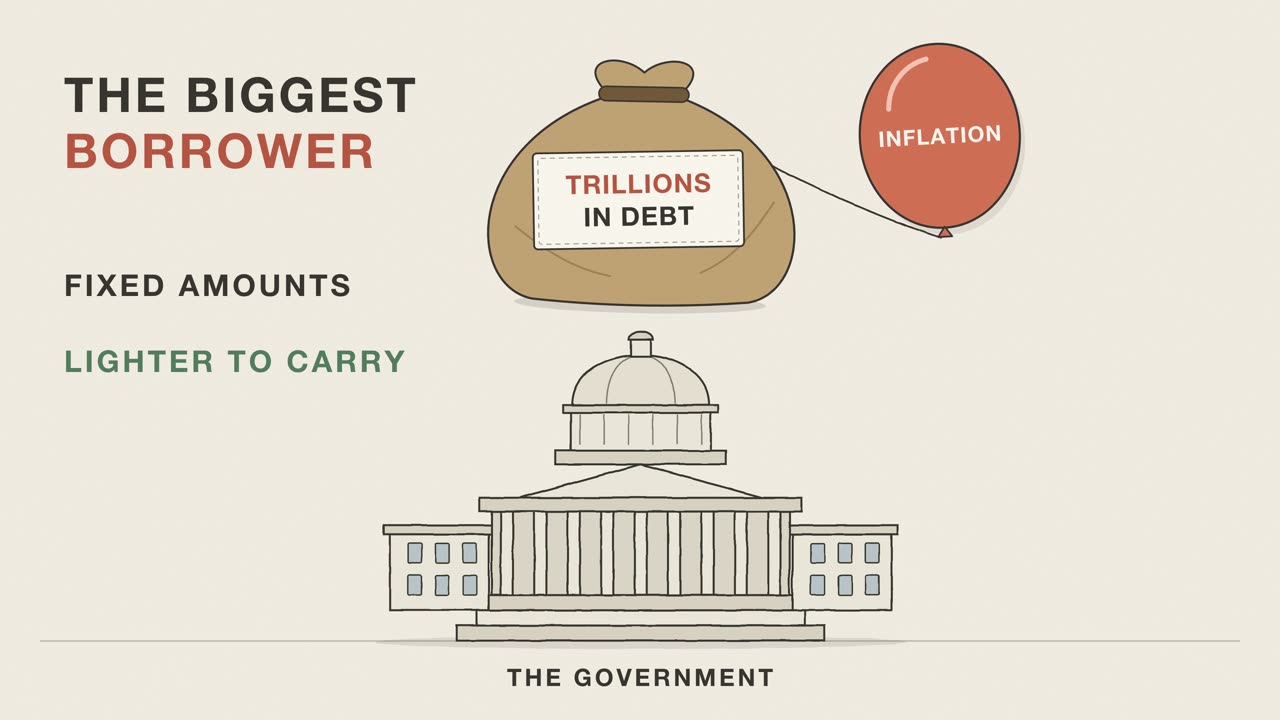
So who wins? Anyone who owes a fixed amount of money. A debt stays the same number of dollars.
But each of those dollars gets easier to earn. Say you owed $10,000 in 1970. That was about a full year of pay for a typical family.
In 2025, a typical household earned about $87,000. $10,000 is about six weeks of that. The biggest borrower of all is the government.
It owes trillions of dollars in fixed amounts. Inflation makes that debt lighter to carry.
Who loses from inflation? Savers and lenders
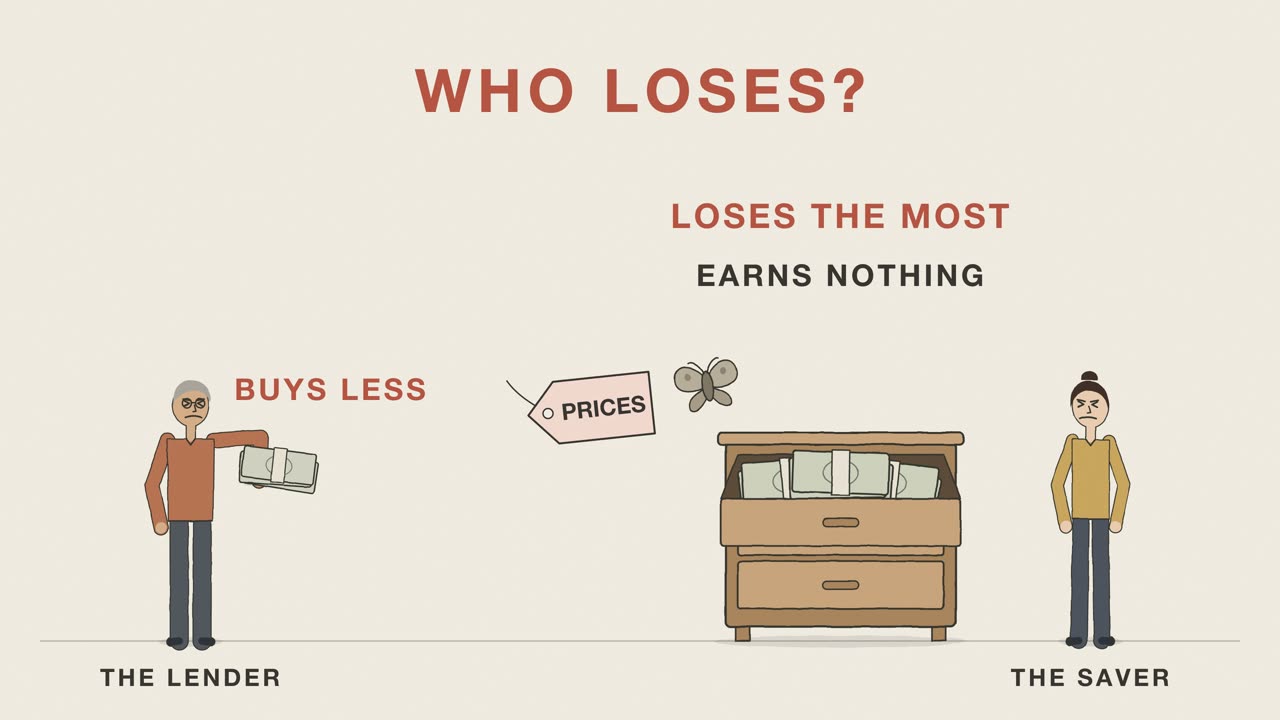
So who loses? The lender and the saver. Say you lend money at 3%, and prices rise 4%.
You get paid back in dollars that buy less than the ones you lent. Cash sitting in a drawer loses the most. It earns nothing while prices climb.
Can prices fall? Gold, land and scarce things
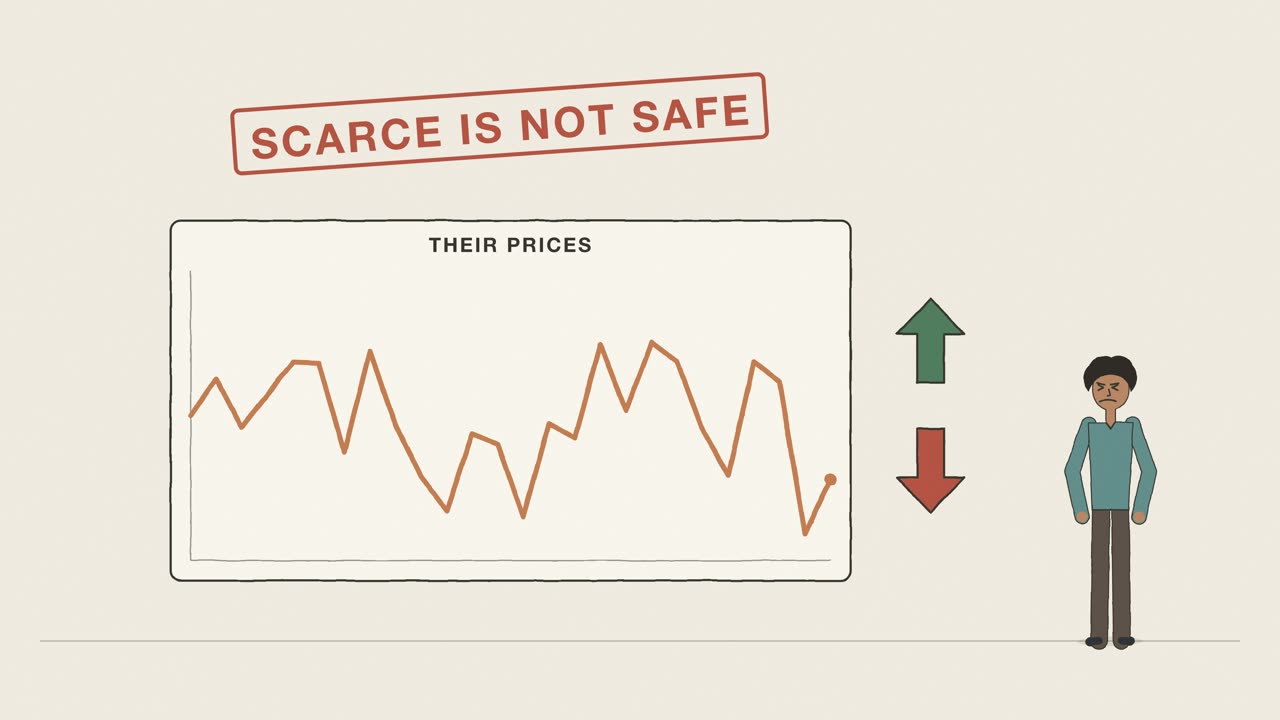
Prices do not have to rise forever. When people get better at making something, its price can fall. That is what happened to those TVs.
Some things are also hard to make more of. Gold is hard to dig up, so its supply grows only about 2% a year. Land is limited.
Some digital coins, like bitcoin, have a fixed cap. That is why people often turn to gold, land and homes when they worry about inflation. But scarce does not mean safe.
Those prices can swing hard in both directions.
So, why does everything cost more?
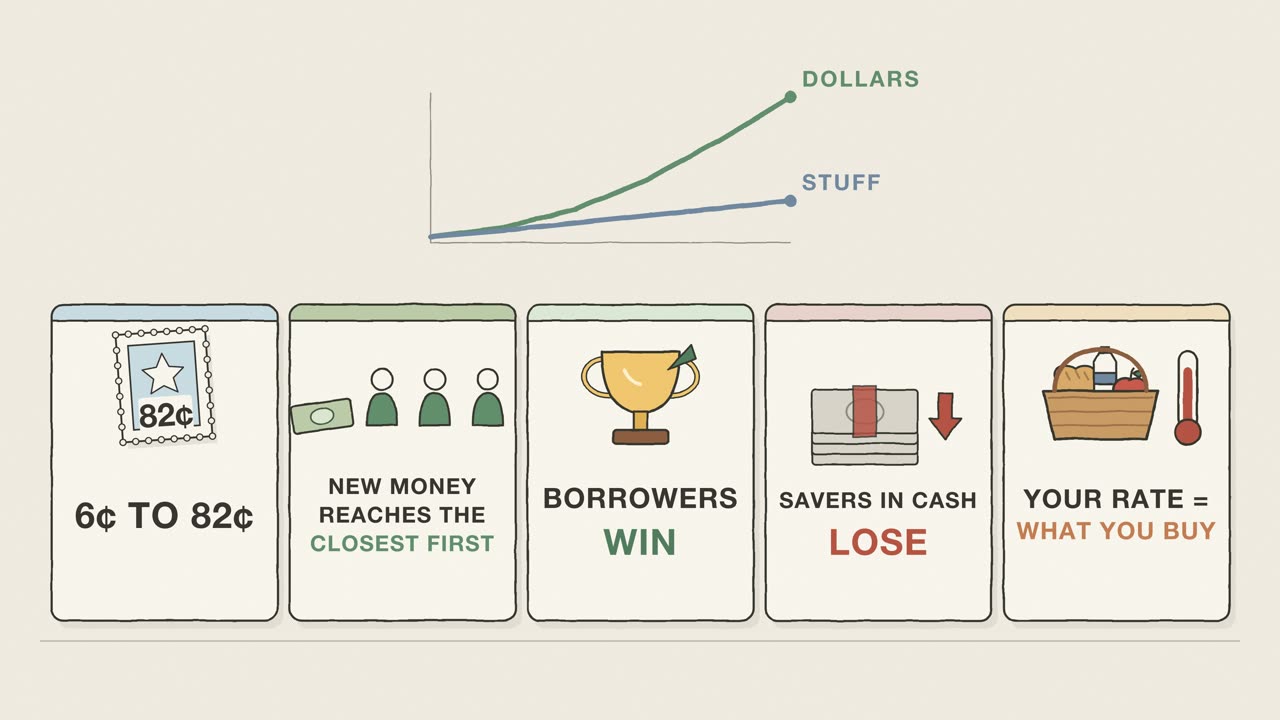
So, why does everything cost more? Because the number of dollars has grown faster than the stuff they buy. A stamp went from six cents to 82 cents.
New money reaches the people closest to it first. Borrowers win. Savers holding cash lose.
And your real inflation rate depends on what you buy.
Our take
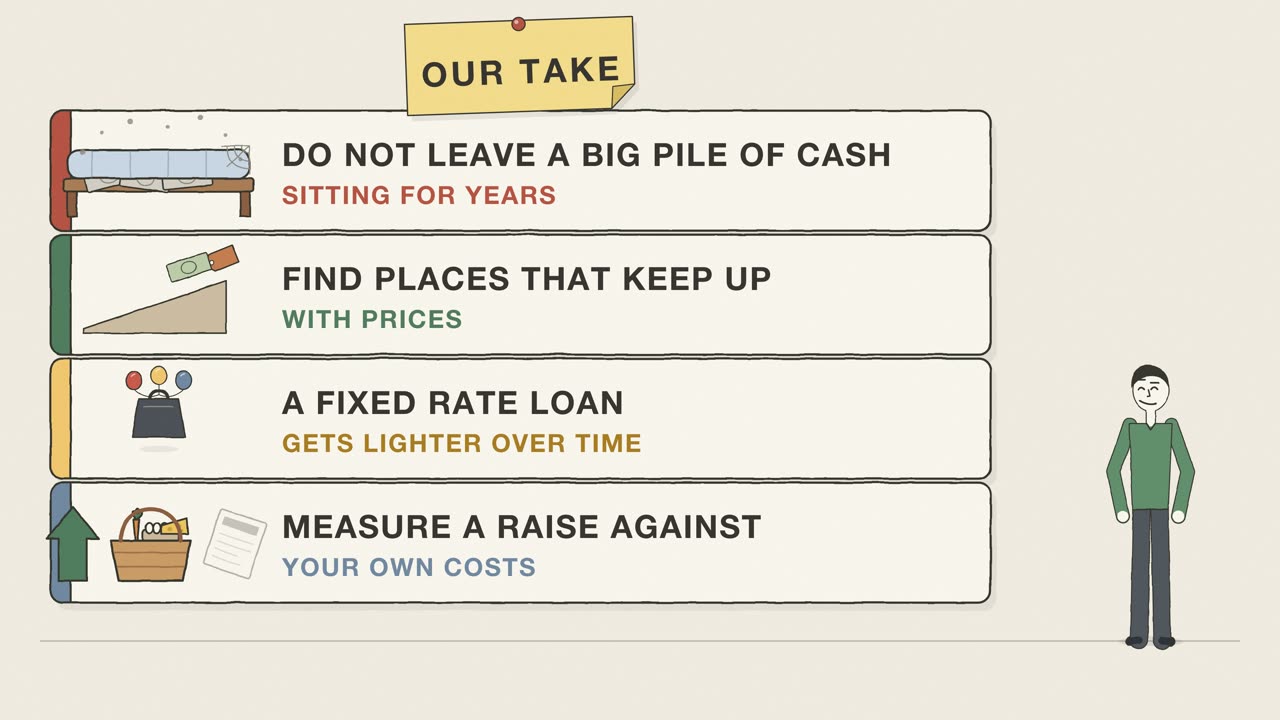
Here is our take. Do not leave a large pile of savings sitting in cash for years. Look for places it can at least keep up with prices.
If you have a fixed rate loan, remember that rising prices make it lighter over time. And when you ask for a raise, measure it against your own costs, not the headline number. A dollar is a promise about what it will buy.
Since 1970, that promise has shrunk almost every year. So judge your money by what it buys, not by how many dollars you hold.