
BankToons

Your bestest neighbor sharing money things

Subscribe
Latest

Money explained simply, in cartoons.

Prices Are Rising Again: 3 Moves to Make NOW▶ 4:31

Inflation · Latest

Prices Are Rising Again: 3 Moves to Make NOW

Prices are rising again. In September of 2026, prices were up 3.7% from a year before, and average pay was up only about 3%. So if you got a 3% raise this year, you can buy a little less than a year ago: in practice, a pay cut. This BankToons explainer gives three moves to win it back. Say you earn $60,000 a year, owe $6,000 on a credit card and have $10,000 in savings.

  • Prices rose 3.7% in the year to September 2026, while average pay rose about 3%
  • The average credit card charged about 22% a year in mid 2026; 8 in 10 people who asked got a lower rate
  • The average savings account paid about 0.38% in October 2026; many online banks paid over 4%
  • On $60,000 a year, a 3% raise against 3.7% price rises leaves you about $420 behind
Why Banks Want You Broke: How Banks Make Money▶ 10:07

Banking

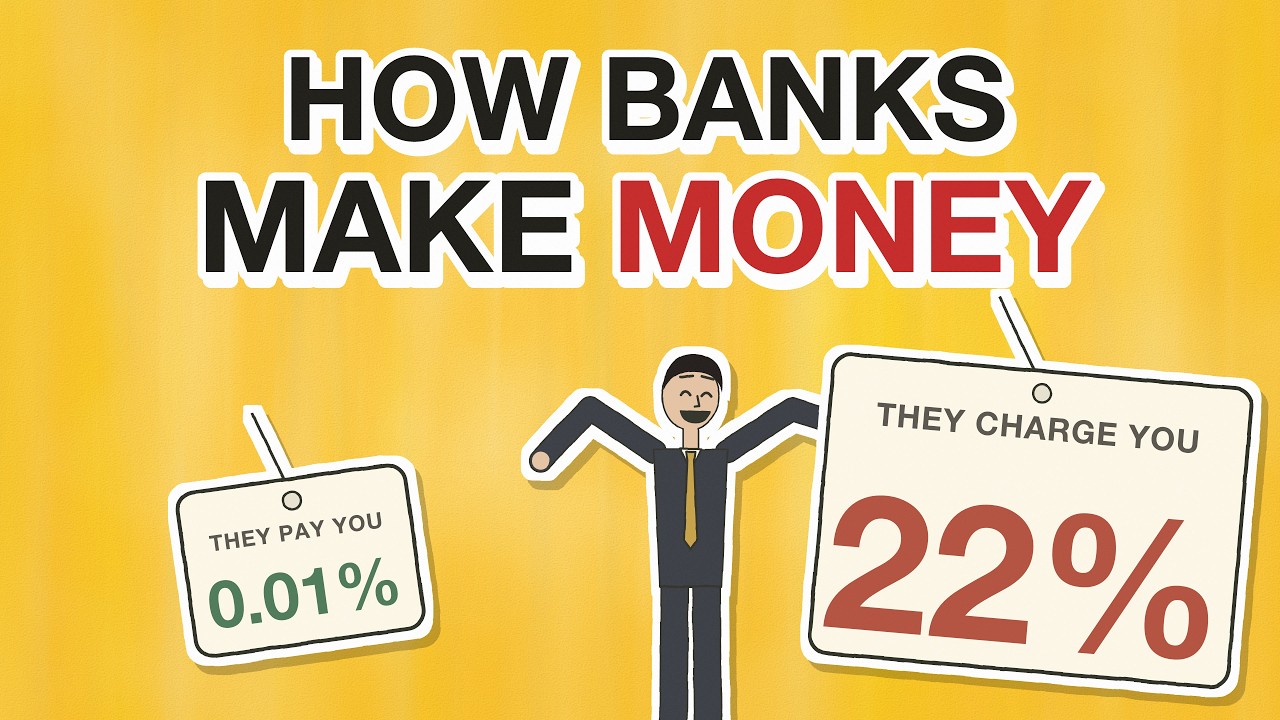
Why Banks Want You Broke: How Banks Make Money

Why do banks want you broke? In this BankToons explainer, the bank's side comes first. People in the credit card business have a nickname for a customer who pays the whole bill every month: a deadbeat. The customer they like is the one who carries a balance and sometimes runs short before payday. From that customer a bank can make about $2,030 a year; from the one who pays in full and never runs short, about $330. A bank is a business, with workers, rent and owners who expect a profit. Here is its playbook, in four moves.

  • At the biggest banks, $10,000 in savings earns about $1 a year; online banks pay about $400
  • In the first half of 2026, U.S. banks made about $170 billion in profit and paid about $150 billion to their owners
  • Credit cards charged about 22% a year in August 2026; on the average $6,500 balance, about $120 a month
  • The average overdraft fee is about $27; about one in eleven accounts paid almost 80% of all overdraft fees
Why the Rich Get Richer: 5 Rules Anyone Can Copy▶ 10:12

Investing

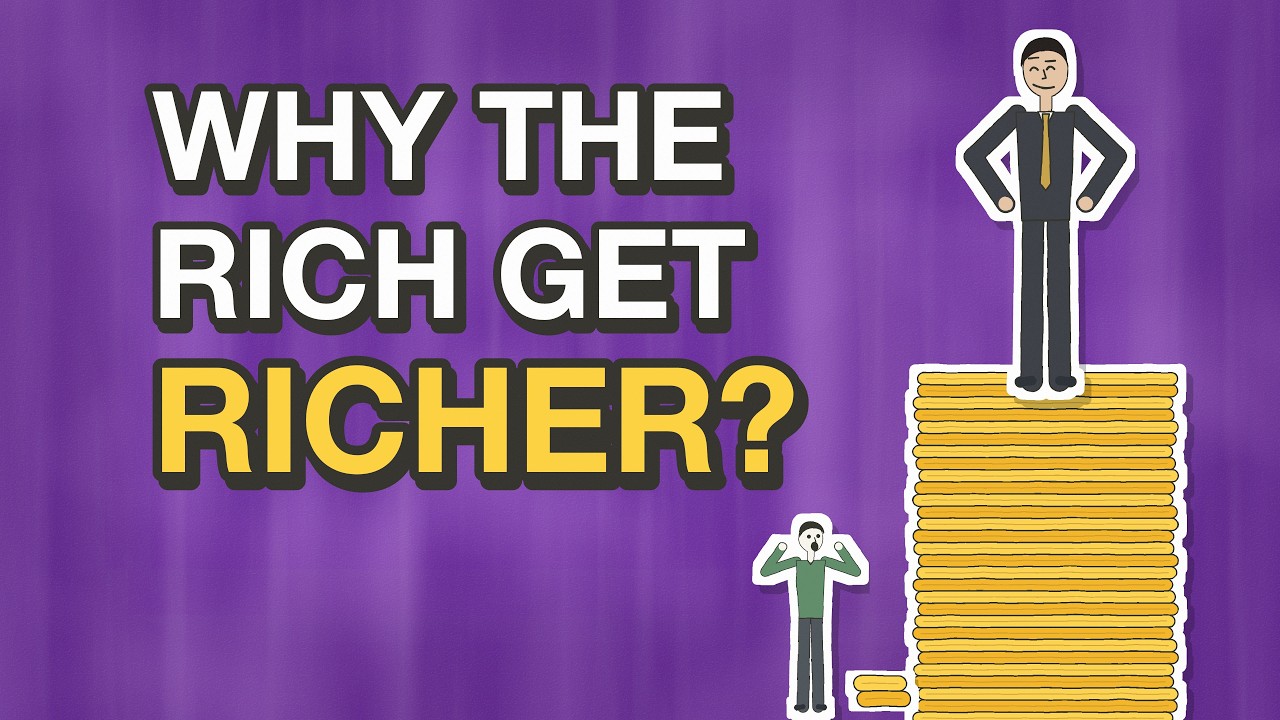
Why the Rich Get Richer: 5 Rules Anyone Can Copy

Why do the rich get richer? In this BankToons explainer, two coworkers, Jen and Owen, earn the same pay, about $65,000 a year, and each set aside $500 a month starting in October 2026. Jen keeps hers in a savings account. Owen buys an index fund. Thirty years later, Owen has about four times as much. Same pay, same savings, different rules.

  • In mid 2026 the top 1% of U.S. families held about a third of all wealth; the bottom half about 2%
  • Same pay, same $500 a month for 30 years: about $191,000 in savings vs about $778,000 invested
  • At 3% a year price rises, the $191,000 buys what about $79,000 did at the start
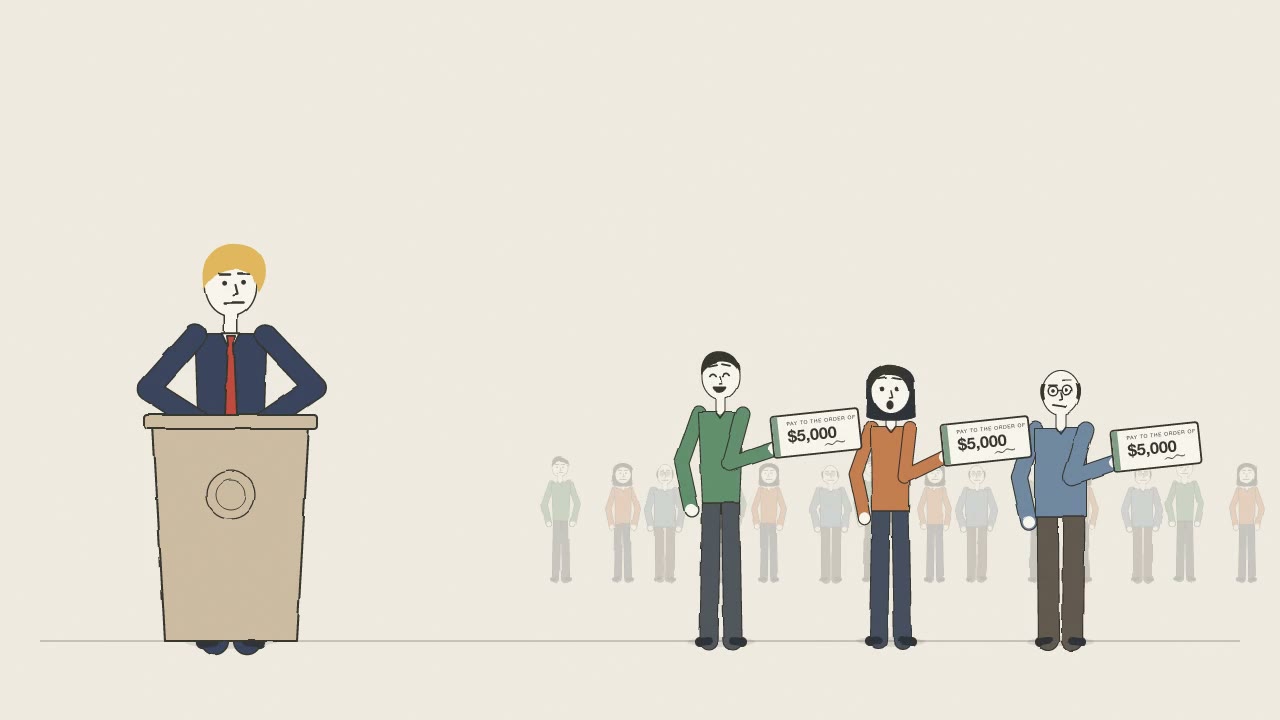
  • The 25 richest Americans: wealth up about $401 billion (2014 to 2018), federal income tax about 3.4% of that
Rent vs Buy a Home: Which Is Better?▶ 8:33

Housing

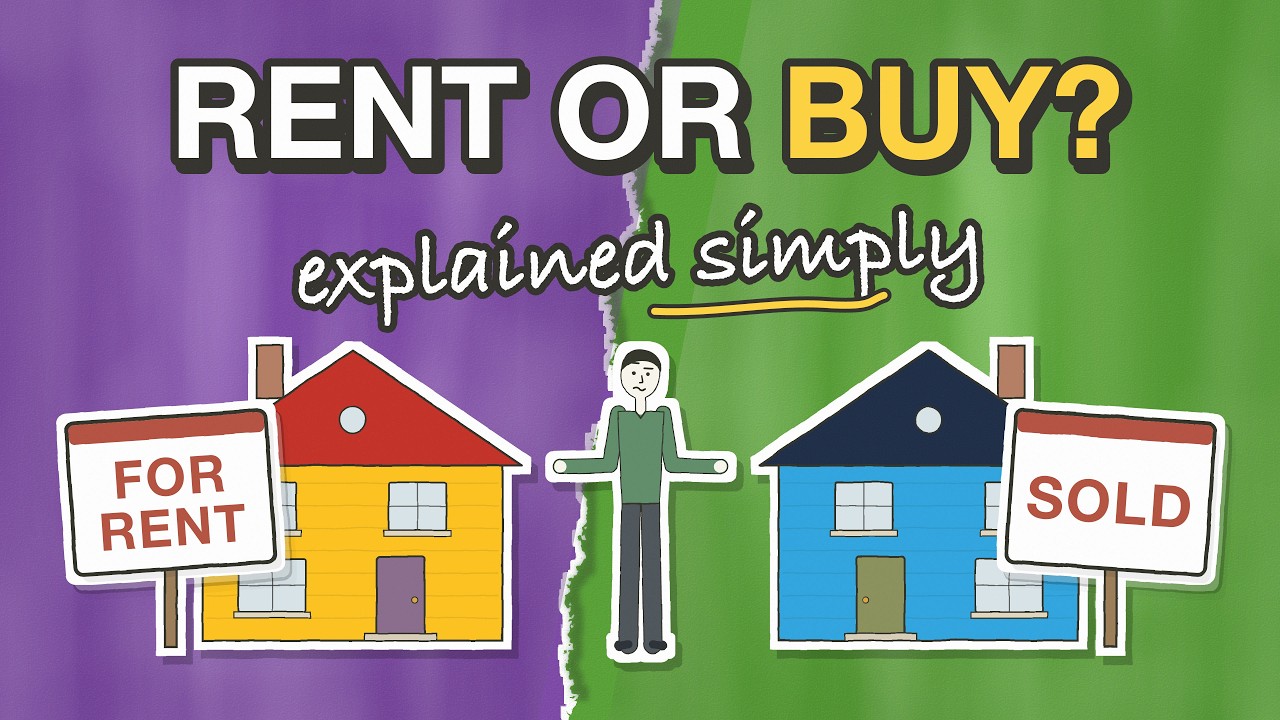
Rent vs Buy a Home: Which Is Better?

Should I rent or buy a home? Two neighbors, Rosa and Ben, earn the same pay and have $50,000 saved each in October 2026. Ben buys a $400,000 house. Rosa rents the same kind of house next door and invests every dollar she does not spend on housing. Thirty years later, Ben is a little ahead, but Rosa was winning for most of those years.

  • A $400,000 house, 10% down, a 7.4% mortgage: about $3,550 a month all in
  • A house like it rents for $2,300: the renter invests about $1,250 a month
  • Dead even at year 5; the buyer pulls ahead around year 17
  • At a 6.3% rate the buyer passes the renter in year 7
Roth IRA vs 401k: Which Is Better?▶ 8:40

Retirement

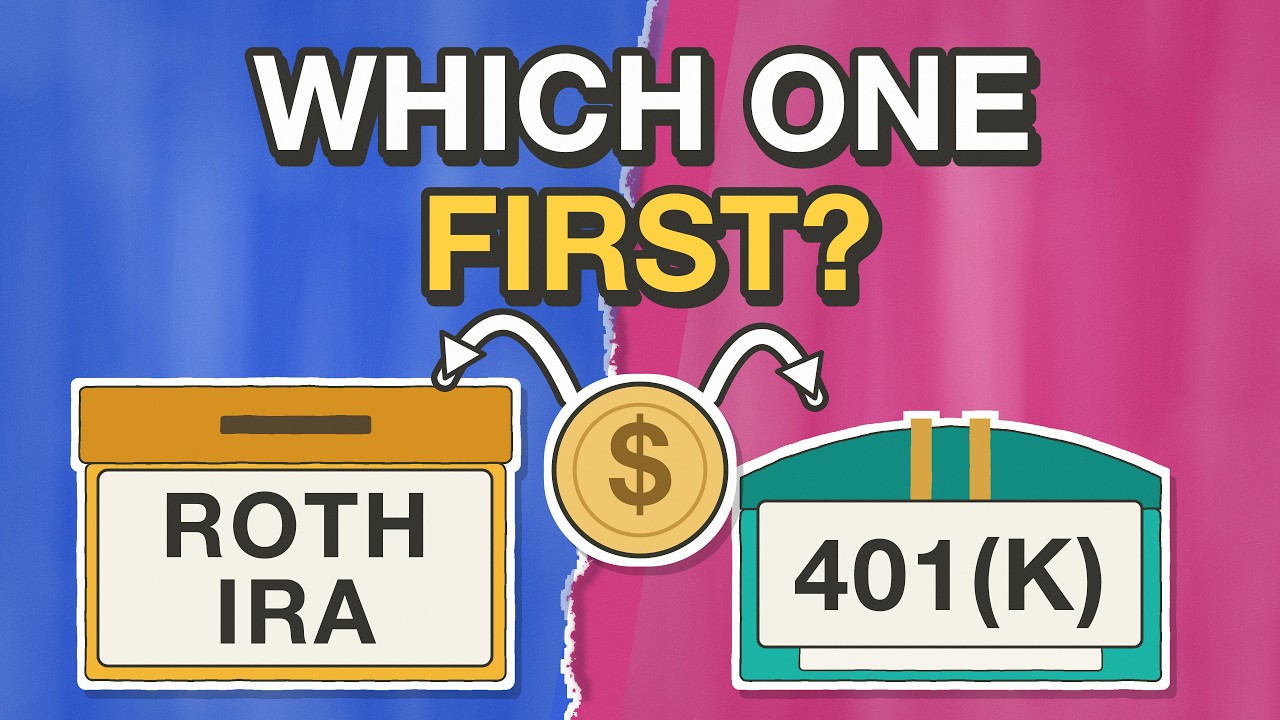
Roth IRA vs 401k: Which Is Better?

Roth IRA vs 401k: which is better? Two coworkers, Maya and Leo, start the same job in 2026 with the same pay, and each saves $500 a month. Maya opens a Roth IRA. Leo just checks the box for the 401(k) at work. Thirty five years later, Leo is about $200,000 ahead, but the lead changes hands along the way.

  • A common 401(k) match: 50 cents per dollar on the first 6% of pay
  • $60,000 a year: $1,800 a year of match
  • A 1% fund fee can eat almost the whole match over 35 years
  • 2026 limits: Roth IRA $7,500, 401(k) $24,500
How to Invest in Stocks for Beginners: Explained Simply▶ 8:28

Investing

How to Invest in Stocks for Beginners: Explained Simply

How to invest in stocks for beginners, told through one story. Sam started at 25 in 1985 and put $250 into the stock market every month. Then the crashes came: 1987, 2000, 2008 and 2020. Sam never sold. By the end of 2025, Sam had put in $123,000, and the account was worth about $2.1 million.

  • $250 a month from 1985: about $2.1 million by the end of 2025
  • $123,000 put in
  • S&P 500: almost 12% a year on average, 1985 to 2025
  • Roth IRA limit: $7,500 a year in 2026
Why Does Everything Cost More in the US? How Inflation Works▶ 6:49

Economy

Why Does Everything Cost More in the US? How Inflation Works

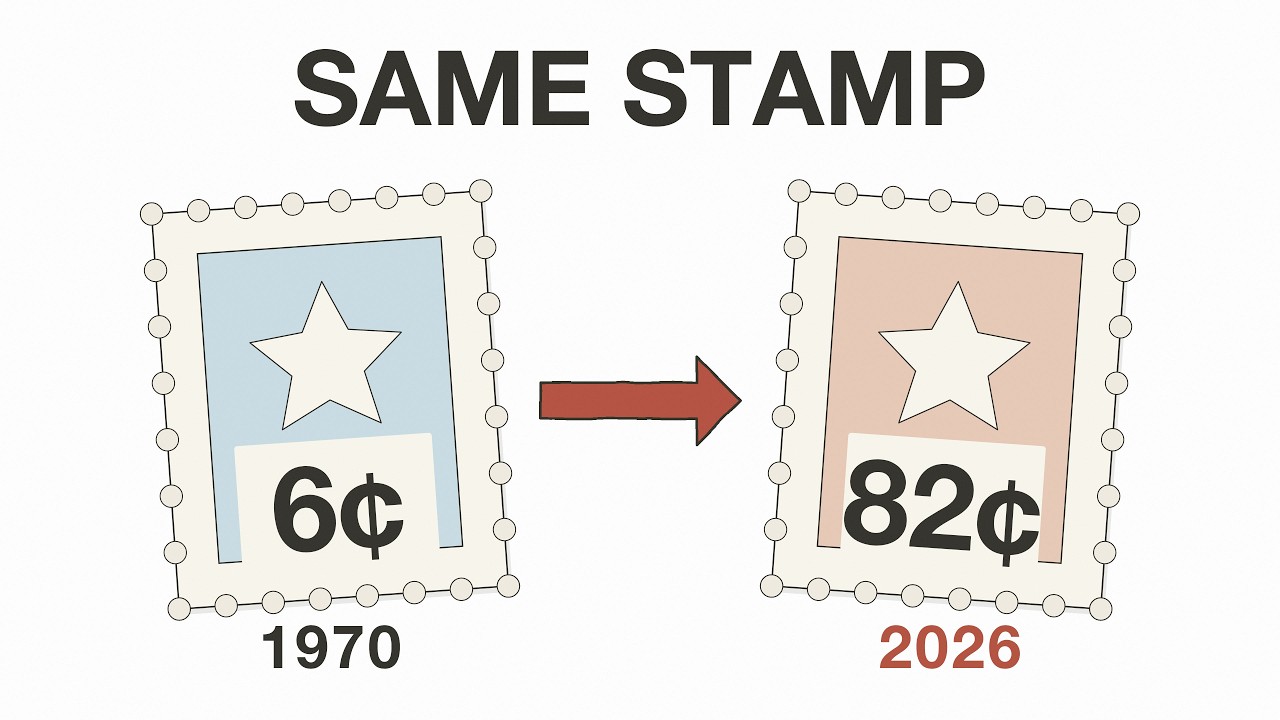
Why does everything cost more in the US? This is how inflation works, in plain words. In the 12 months to August 2026, prices rose 3.4%. In 1970 a new house cost about $23,400 and a stamp cost 6 cents. In August 2026 the typical new house sold for about $394,000, and a stamp cost 82 cents.

  • Prices up 3.4% in the 12 months to August 2026
  • New house: $23,400 in 1970, about $394,000 in August 2026
  • Stamp: 6¢ in 1970, 82¢ in 2026
  • 2000 to 2025: TVs −98%, hospital services +275%
Is October Bad for Stocks? What History Says About 2026▶ 5:38

Markets

Is October Bad for Stocks? What History Says About 2026

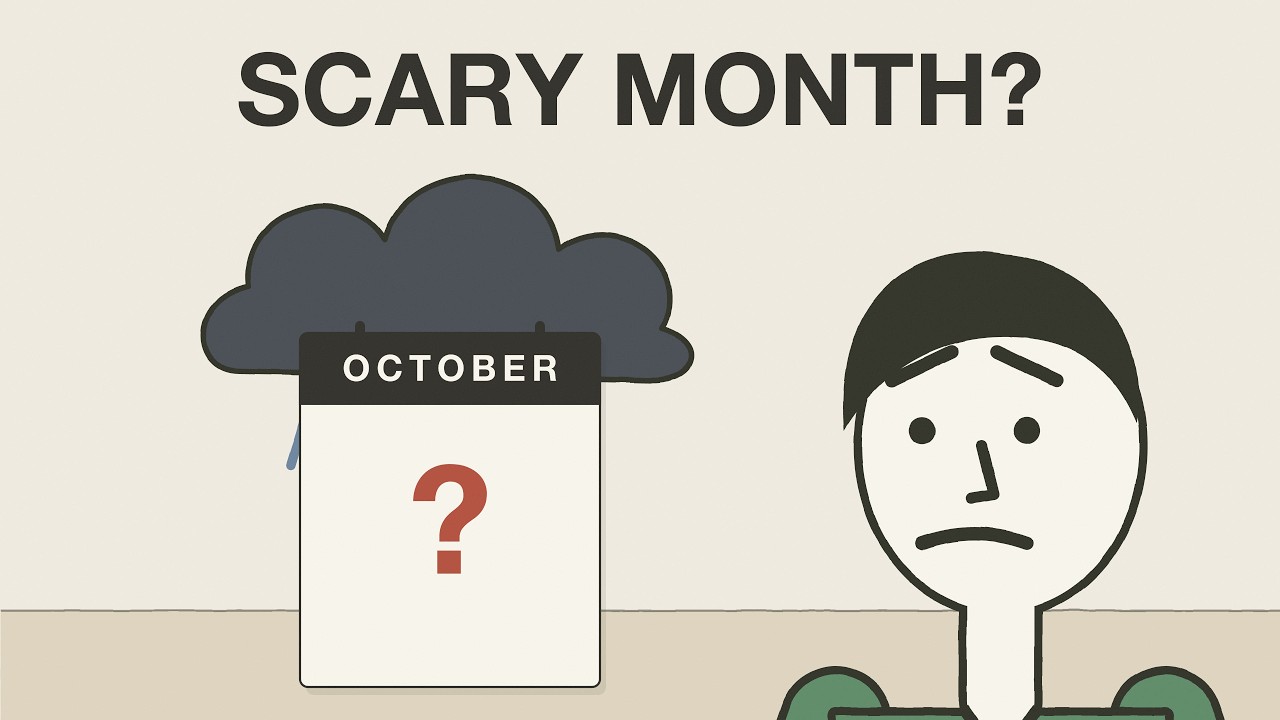
Is October bad for stocks? It has a scary reputation on Wall Street: the crashes of 1929, 1987 and 2008 all happened in it. We look at what the numbers actually show, and why a midterm election year like 2026 looks different.

  • +3.3% average in midterm Octobers
  • 13 bear markets ended in October
  • Up after the October low in about 93% of years
  • + 1 Short
Is the Housing Market Going to Crash in 2026?▶ 6:44

Housing

Is the Housing Market Going to Crash in 2026?

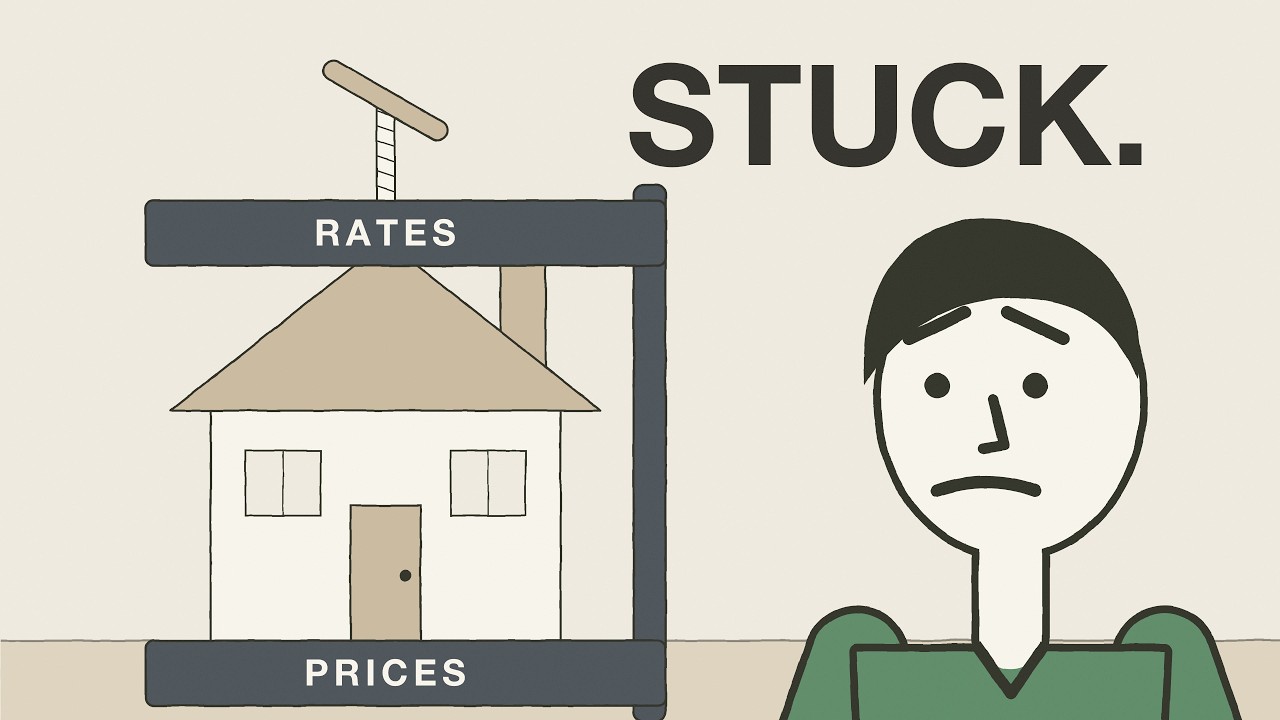
Mortgage rates just jumped to about 7.5%, and long-term government bonds now pay more than they have in over 20 years. We walk through why rates are climbing, how a bond's price and its yield move like a seesaw, and what the math says about home prices.

  • Mortgage rates about 7.5%
  • Prices would need to fall about 14%
  • About $62,000 on a typical home
  • + 1 Short

Follow BankToons

Updated October 30, 2026 · youtube.com/@banktoons