BankToons · Everyday money
Who Profits From High Rates?
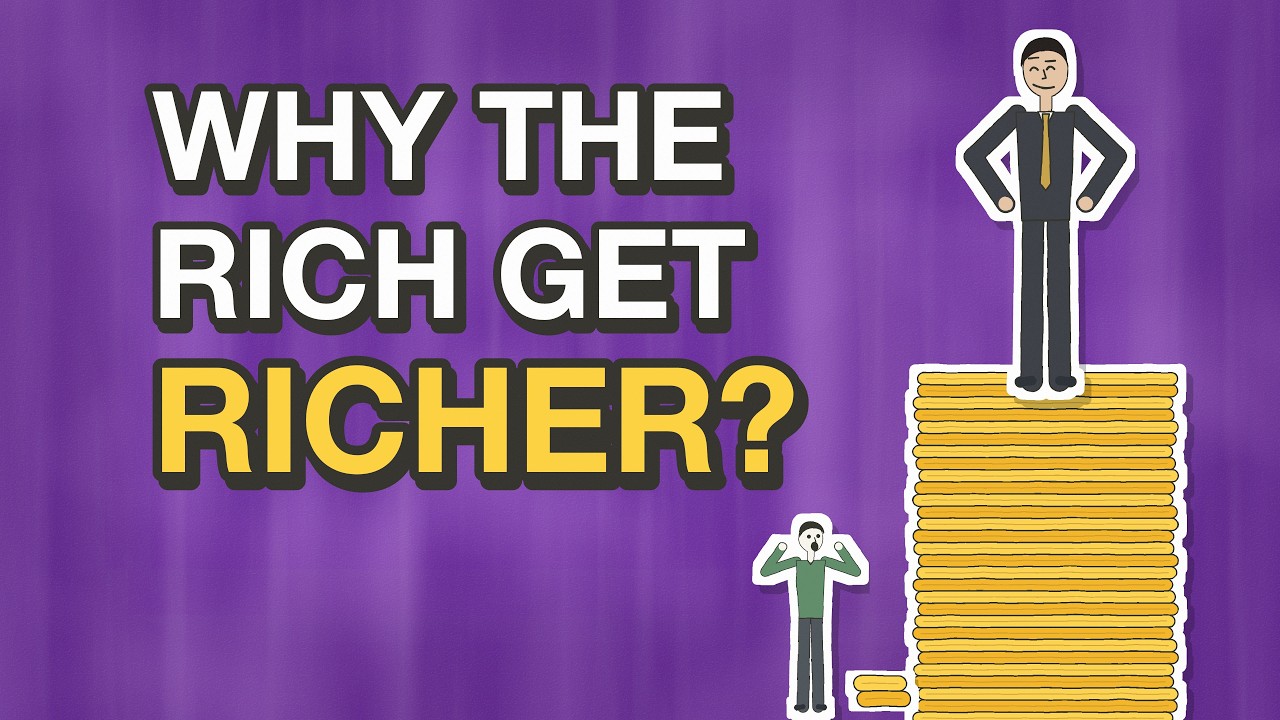
Who benefits from high interest rates? Three winners get paid more when rates go up, and one group pays all of them.
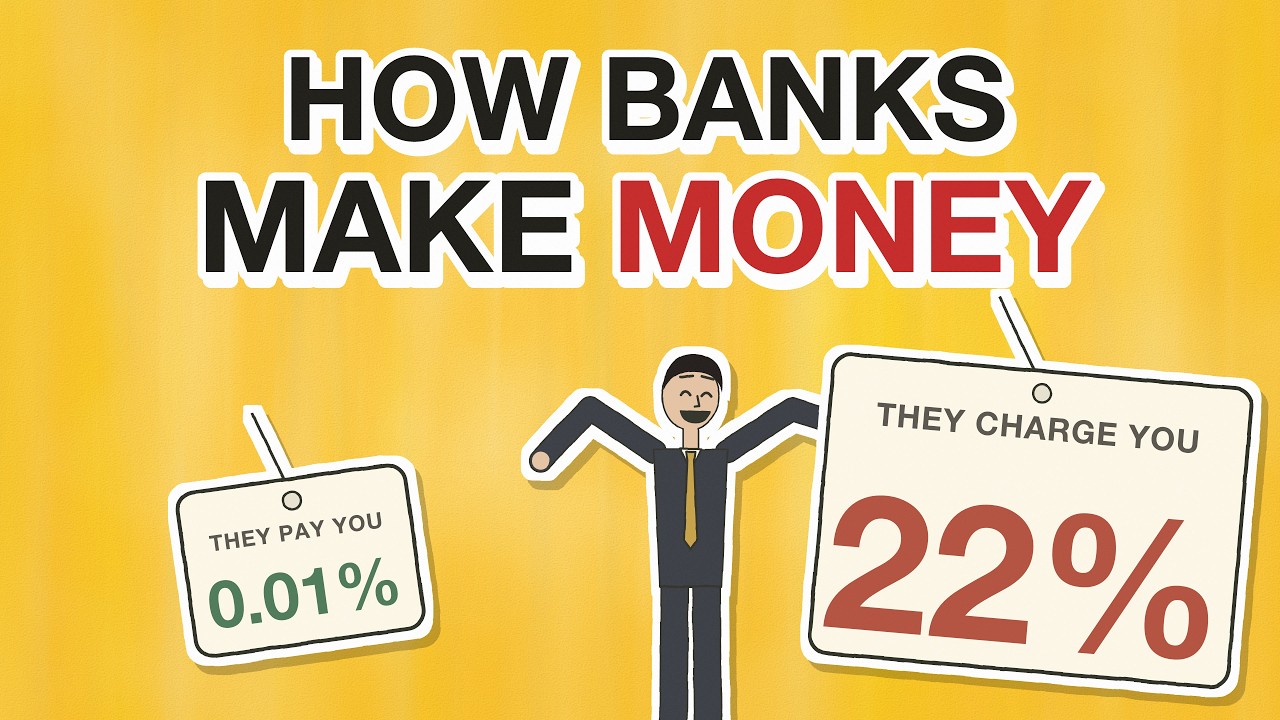
Winner one is the banks. The average savings account paid 0.37% in September 2026 (FDIC), while the average credit card charged about 22% (Federal Reserve, August 2026). From April to June of 2026, American banks made about $90 billion in profit.
Winner two is people with spare cash. Americans hold about $8 trillion in money market funds (October 2026), a kind of savings fund paying about 3.5%. That is over $250 billion a year in interest.
Winner three is anyone who lends to the government. In fiscal year 2026, America paid about $1 trillion in interest, more than it spends on its military. Borrowers pay for all of it: a $400,000 mortgage at 7% costs about $1,000 more a month than at 3%.
Our take: switch sides. Pay off credit card debt first, then put spare cash where it earns over 4%. This video is for education, not personal financial advice.
Every word of the Short
When interest rates rise, somebody gets richer. Here is who. Winner one: banks.
The average savings account pays you less than half of 1%. The average credit card charges you about 22%. From April to June of 2026, American banks made about $90 billion in profit.
Winner two: people with spare cash. Americans hold about $8 trillion in money market funds. These savings funds pay about 3.
5%. That is over $250 billion a year in interest. Winner three: anyone who lends to the government.
In fiscal year 2026, America paid about $1 trillion in interest. That is more than it spends on its military. And who pays?
Borrowers. A $400,000 mortgage at 7% costs about $1,000 more a month than at three. So, who profits from high rates?
Banks, savers with spare cash, and the government's lenders. Borrowers pay all of them. Here is our take.
Switch sides. Pay off card debt first, so that interest stops. Then put spare cash where it earns over 4%.
When rates are high, somebody gets paid. Make sure it is you.