BankToons · Savings
I Bond Rate November 2026: 5.51% Explained
I bond rate November 2026: the Treasury set the new I bond rate at 5.51% for bonds bought from November 1, 2026 through April 30, 2027, with a fixed rate of 1.40% that stays for the life of the bond, the highest fixed rate since November 2006. The average bank savings account pays 0.38% (FDIC, October 2026). On $10,000 that is about $38 a year at the bank against about $551 in an I bond.
The catch: you cannot cash an I bond for 12 months; cash out before 5 years and you lose the last 3 months of interest; the limit is $10,000 in electronic I bonds per person per year, bought only at TreasuryDirect.gov ($25 minimum). Interest is taxed federally but not by your state.
What we'd do: keep your emergency cash somewhere you can reach it, and move money you will not need for a year into I bonds while the 5.51% rate holds. This video is for education, not personal financial advice.
Every word of the Short
Your bank is paying you almost nothing on your savings. Since Sunday, the government pays 14 times as much. The average savings account in America pays 0.
38%. An I bond, a savings bond you buy from the government, now pays 5.51%.
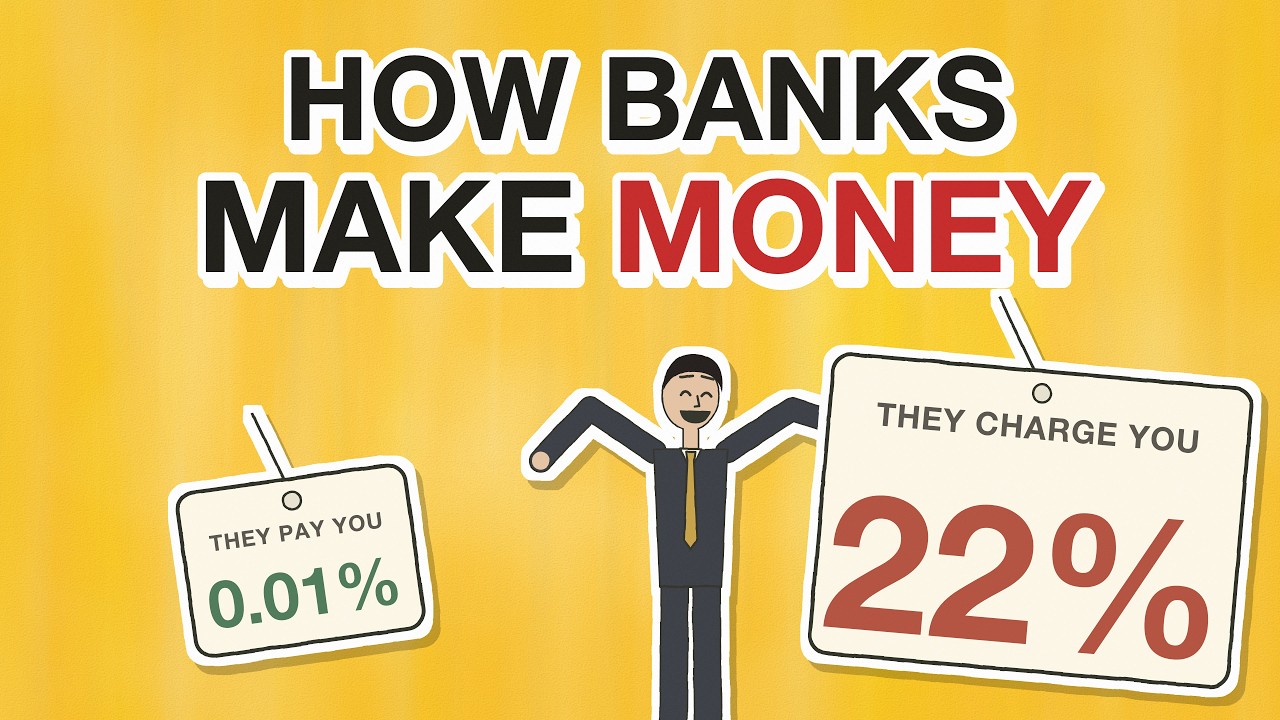
Guaranteed. Same $10,000. Your bank hands you $38 a year.
The I bond hands you 500 and 51. This bugs me. The big banks have had years to raise what they pay you.
They haven't, because most people never move their money. On October thirtieth, the Treasury set the new I bond rate. 5.
51% for anything you buy from November first through April. Part of that is a fixed 1.4% that never changes, the highest since 2006.
The rest rises with inflation. The catch. You cannot touch it for 12 months.
Cash out before five years and you lose the last three months of interest. And the limit is $10,000 a person a year. So do yourself a favor.
Money you will not need for a year? Move it. Go to Treasury Direct dot gov, open an account, buy I bonds.
Keep your emergency cash where you can reach it. Everything else is earning $38 when it could be earning 500 and 50. Your bank is not going to call you about this.
Now you know.