BankToons · Inflation
Prices Are Rising Again: 3 Moves to Make NOW
Prices are rising again. In September of 2026, prices were up 3.7% from a year before, and average pay was up only about 3%. So if you got a 3% raise this year, you can buy a little less than a year ago: in practice, a pay cut. This BankToons explainer gives three moves to win it back. Say you earn $60,000 a year, owe $6,000 on a credit card and have $10,000 in savings.
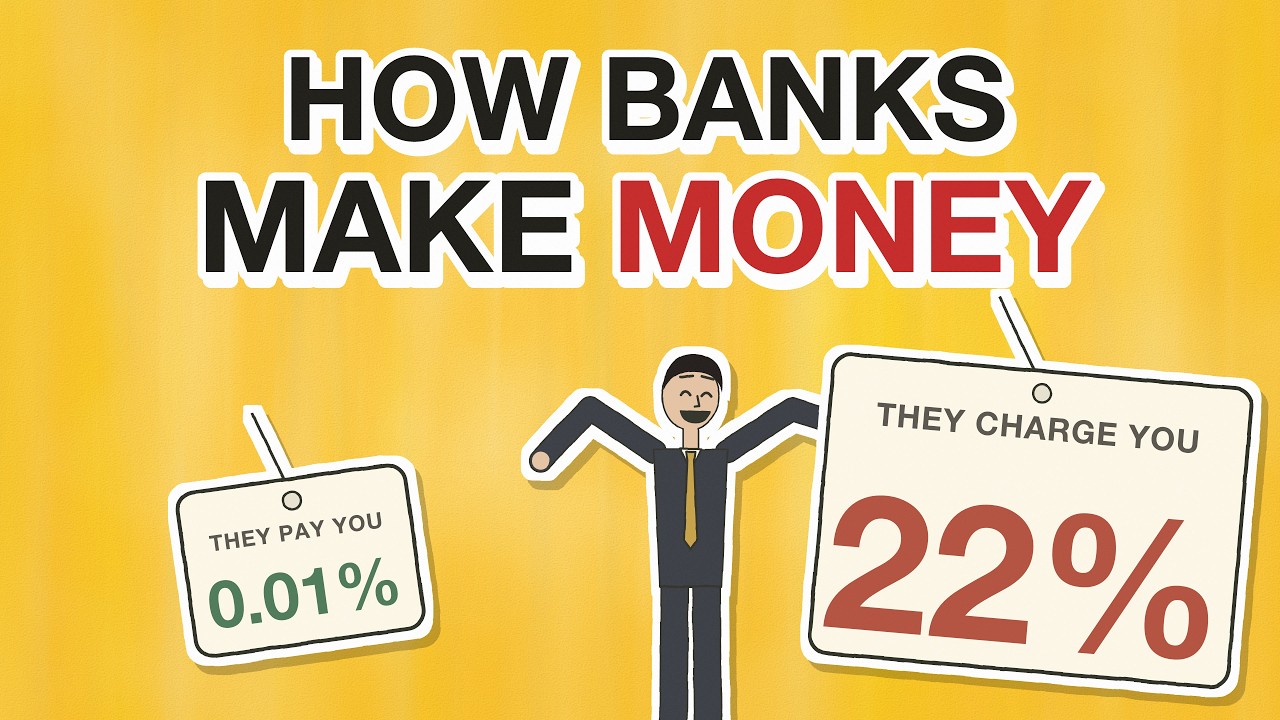
Move one: call your card company. The Federal Reserve sets the base rate every other bank builds on, and on September 16, 2026 it raised that rate for the first time since 2023. Most cards are tied to it, so your card usually follows within a bill or two; the average card already charges about 22% a year, about $1,300 a year on $6,000. You can ask for a lower rate: in a June 2026 survey, more than 8 in 10 people who asked got one, on average about 6 points lower, which keeps about $380 a year in your pocket. Card companies charge high rates partly because some people never pay them back; if you pay on time, you are a customer they want to keep.
Move two: stop your savings from shrinking. The average savings account pays almost nothing, about $38 a year on $10,000. If prices keep rising at 3.7%, a year from now that $10,000 buys about $360 less. Many online banks pay over 4% on the same kind of account, over $400 a year on $10,000, which beats what prices take away. Pick one that says it is FDIC insured, and the government protects your money the same as at a big bank. Moving it takes about twenty minutes.
Move three: ask for a raise that beats prices. When a raise is smaller than the rise in prices, your pay buys less than before. On $60,000, a 3% raise left you about $420 behind, and your next raise is built on the pay you have now, so a small raise keeps you behind for years. Most big companies have set their raise budgets for next year at about the same size, but managers often keep a little room for people who make a clear case: write down what you got done in the past year, ask your boss for a time to talk about pay, and ask for at least 3.7%.
Our take: make the card call first, because it takes ten minutes and is the easiest win; then move your savings, then ask for the raise. This video is for education, not personal financial advice.
Prices are rising again: is your raise a pay cut?
Prices are rising again. And if you got a 3% raise this year, you just took a pay cut. Most people never notice.
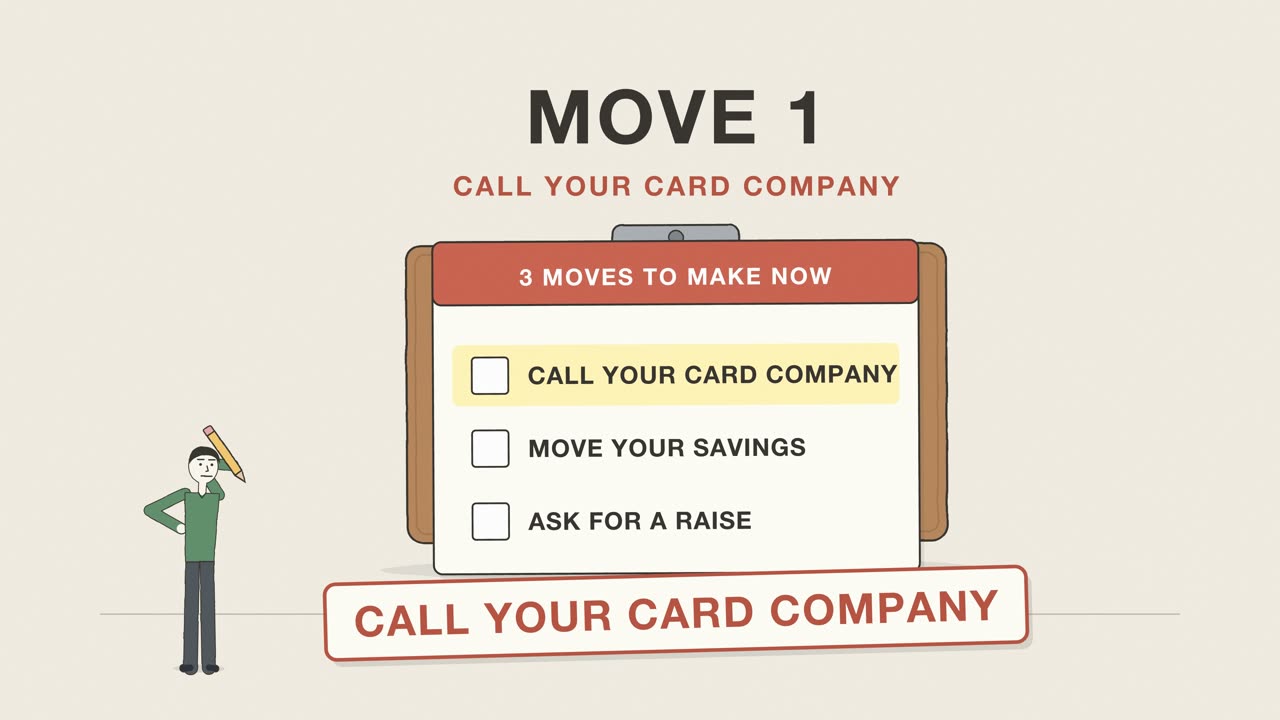
And most never make the 10 minute phone call that can win back about $400 a year. It works for more than eight in 10 people who make it. In the next five minutes, you will get three moves to get your money back, and that call is the first.
Say you earn $60,000 a year. You owe $6,000 on a credit card, and you have $10,000 in savings. Move one.
Call your card company.
Move 1: why your credit card rate is going up
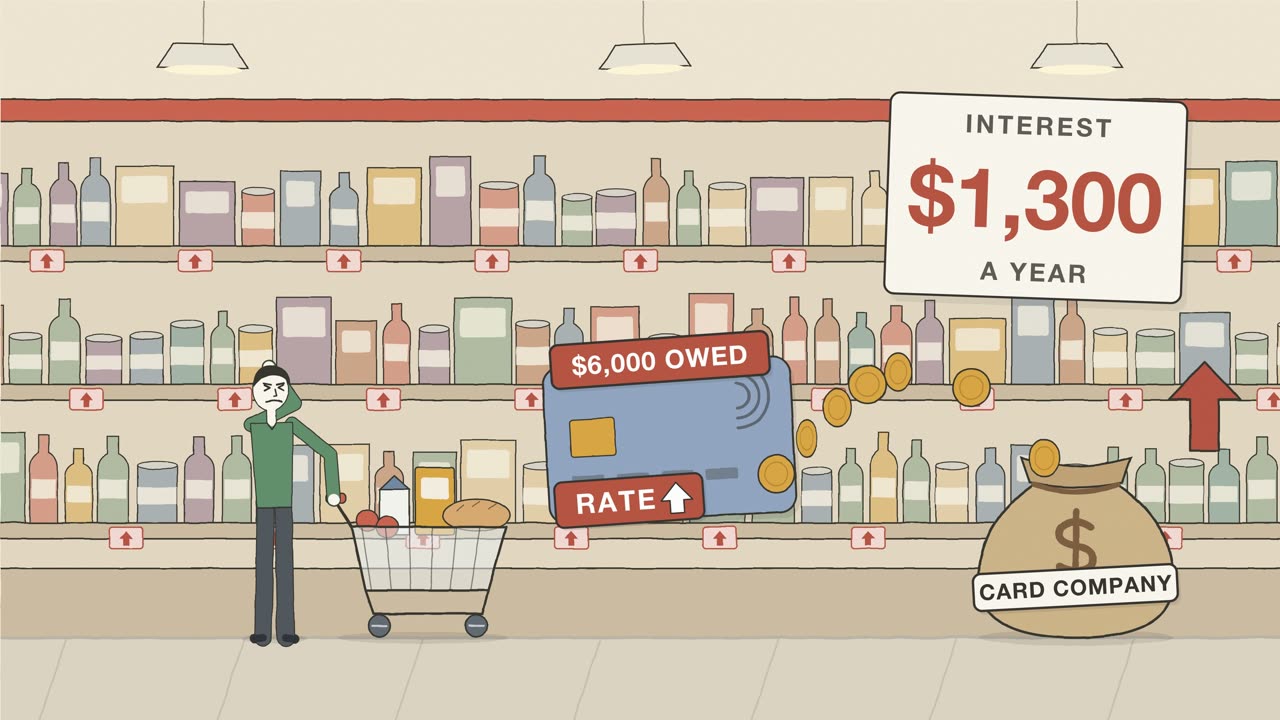
In September of 2026, prices were up 3.7% from a year before. That hits your credit card first.
Your card is already costing you about $1,300 a year in interest. And it just got a little worse.
How the Fed rate hike raises your card rate
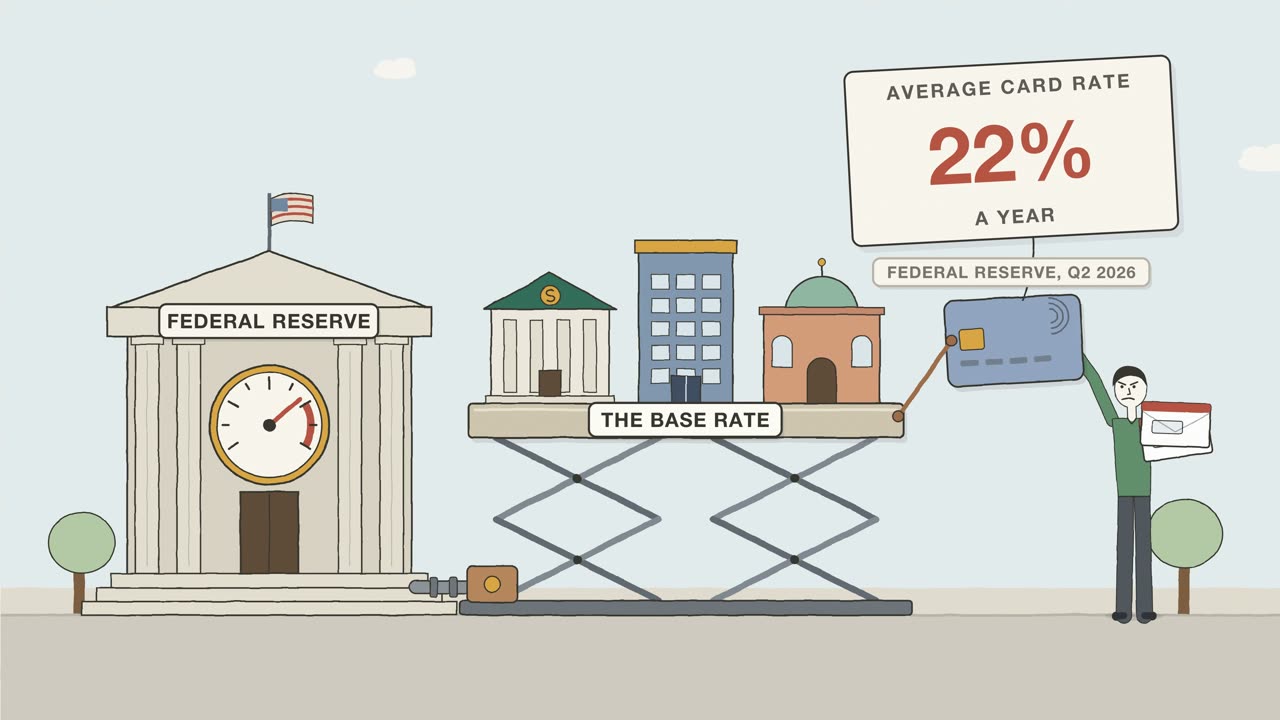
The Federal Reserve is the bank that sets the rate every other bank builds on. When prices rise too fast, it raises that rate. On September sixteenth, it did, for the first time since 2023.
Most cards are tied to that rate. When it goes up, your card usually follows within a bill or two. The average card already charges about 22% a year.
How to ask for a lower credit card rate
Here is that phone call. You can ask for a lower rate. In a survey in June of 2026, more than eight in 10 people who asked got one.
On average, their rate dropped about six points. On your $6,000, that keeps about $380 a year in your pocket. Card companies charge high rates partly because some people never pay them back.
If you pay on time, you are a customer they want to keep. Here is your first move. This week, call the number on the back of your card.
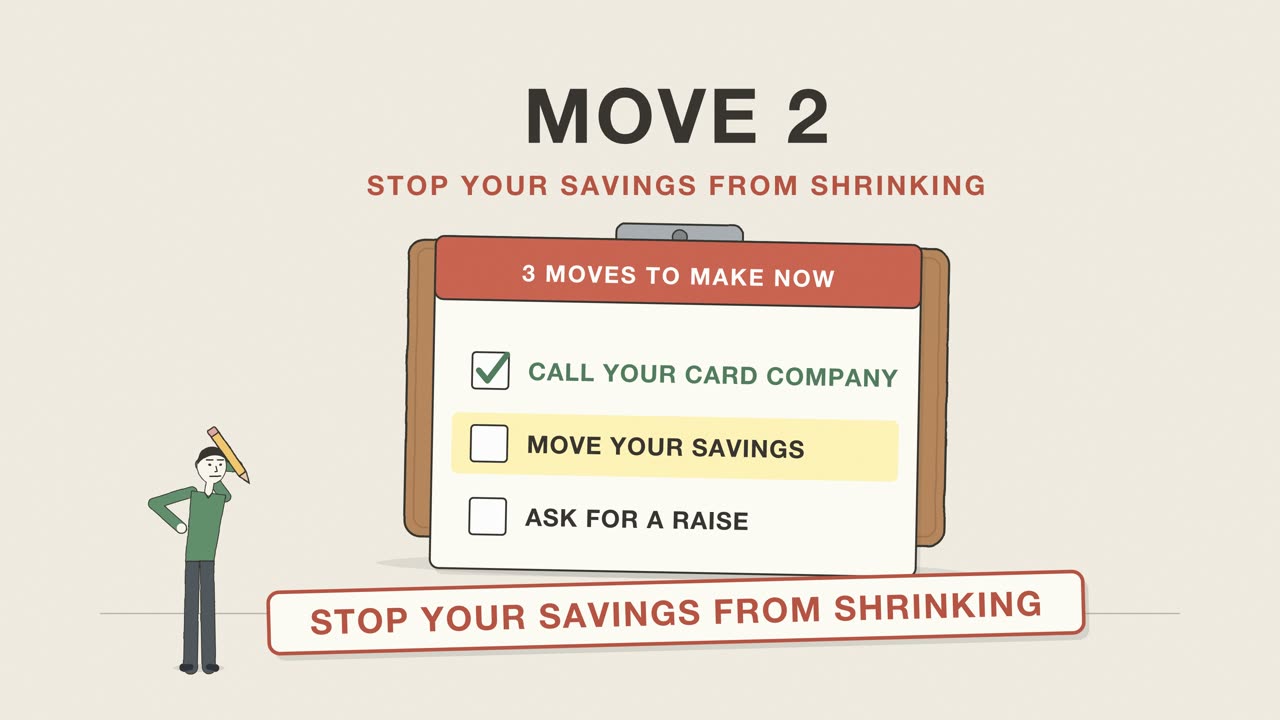
Say that rates are going up, and ask for a lower one. Move two. Stop your savings from shrinking.
Move 2: how inflation shrinks your savings
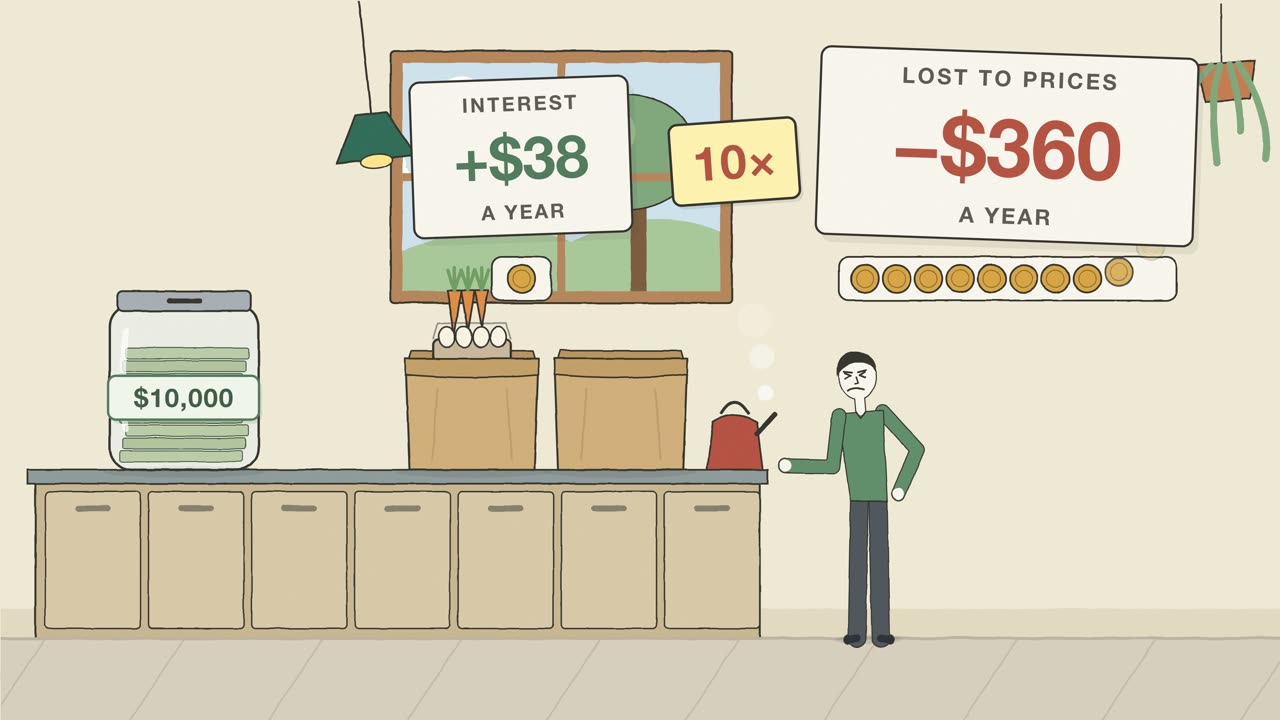
Your savings are losing value right now, even if the balance never goes down. The average savings account pays almost nothing. On your $10,000, the bank adds about $38 a year.
But prices are rising much faster. If they keep it up, a year from now your $10,000 will buy about $360 less. You gain $38, and you lose about 10 times that.
High yield savings accounts: over 4%
Here is the fix. Many online banks pay over 4% on the same kind of account. On $10,000, that is over $400 a year.
That beats what prices take away. Pick one that says it is FDIC insured. Then the government protects your money, the same as at a big bank.
Here is your second move. This week, move your emergency cash, the $10,000, to one of those banks. It takes about 20 minutes.
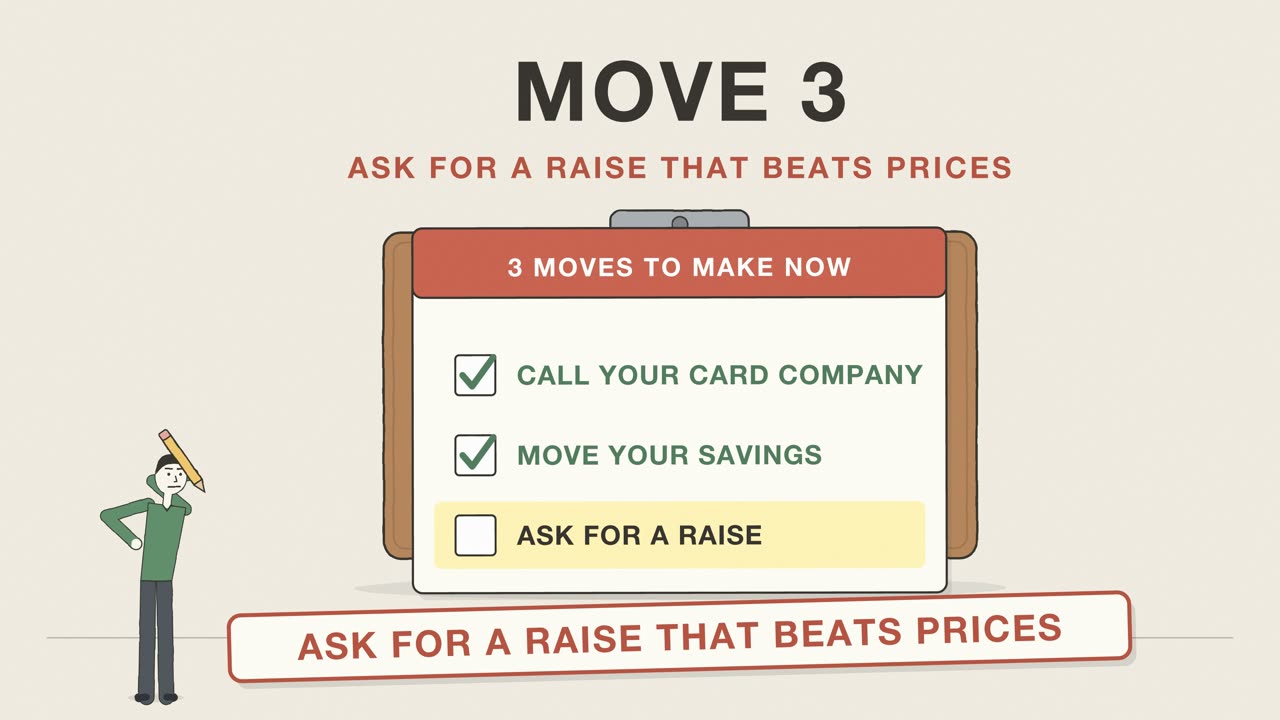
Move three. Ask for a raise that beats prices.
Move 3: why a 3% raise is a pay cut
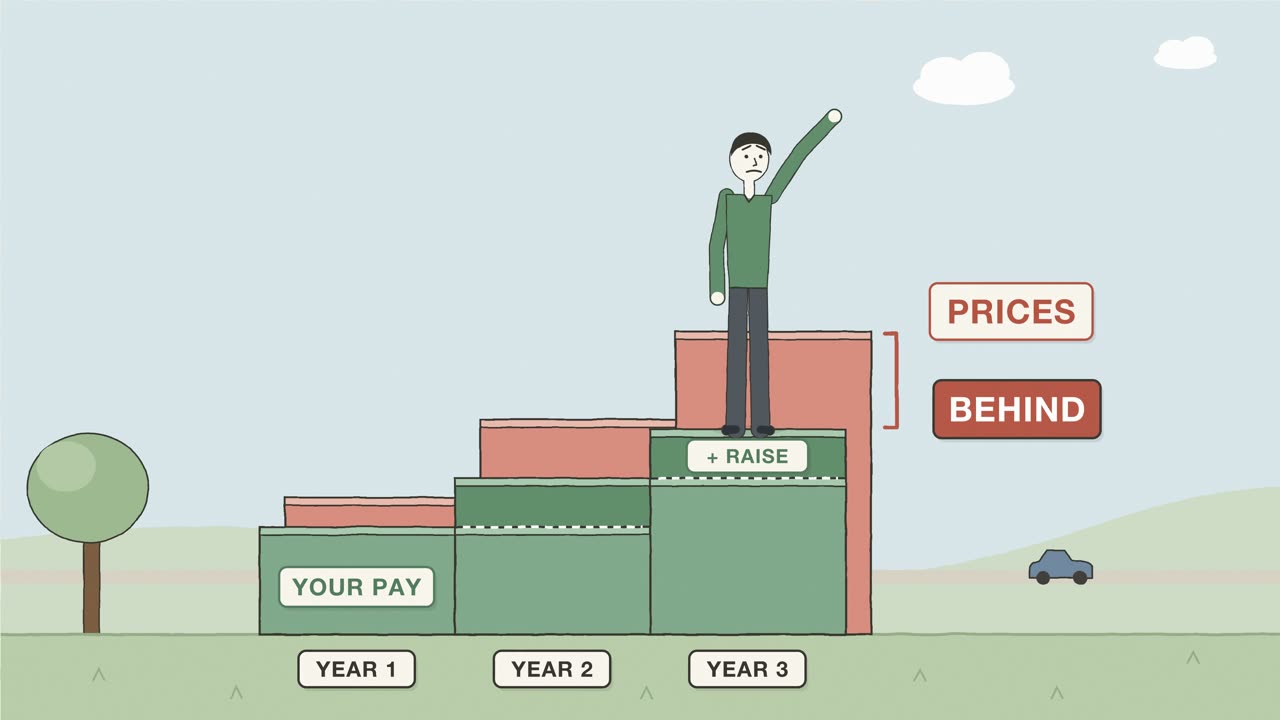
Now, the pay cut. How can a raise make you poorer? When your raise is smaller than the rise in prices, your pay buys less than before.
Your check got bigger, but it buys less. On $60,000, a 3% raise left you about $420 behind. And it does not stop there.
Your next raise is built on the pay you have now. So a small raise now keeps you behind for years.
How to ask for a raise at work
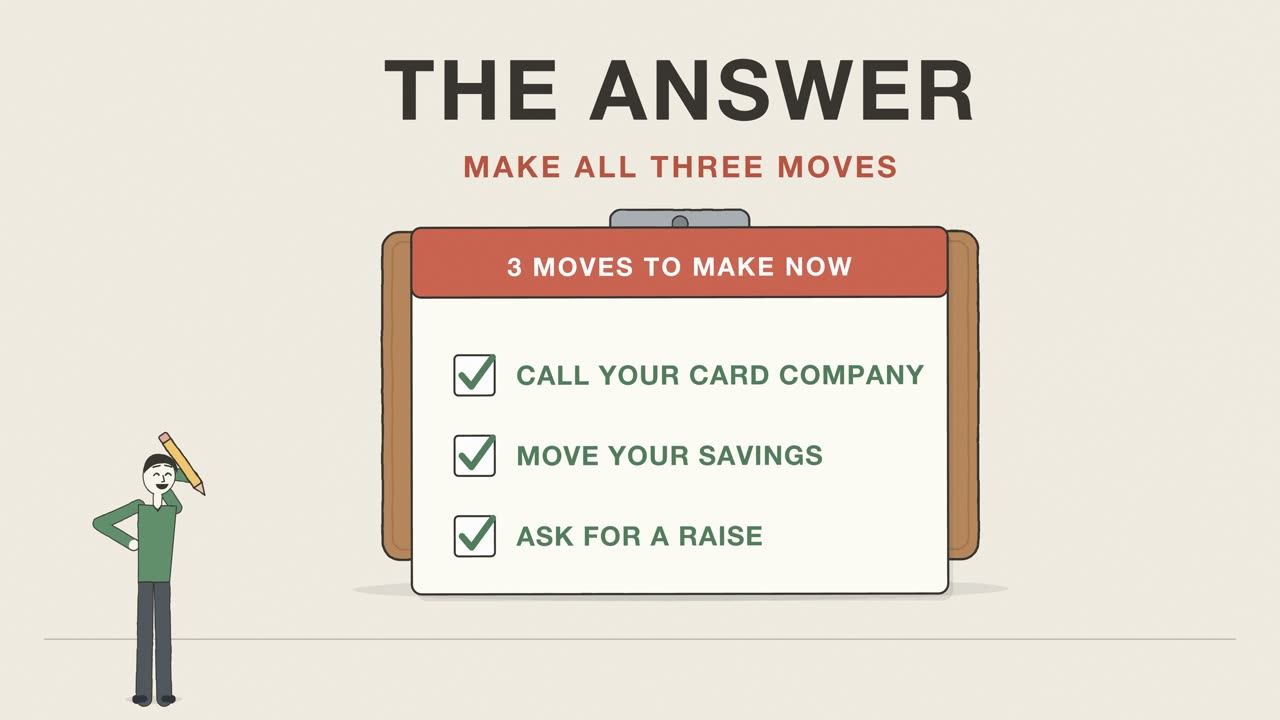
Most big companies have already set their raise budgets for next year, at about the same size. But managers often keep a little room for people who make a clear case. Here is how to ask so your boss can say yes.
Here is your third move. This week, write down what you got done in the past year. Then ask your boss for a time to talk about pay.
Ask for at least 3.7%. That is the raise that keeps you even.
So, can you keep up with rising prices?
Our take: which move to make first
Yes, if you make all three moves. Here is what we think you should do. Make the card call first.
It takes 10 minutes, and it is the easiest win. Then move your savings, and then ask for the raise. And if someone you love carries a card balance, one phone call can save them hundreds of dollars.
Prices may keep rising. Make these three moves, and your money keeps up.