BankToons · Housing
Rent vs Buy a Home: Which Is Better?
Should I rent or buy a home? Two neighbors, Rosa and Ben, earn the same pay and have $50,000 saved each in October 2026. Ben buys a $400,000 house. Rosa rents the same kind of house next door and invests every dollar she does not spend on housing. Thirty years later, Ben is a little ahead, but Rosa was winning for most of those years.
Round 1, move-in day: Ben puts $40,000 down (10%, about what a typical first-time buyer puts down) and pays about $10,000 in closing costs. With the mortgage, property tax, insurance, repairs and mortgage insurance, owning costs about $3,550 a month. A house just like it rents for $2,300, so Rosa invests the difference, about $1,250 a month.
Round 2, the job offer: after five years they are dead even, about $153,000 each. Selling a house costs about 6% of the price, mostly agents' fees, so if Ben sells, about $30,000 comes out of his share. Round 3, the rent hike: Rosa's rent goes up a bit over 3% a year while Ben's mortgage payment stays fixed, and around year 17 Ben pulls ahead. Round 4, the last payment: after 30 years Ben has about $1.35 million and Rosa about $1.27 million, in future dollars.
What decides the race: Rosa only wins her rounds if she invests the difference every month; if she spends it, Ben ends up almost $1 million ahead. The mortgage rate matters too: Ben's loan is at 7.4%, the average rate in early October 2026. At 6.3%, the rate a year earlier, Ben passes Rosa in year 7 instead of year 17. And if Rosa's fund grows 8% a year instead of 7%, she stays ahead for all 30 years. These are assumptions, not promises.
Three questions many people use: How long will you stay? (Under about five years, renting almost always wins.) What is the whole monthly cost? If you rent, will you really invest the difference? Our take: rent is not throwing money away. If you will stay well over ten years and the whole monthly cost fits, buying is a solid bet. If a move is likely soon, keep renting and invest on payday. Either way, keep cash aside for surprises.
Should you rent or buy a home?
Should you rent or buy a home? Two neighbors are about to find out. In October of 2026, Rosa and Ben earn the same pay.
Each one has $50,000 saved. They look at the same kind of house, for $400,000. Ben buys one.
Rosa rents the one next door. And every dollar Rosa does not spend on her home, she invests. 30 years later, Ben is ahead.
But only by a little. And for most of those years, Rosa was winning. So what happened?
And which one of them are you?
Round 1: the real cost of buying a house
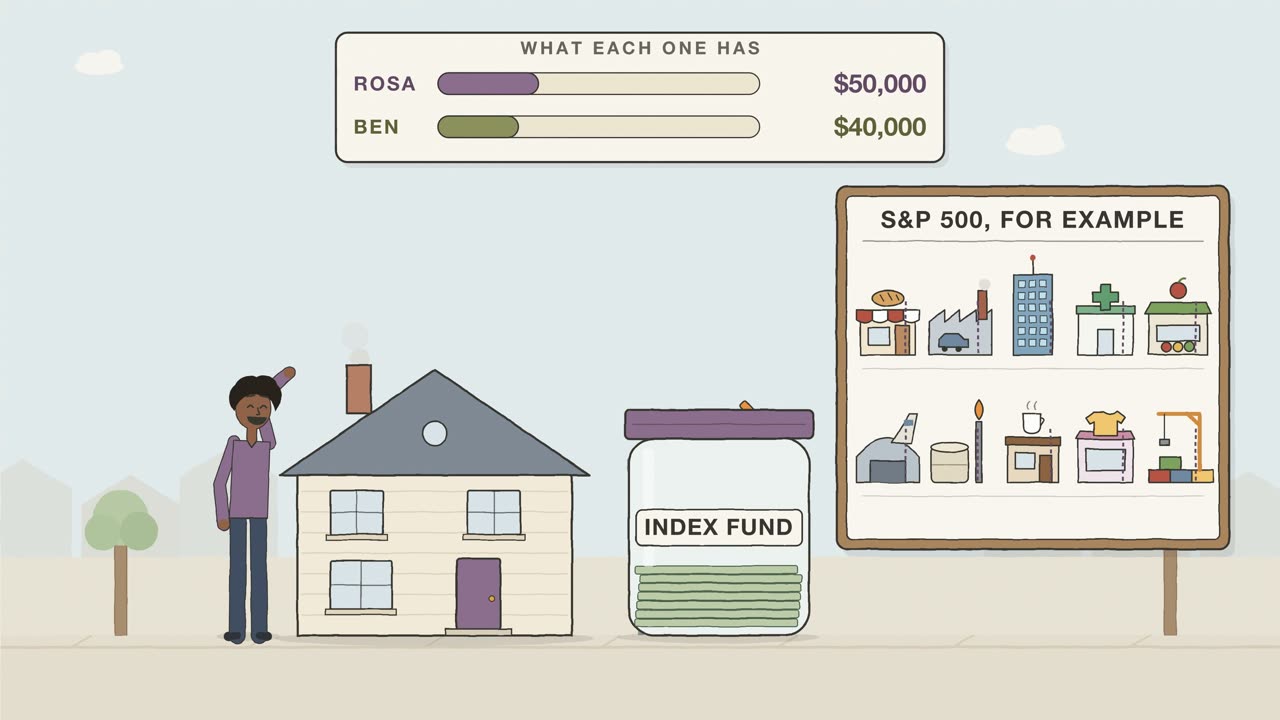
Round one. Move-in day. Ben's $50,000 goes first.
40,000 is the down payment, the part of the price you pay yourself. That is 10%, about what a typical first time buyer puts down. The other 10,000 is closing costs, the fees that make the sale official.
The bank lends Ben the rest. That loan is called a mortgage. Rosa pays a deposit and her first month of rent from her paycheck.
Her $50,000 goes into an index fund. An index fund is a fund that owns a slice of every company on a list.
Renting vs owning a home: the monthly cost
Now the monthly bills. The mortgage is not the whole cost. Ben also pays property tax, insurance, and repairs.
With only 10% down, the bank makes Ben buy mortgage insurance. If Ben ever stopped paying, it would pay the bank, not Ben. All together, about $3,550 a month.
If you are shopping for a home, add all of those before you say yes. Rosa rents a house just like it for $2,300. So every month, Rosa invests the difference.
That is about $1,250. Round one goes to Rosa. Buying costs a lot up front.
Round 2: what if you sell after 5 years?
Round two. The job offer. Five years go by.
Ben's house is now worth about $494,000. Take away what he still owes the bank. What is left is Ben's share, the part of the house he really owns.
That is about 153,000. Rosa's fund holds almost exactly the same. Dead even.
Then a twist. Ben gets a job offer in another city. To take it, he has to sell.
Selling a house costs about 6% of the price, all in. Most of that pays the agents. The rest covers the fees to close the sale.
For Ben, that is about $30,000. It comes straight out of his share. So Ben would walk away with about $124,000.
Rosa still has about 154,000. And Rosa can move with a month's notice. Round two goes to Rosa.
Selling eats the early years. If you might move in the next few years, you are probably Rosa.
Round 3: rent goes up, the mortgage does not
Round three. The rent hike. Ben turns the job down, and stays.
Then something quiet starts to happen. Every year, Rosa's rent goes up, a bit over 3%. Ben's mortgage payment never changes.
It is fixed for 30 years. His taxes and insurance creep up, but his biggest bill stays frozen. So the money Rosa invests shrinks every year.
By year 10, it is about $750 a month. By year 17, about 400. And around year 17, Ben pulls ahead.
The lead changes hands. Ben wins round three. A fixed payment stays put while rent climbs.
If your landlord has raised your rent while you lived there, you have seen this round play out.
Round 4: the last mortgage payment
Round four. The last payment. 30 years in, Ben makes his last mortgage payment.
The house is all his. It is now worth about $1.4 million.
Even after the cost of selling it, Ben has about 1.35 million. Rosa has about 1.
27 million. Ben is about $70,000 ahead. These are future dollars, so a million will buy a lot less by then.
And from here, he pulls away. From now on, Ben only pays taxes, insurance and repairs. That comes to about $3,000 a month.
Rosa's rent is about 6,000. Round four goes to Ben. A paid off house is cheap to live in.
If you plan to stay in one home into retirement, you are Ben. That is two rounds each.
Is renting a waste of money? The tiebreaker
The tiebreaker. Rosa's habit. Every round Rosa won, she won the same way.
She invested the difference. Every month, for 30 years, without missing once. Now say Rosa spends it instead.
A nicer car, a few more dinners out. She still keeps her first 50,000 invested. Then Ben ends up almost $1 million ahead.
That is the hidden strength of buying. A mortgage is a savings plan you cannot skip. In 2025, the typical homeowner was worth about $460,000.
The typical renter, about 11,000. Owners tend to be older, and earn more. But many economists think forced saving is part of it.
So if you rent, be honest with yourself. Does the difference get invested? Or does it just disappear?
Should I buy a house now or wait? The mortgage rate
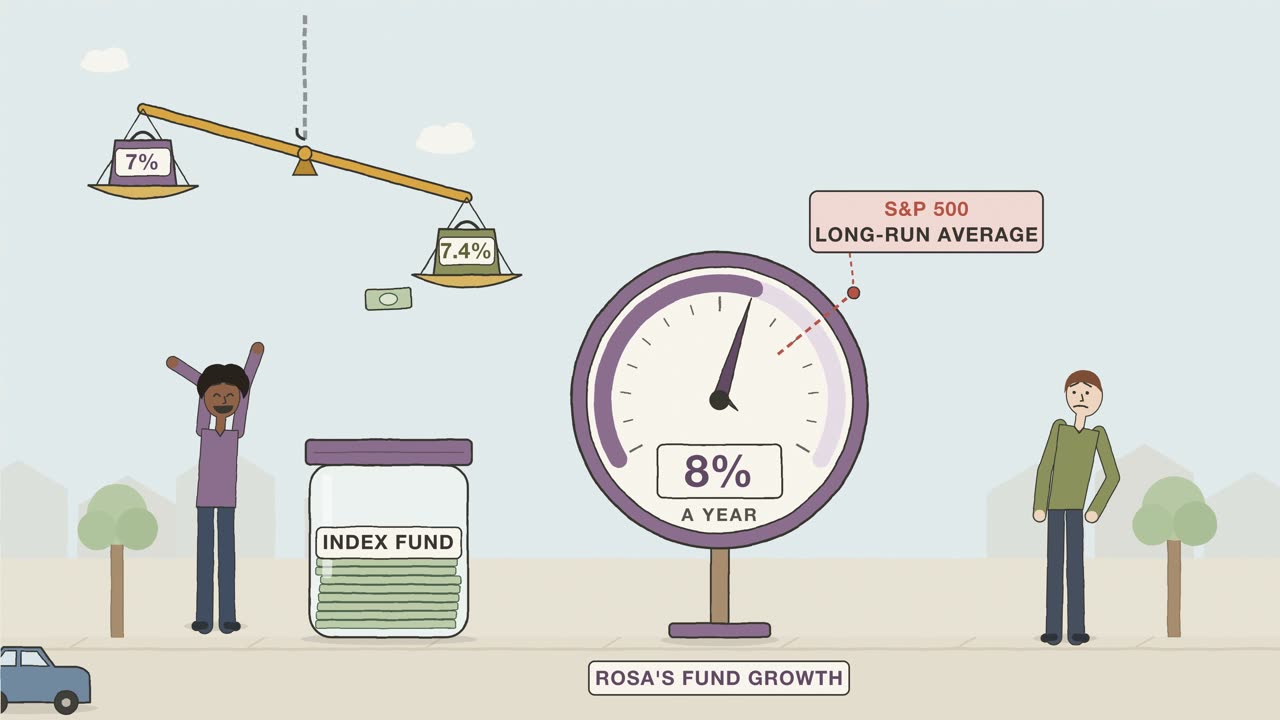
So who won? That depends on two more numbers. The first is Ben's interest rate, what the bank charges to lend the money.
His loan costs 7.4% a year. That was the average rate in early October of 2026, the highest since late 2023.
A year earlier, rates were about 6.3%. At that rate, Ben's payment is about $265 a month lower.
And Ben passes Rosa in year seven, not year 17. Same house. Same rent.
The rate moved the finish line by 10 years. If you are buying while rates are high, your finish line moves further out too. The second number is how fast Rosa's fund grows.
In our story, it grows 7% a year. That is a careful guess, below the stock market's long-run average. Make it 1% faster, and Rosa stays ahead for all 30 years.
Small numbers swing this race.
Pros and cons of renting vs buying
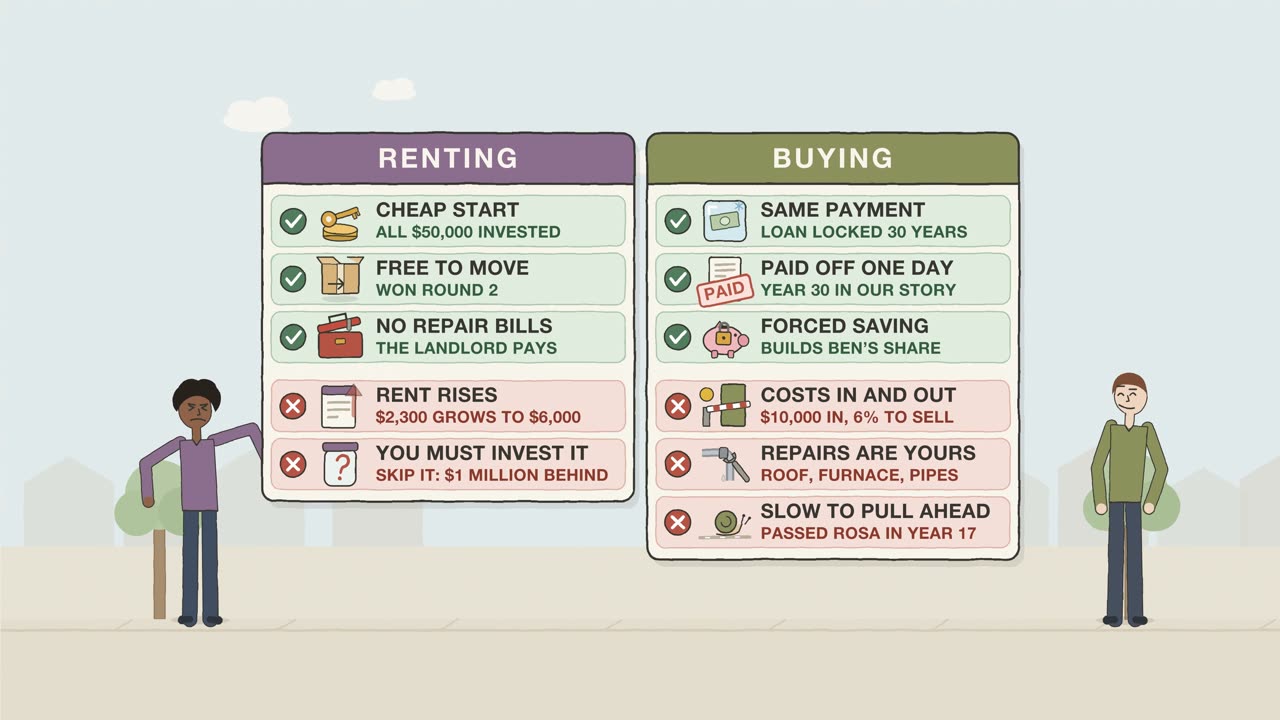
Here is the score, in plain words. Buying. The good part is a payment that stays the same, and a home that is paid off one day.
Plus saving you cannot skip. The bad part is big costs to get in and to get out. Every repair is yours.
And it can take many years to pull ahead. Renting. The good part is a cheap start, the freedom to move, and no repair bills.
The bad part is rent that rises every year, and you have to invest the difference yourself.
Is it better to rent or buy a house? 3 questions
Here is a strategy many people recommend. It has three questions. Question one.
How long will you stay? That is round two. Under about five years, renting almost always wins.
With rates as high as Ben's, it can take much longer. In our story, it took 17 years. Question two.
What is the whole monthly cost? That is round one. Add the mortgage, taxes, insurance and repairs.
Add mortgage insurance too, if you put down less than 20%. Plan on about 1% of the price every year for repairs. Then compare that to rent.
Question three. If you rent, will you really invest the difference? That is the tiebreaker.
Set it to move on payday, so you never see it.
Rent vs buy a home: the answer
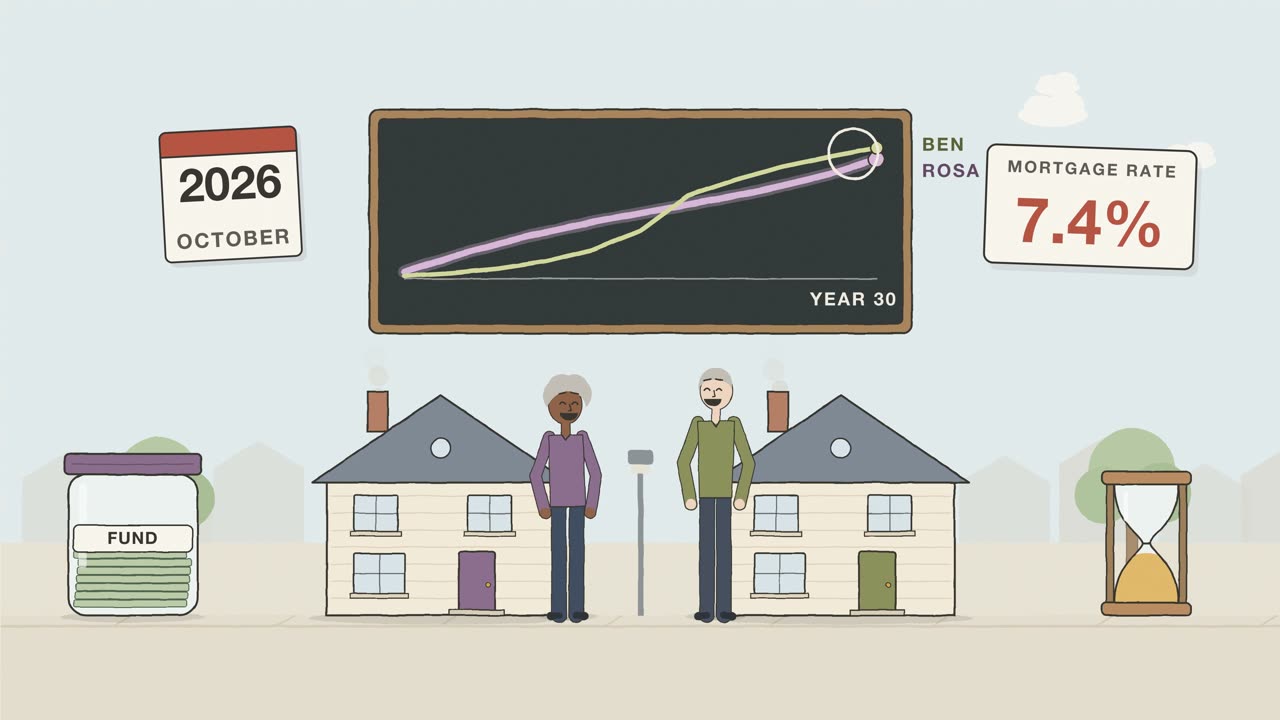
So, should you rent or buy a home? It depends on time, and on habits. Stay long enough, and buying usually pulls ahead.
The payment stays put while rent climbs, and the house grows in value. Move soon, and renting comes out ahead. And renting only wins if the money you save gets invested.
At the rates of October 2026, the race is close.
Our take
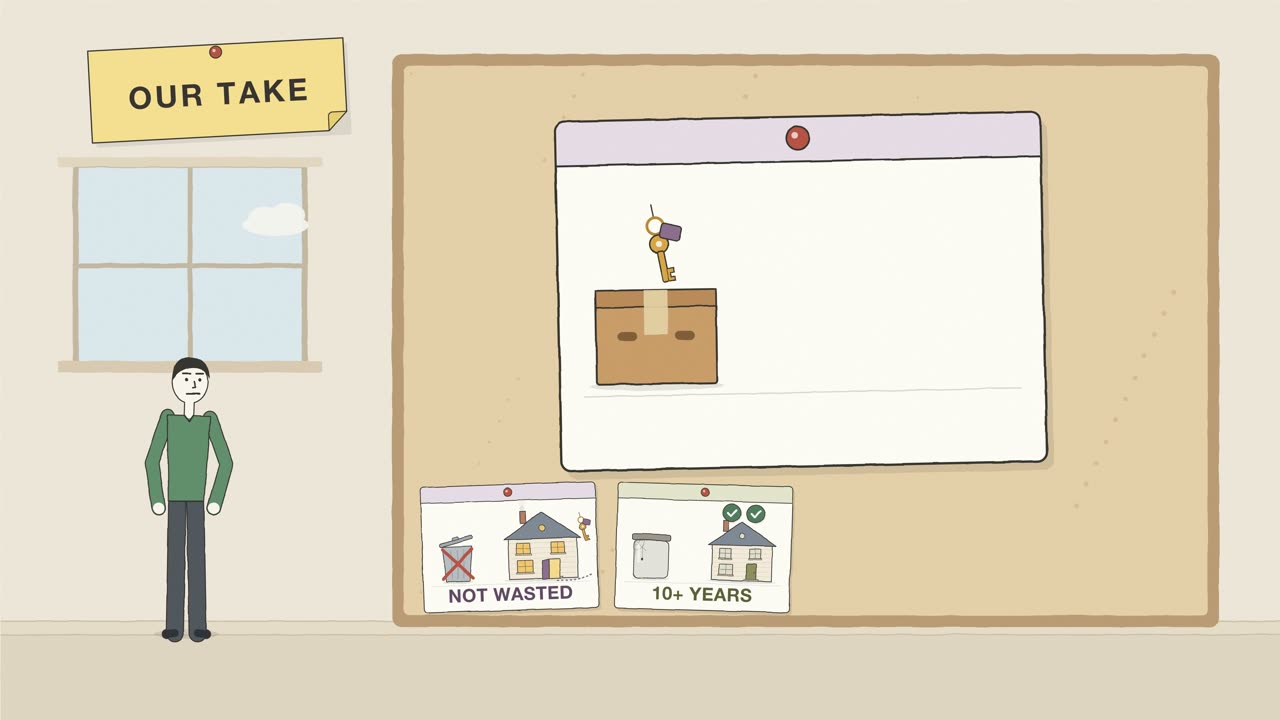
Here is our take. Rent is not throwing money away. It pays for a place to live, and the freedom to leave.
If you will stay well over 10 years, and the whole monthly cost fits, buying is a solid bet. That goes double if you would not invest the difference anyway. If a move is likely soon, keep renting, and let payday fund your investments first.
Either way, keep cash aside for surprises. Ben bought a house. Rosa bought freedom.
Both of them won by saving, every single month.