BankToons · Banking
Why Banks Want You Broke: How Banks Make Money
Why do banks want you broke? In this BankToons explainer, the bank's side comes first. People in the credit card business have a nickname for a customer who pays the whole bill every month: a deadbeat. The customer they like is the one who carries a balance and sometimes runs short before payday. From that customer a bank can make about $2,030 a year; from the one who pays in full and never runs short, about $330. A bank is a business, with workers, rent and owners who expect a profit. Here is its playbook, in four moves.
Move one: pay you almost nothing. At the biggest banks, $10,000 in savings earns about one dollar a year, while the bank lends that money out and charges interest. When rates rose in 2022, what banks charged on cards jumped from about 16% to over 23%; what they paid savers barely moved. In 2024 JPMorgan Chase made a record $58 billion. In the first half of 2026 American banks made about $170 billion and paid about $150 billion to their owners, who may include you through a retirement fund. Online banks pay 4% or more; the same $10,000 earns about $400 a year there.
Move two: let you carry a balance. In 1958 Bank of America mailed 60,000 credit cards to people in Fresno, California, who never asked for them; the card grew into Visa. After a 1978 Supreme Court ruling, Citibank moved its card business to South Dakota, which dropped its interest limit. In August 2026 card companies charged about 22% a year, about $120 a month on the average balance. Swipe fees go mostly to the bank that issued the card, but on a rewards card much of that comes back to the customer, which is why a deadbeat earns the bank very little.
Move three: make the minimum look small. A consultant, Andrew Kahr, told PBS he convinced a major card company to cut the minimum from about 5% to 2%. On the average balance the minimum is about $186; paying only that takes about 19 years and costs more in interest than was borrowed. Paying $300 a month clears it in under two and a half years. Move four: charge you for being short. The average overdraft fee is about $27. Mario Livieri told the Senate in 2009 that being $2.17 short grew into $140 in fees. A judge ruled in 2010 that Wells Fargo ordered purchases biggest first to multiply fees; it paid back $203 million. Banks need your yes to charge overdraft fees on debit card purchases, and you can say no.
The twist: a customer who truly cannot pay costs the bank, so what banks want is a customer who is almost broke. Three steps many people recommend: pay your card in full every month (or a set amount well above the minimum), move savings to an insured high yield account, and say no to overdraft on your debit card with a low balance alert. Our take: banks are not villains, they are businesses, and the less the bank makes from you, the more you keep.
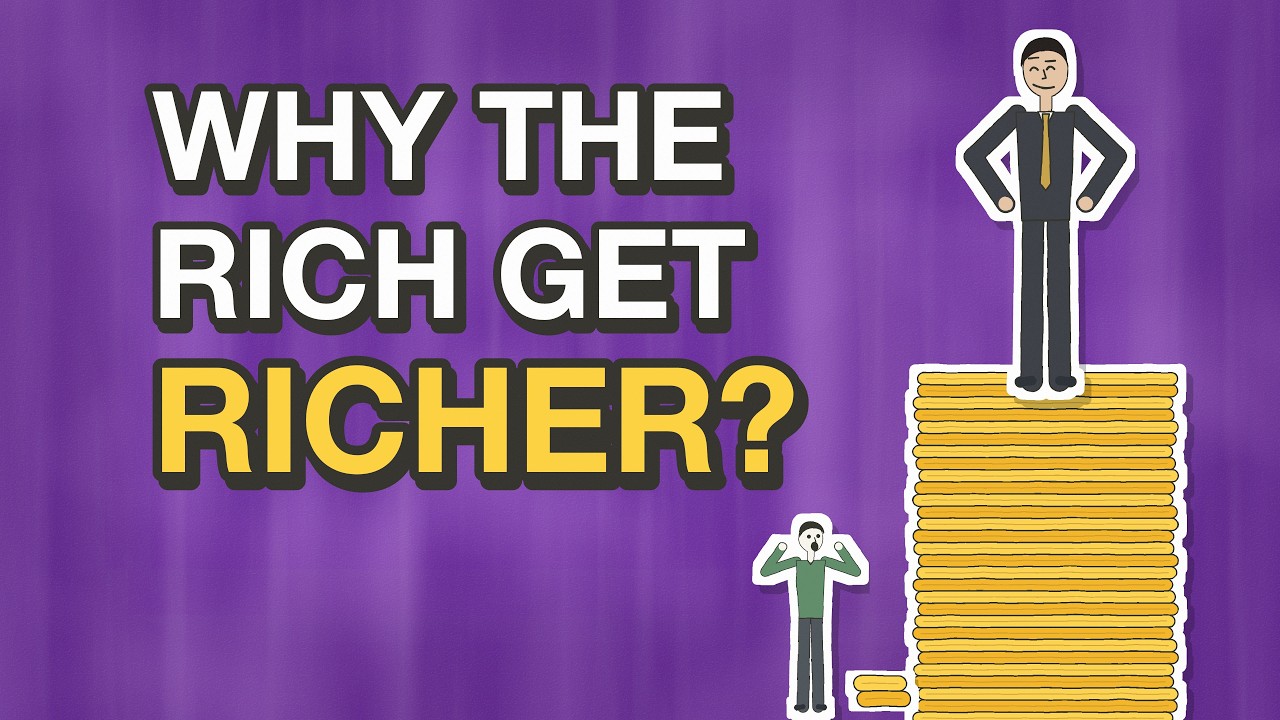
Why do banks want you broke?
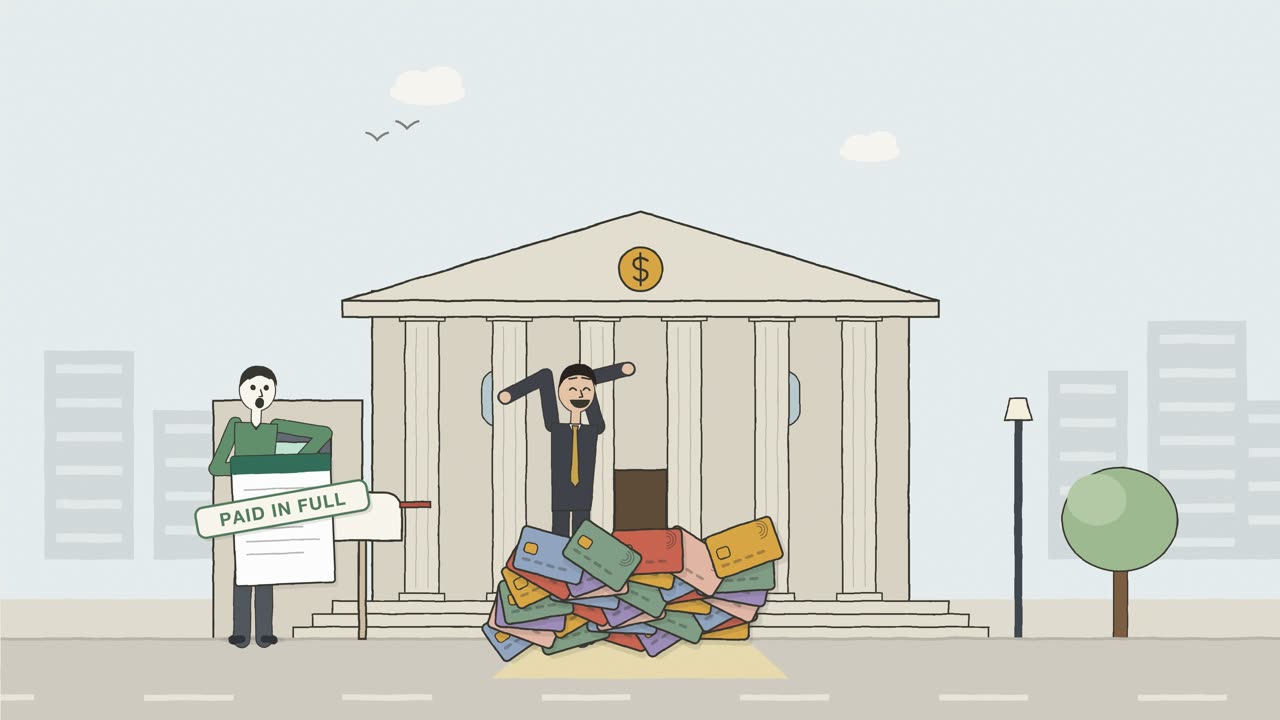
Some people in the credit card business have a nickname for a customer who pays the whole bill every month. They call that person a deadbeat. So who is a bank's favorite customer?
In 2004, a leader of the biggest bankers' group in America told PBS. People who carry a balance on their cards are, in his words, "kind of the sweet spot". In mid 2026, Americans owed about $1.
26 trillion on their credit cards. For banks, that debt is not just a risk. It is the business.
How banks make money from you
Now think about your own credit card. Say you pay only part of the bill each month. The rest stays on the card, and you pay interest on it.
And say your bank account sometimes runs out before payday. Then the bank can make about $2,000 a year from you. Now say you pay the whole card bill every month, and your account never runs out.
Then the bank makes about $330 a year from you. It is the same bank, and it makes about six times as much from the first customer. A bank is a business, like any store.
It has workers and rent to pay, and owners who expect a profit. Here is its playbook, from the bank's side. Four moves.
Watch which moves the bank uses on you. Move one. Pay you almost nothing.
Move 1: why your savings account pays almost nothing
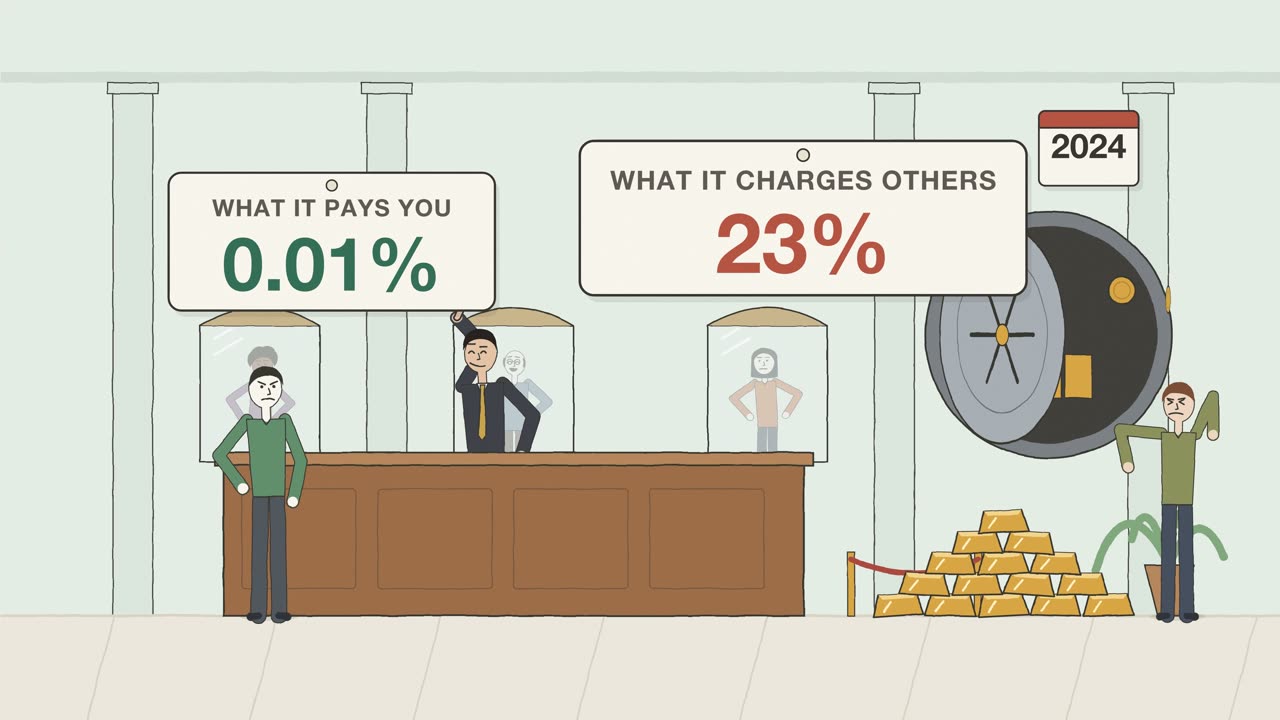
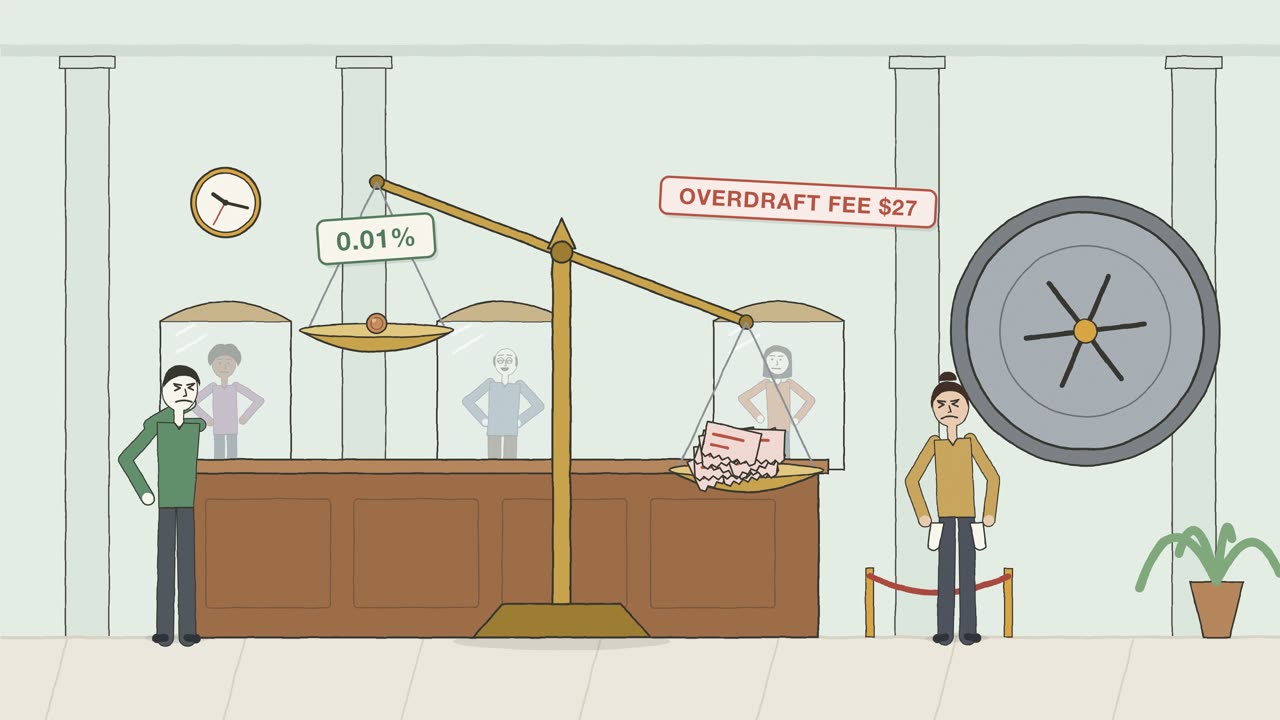
At the biggest banks, a savings account pays almost nothing. Put in $10,000. A year later, the bank pays you $1.
One. Meanwhile, the bank lends your money to other people, and charges them interest. So a bank has two prices.
What it pays you, and what it charges others. In 2022, interest rates went up fast. What the bank charges on cards jumped from about 16% to over 23.
What it pays you barely moved.
How much banks make, and who gets it
In 2024, JPMorgan Chase made a record $58 billion in profit, from all its businesses. It is the biggest bank in America. Where does a profit like that go?
To the owners. In the first half of 2026, American banks made about $170 billion in profit. They paid about 150 billion of it out to their owners.
Here is the owners' side. For every $100 they have in their banks, they earned about $13 a year. Your savings at a big bank earns about one cent on $100.
Owners do take a risk you do not. Your savings is insured by the government, up to $250,000. Their money is not.
And who are the owners? Maybe you. If you have a retirement fund that follows the stock market, you likely own a tiny slice of a bank.
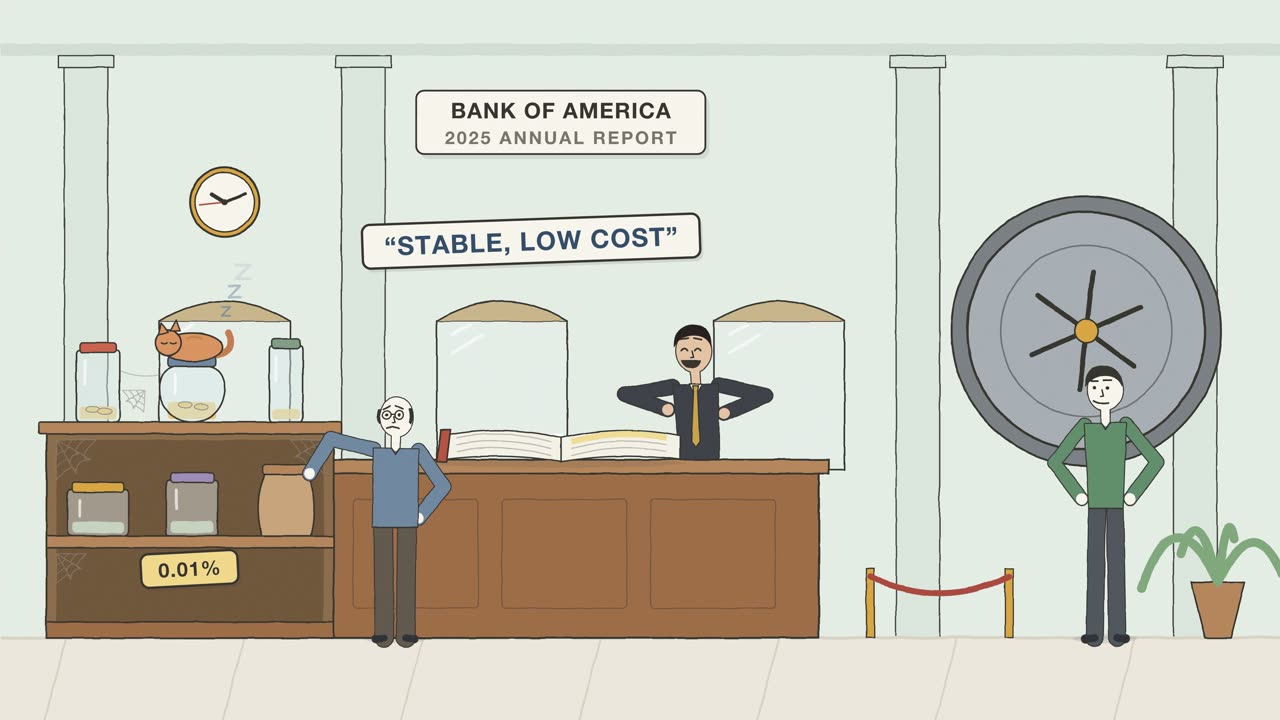
So why do people leave their money at one cent? Bank of America says it in its own yearly report. It calls the money people keep there a "stable, low cost" source of money.
In plain words, most people leave it where it is.
High yield savings accounts vs big banks
But not every bank played it that way. Capital One passed much of the rate rise on to its savers. And many online banks began offering 4% or more.
People call those high yield accounts. Yield just means what the account pays you. That same $10,000 earns about $400 a year there.
Tonight, open your bank app and find your savings rate. If it starts with 0.0, the bank is earning on your money, and you are not.
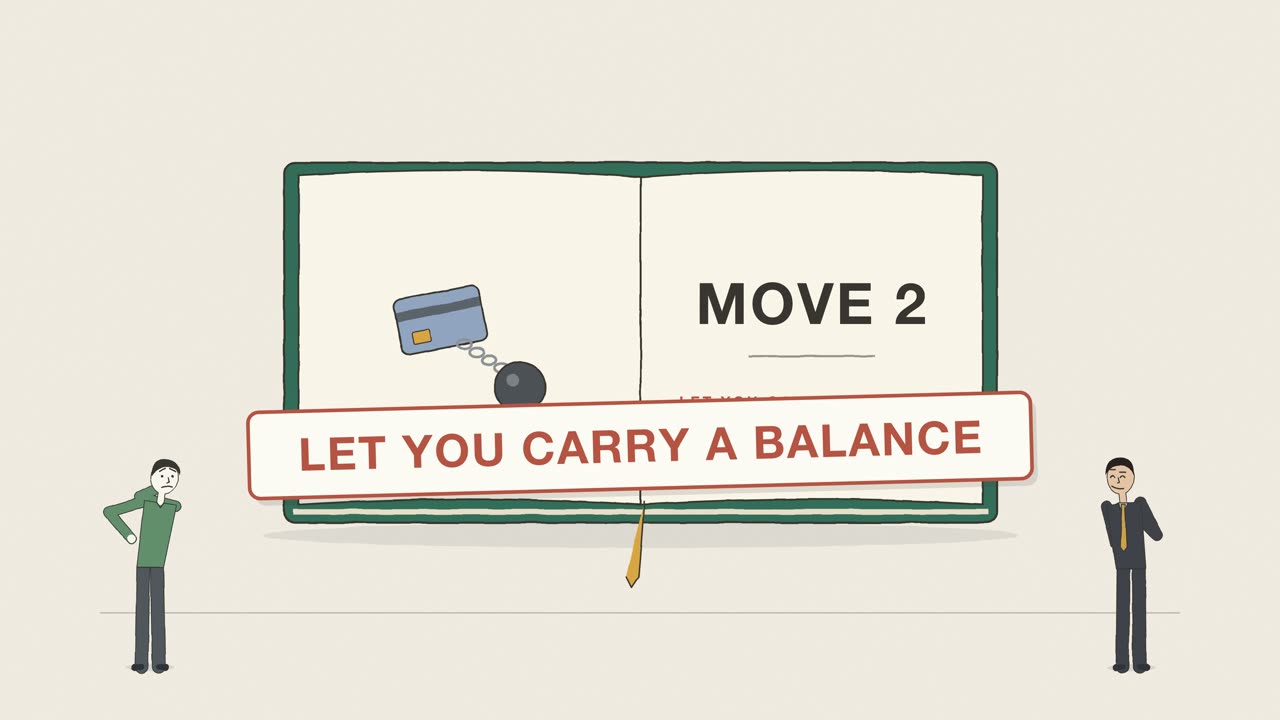
Move two. Let you carry a balance.
Move 2: the first credit card, Fresno 1958
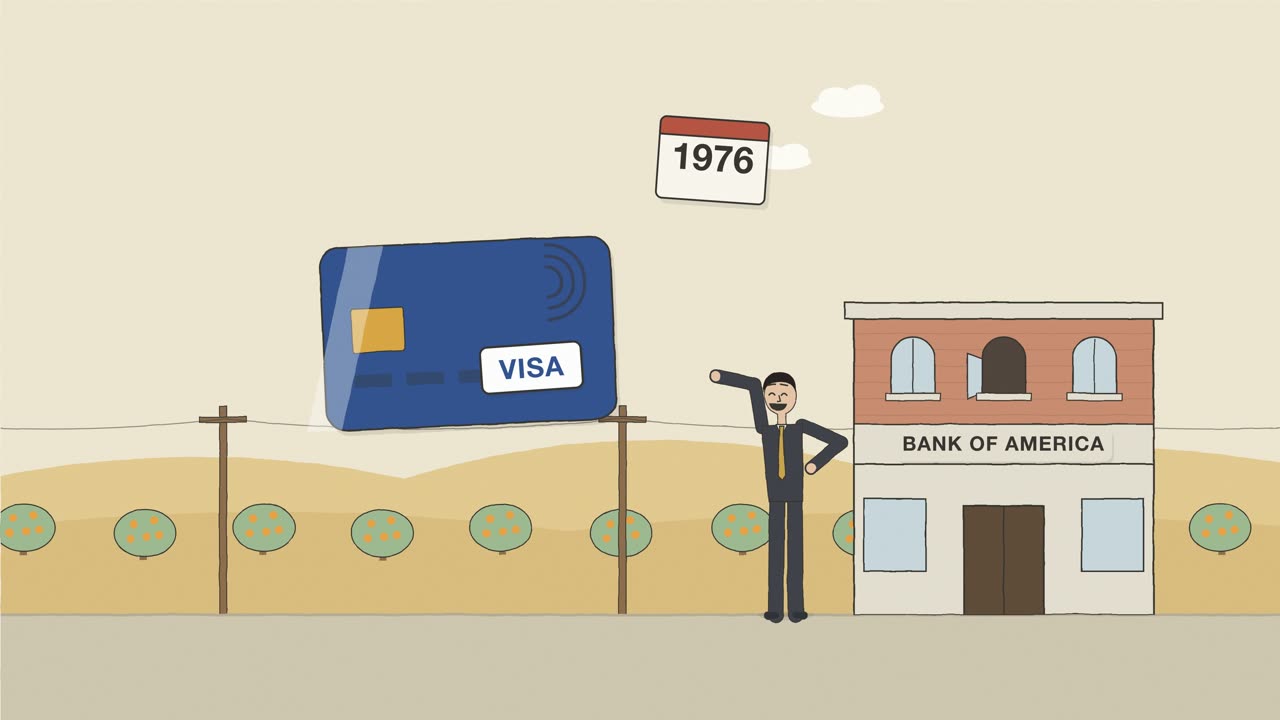
On September eighteenth, 1958, 60,000 people in Fresno, California, opened their mail and found a credit card. Nobody had asked for one. Bank of America just sent them.
The card charged 18% interest on any balance. Within a year, the bank had mailed 2 million cards across California. One writer who told the story said cards went to dead people, and even dogs.
More than one in five accounts fell behind on payments. The bank lost millions. But it kept the card going, and that card grew into Visa.
Why credit card interest is so high
Many states set a limit on what a bank could charge. In the late 1970s, Citibank was losing money on cards. Its boss, Walter Wriston, later put it simply.
"We were going broke". In 1978, the Supreme Court ruled that a bank could charge its home state's rate to customers anywhere. So Citibank looked for a state that would drop its limit.
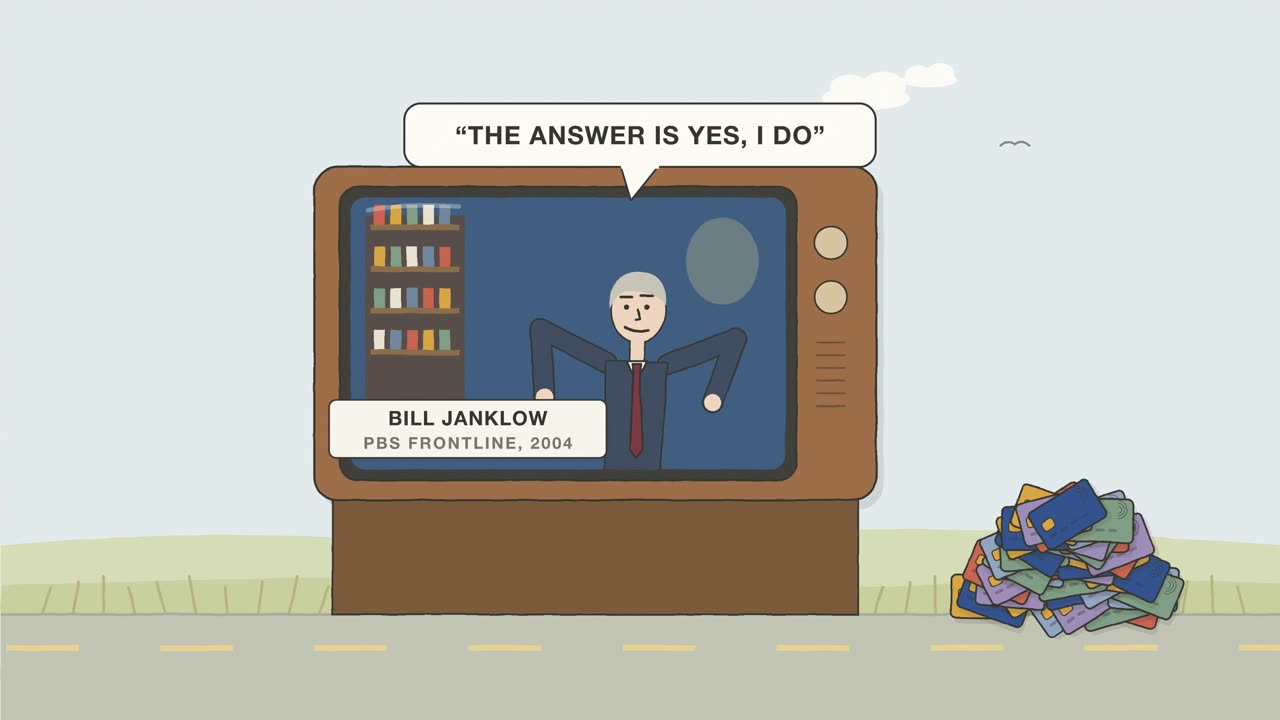
South Dakota's governor, Bill Janklow, said Citibank wrote the bill itself. He said it passed in one day. Citibank moved its card business to Sioux Falls, and Delaware soon passed its own law.
Years later, Janklow was asked if he helped feed America's card debt. He said, "The answer is yes, I do".
Credit card interest explained
That is why your card can charge so much. In August of 2026, card companies charged about 22% a year. That is what people paid when they did not pay in full.
On the average balance, about $6,500, that is about $120 a month. You pay it every month, and you get nothing for it. There is one more catch.
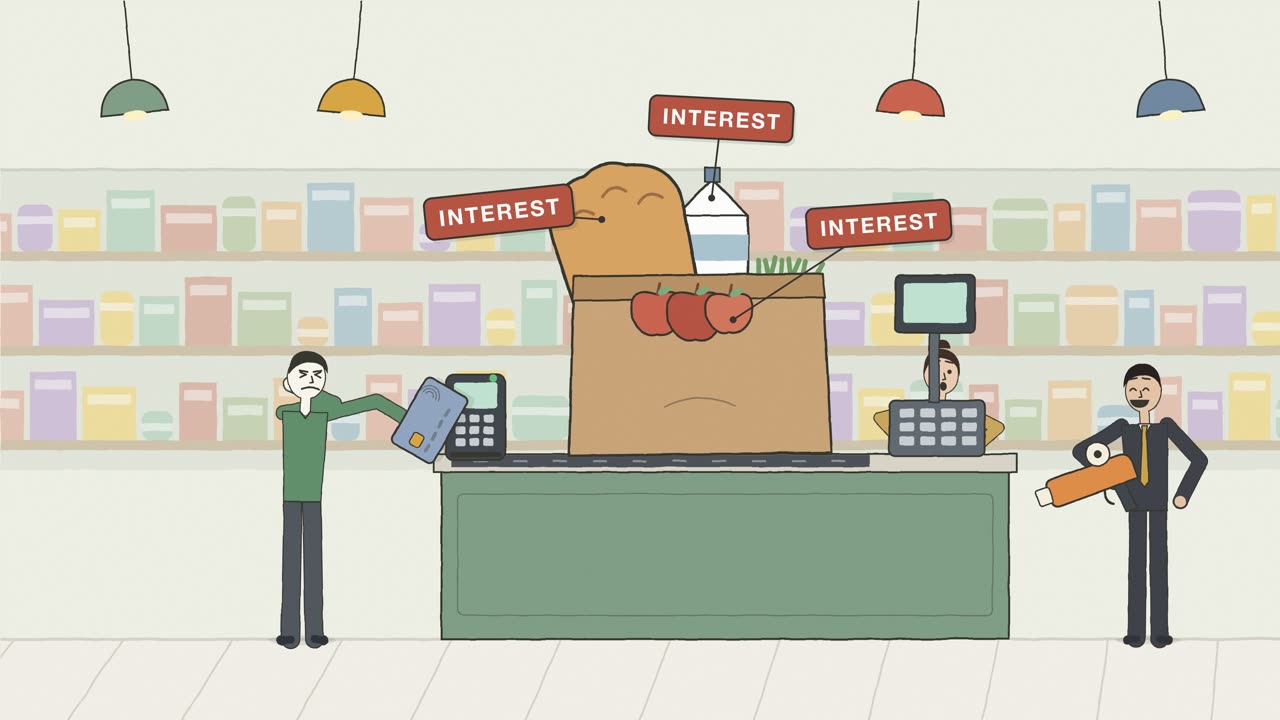
When you carry a balance, new things you buy start costing interest right away. That includes your groceries.
Why card companies call you a deadbeat
So does the bank make nothing from the deadbeat? Not quite. Every time you swipe, the store pays a fee, a little over two cents of every dollar.
Most of it goes to the bank that gave you the card. But on a rewards card, much of that comes back to you as rewards. So a deadbeat with a rewards card earns the bank very little.
That is where the nickname comes from. Move three. Make the minimum look small.
Move 3: the 2% credit card minimum payment
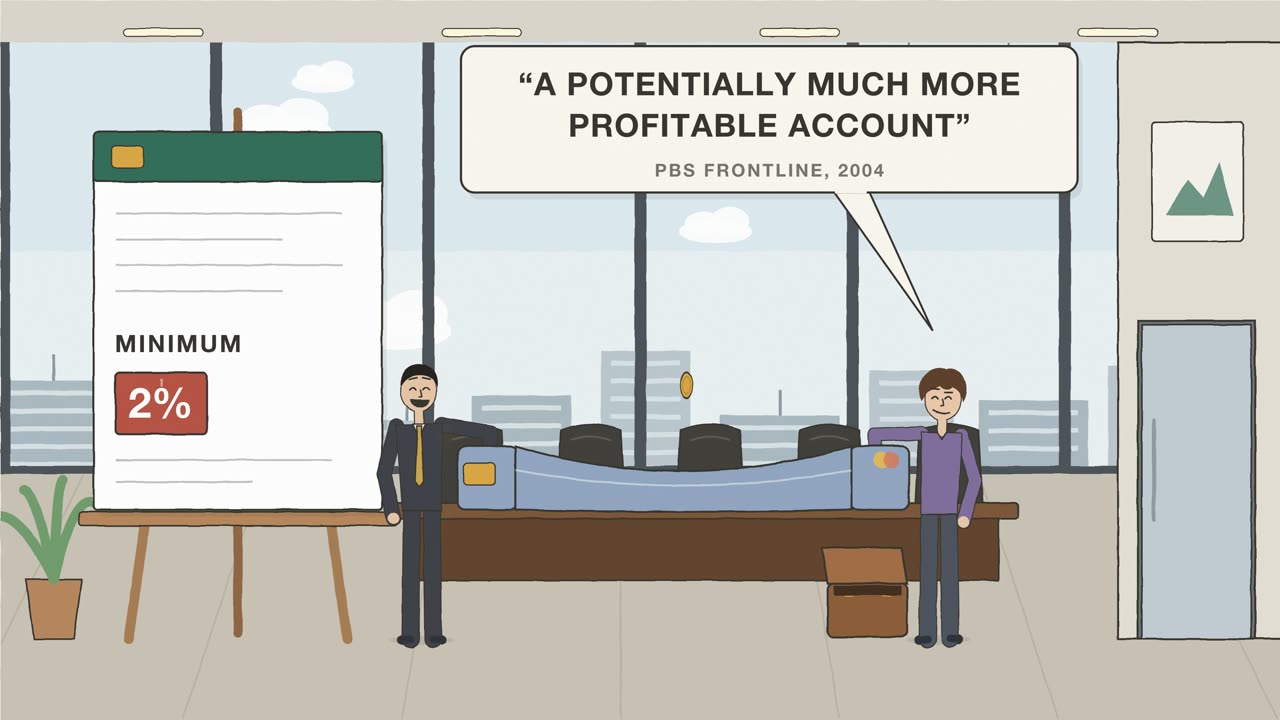
Many card minimums used to be about 5% of the balance each month. Then a consultant named Andrew Kahr went to work for the card companies. He told PBS, "I was able to convince one of the major issuers to reduce it to 2%".
Issuers means card companies. Why would a bank want you to pay less? Kahr explained that, too.
A smaller minimum makes room for a bigger credit limit. And, in his words, "a potentially much more profitable account".
Minimum payment vs full payment
For the average card balance, the minimum payment is about $186. It feels doable. But stop using the card and pay only the minimum, and you will be paying for 19 years.
You will pay more in interest than you borrowed. Now pay 300 a month instead. You are done in under 2.
5 years. It is the same card and the same debt, paid off years sooner. The law makes card companies print this on your bill, in a box called the minimum payment warning.
Look for it. Move four. Charge you for being short.
Move 4: overdraft fees explained
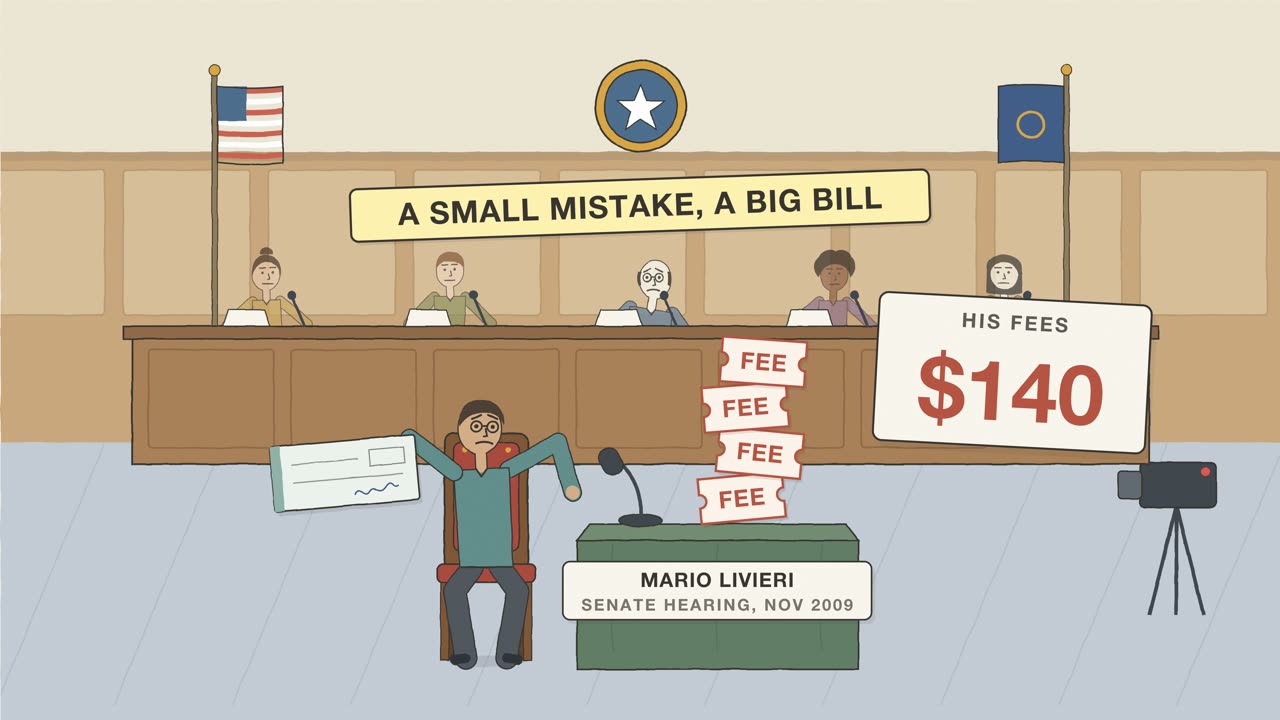
An overdraft is when you spend more than you have, and the bank covers it. Then the bank charges you a fee. The average fee is about $27, even when you only bought a $6 lunch.
In 2009, a man named Mario Livieri told the Senate his story. He was $2.17 short, and the fees grew to $140.
A small mistake turned into a big bill.
How one overdraft became ten fees
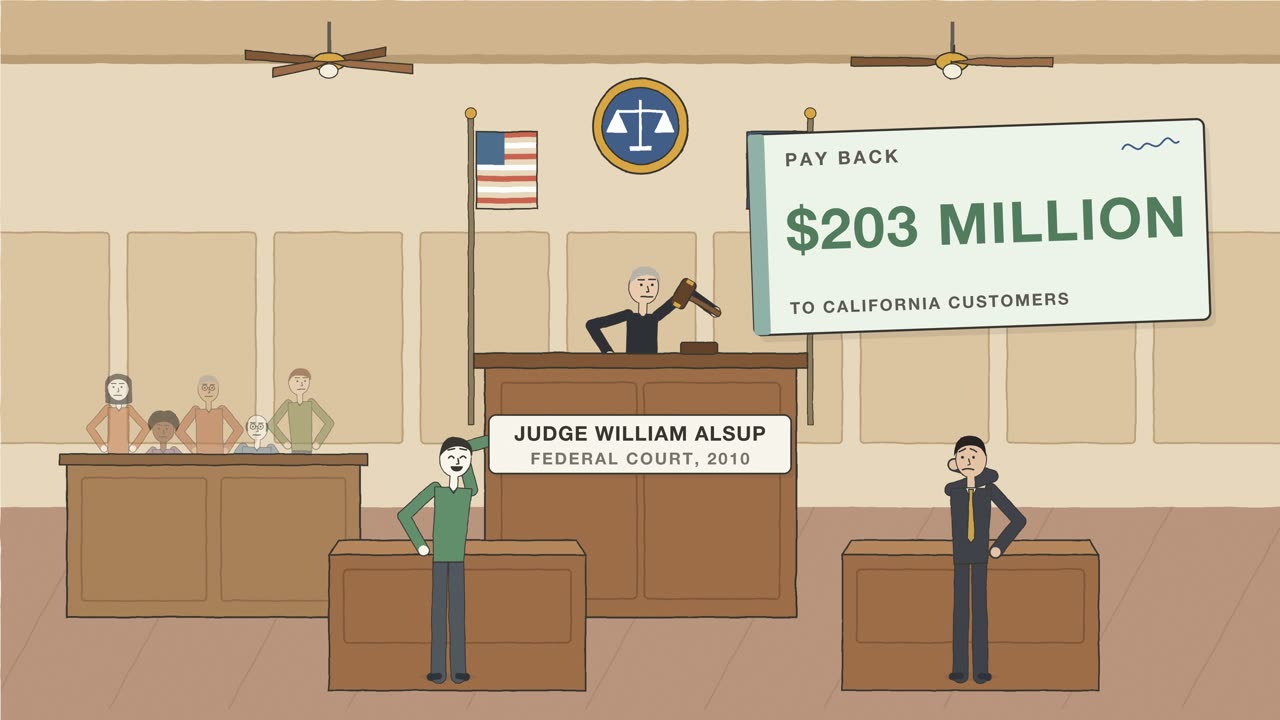
Some banks made it worse on purpose. Wells Fargo took your biggest purchase out first, even if you made it last. That way, one overdraft could turn into 10 fees.
Inside the bank, the plan was called Balance Sheet Engineering. In 2010, a judge ruled against Wells Fargo. He wrote that the bank's only goal was to squeeze out as many fees as it could.
The bank had to pay back $203 million.
How to stop overdraft fees
Here is what most people do not know. Your bank needs your yes before it can charge an overdraft fee on a debit card purchase. About half the people who paid these fees did not remember saying yes.
You can call your bank and say no. These fees mostly hit the people with the least money. About one in 11 accounts paid almost 80% of all overdraft fees.
There is good news. Capital One and Citi stopped charging overdraft fees in 2022. You can choose a bank that never charges them.
The twist.
The twist: what broke customers cost banks
Remember Fresno. When too many people could not pay, the bank lost millions. Banks still give up on almost four of every $100 of card debt each year.
That money is never coming back. A customer who truly cannot pay costs the bank. Part of what everyone else pays covers it.
Picture a surprise bill of $400. In 2025, more than one in three adults said they would not cover it with cash. They would borrow, sell something, or could not pay.
For them, every move in the playbook lands at once. To be fair, banks do real work. They keep your money safe, and they lend to people who need a home or a car.
But at most big banks, savings pays almost nothing, and the fees land hardest on people closest to zero.
3 steps to beat the bank's playbook
Here is a strategy many people recommend. It has three steps. Step one.
Pay your card in full every month. If you already carry a balance, pay a set amount well above the minimum, and stop adding to it. That beats moves two and three.
Step two. Move your savings to a high yield savings account, and check that it is insured. That beats move one.
Step three. Call your bank and say no to overdraft on your debit card, or pick an account with no overdraft fees. Then set an alert for when your balance runs low.
That beats move four.
So why do banks want you broke?
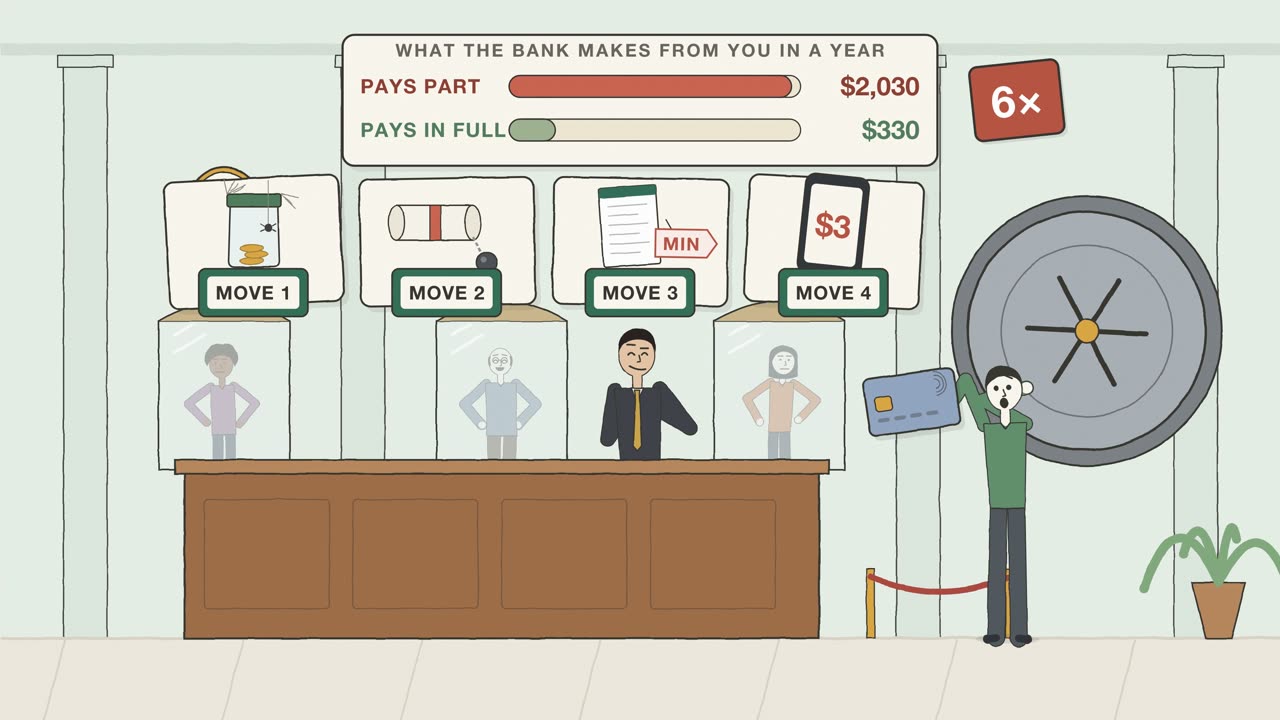
So, why do banks want you broke? They do not, exactly. A broke customer cannot pay.
They want you almost broke. With your savings earning almost nothing. Carrying a balance.
Paying the minimum. A few dollars short before payday. Do all four, and a bank can earn about six times more from you than from a deadbeat.
Our take
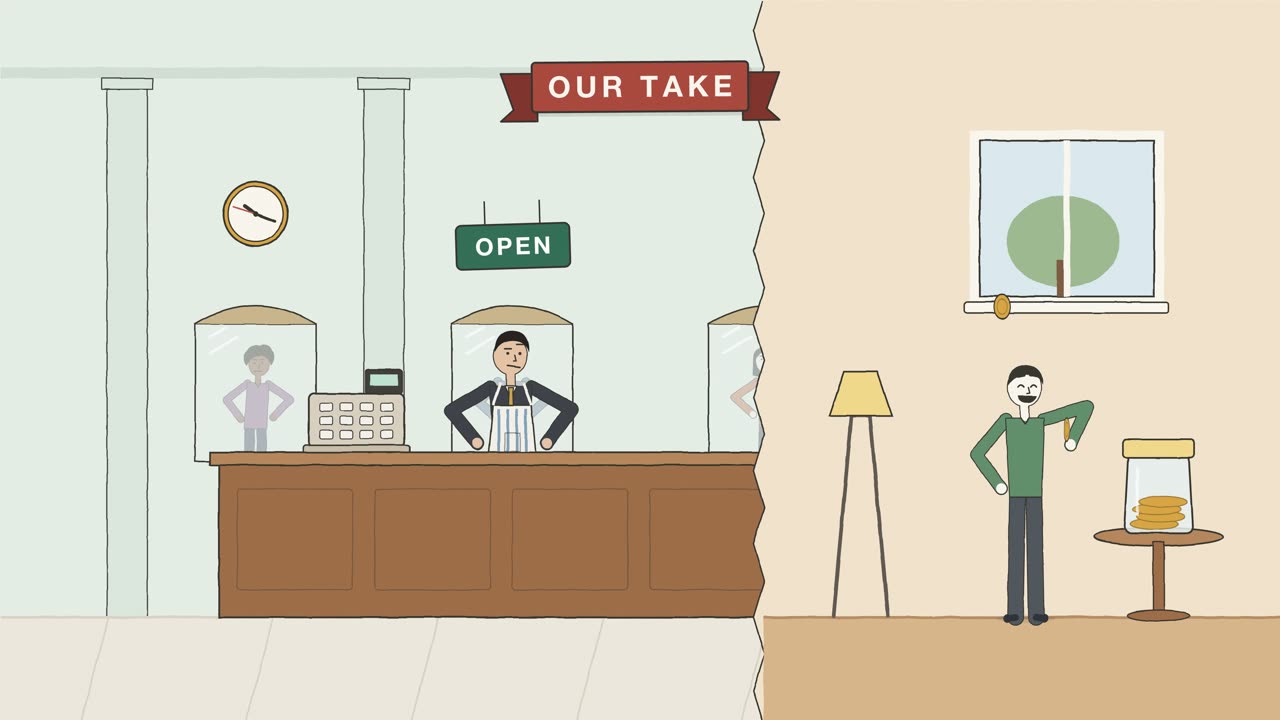
Here is our take. Banks are not villains. They are businesses, doing what businesses do.
Almost every move in the playbook is legal, and most are printed on your own statements. You do not have to be the customer it works on. The less the bank makes from you, the more you keep.
To a bank, the best customer is almost broke. And the worst one is a deadbeat. Be the deadbeat.