BankToons · Housing
Is the Housing Market Going to Crash in 2026?
Is the housing market going to crash in 2026? Mortgage rates just jumped to about 7.5%, and long-term government bonds now pay more than they have in over 20 years. We walk through why rates are climbing, how a bond's price and its yield move like a seesaw, and what the math says about home prices.
The short version: when rates rise this fast, sales fall before prices. There are over 50% more sellers than buyers, the biggest gap on record. To get back to the monthly payment buyers had earlier this year, home prices would need to fall about 14%, or roughly $62,000 on a typical home. And a safe government bond now pays more than owning a rental home.
It is not 2008: most owners have a lot of equity and locked in low rates, so the market is not crashing. It is stuck, and it stays stuck until rates or prices come down.
Why mortgage rates just hit 7.5%
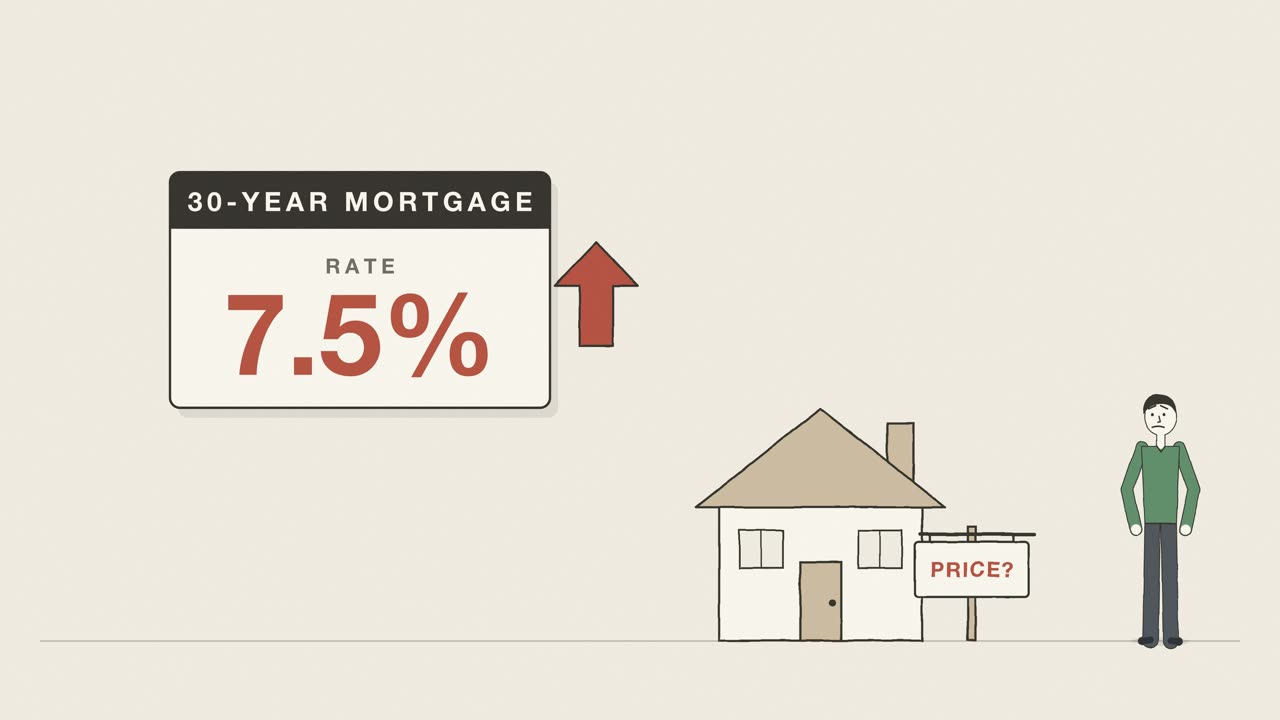
Mortgage rates just jumped to about 7.5%. Long-term government bonds are paying more than they have in over 20 years.
Lending money to the government now pays more than owning a rental home. First, here is why rates are climbing. Then we will walk through what the math says about home prices.
What is a Treasury bond?
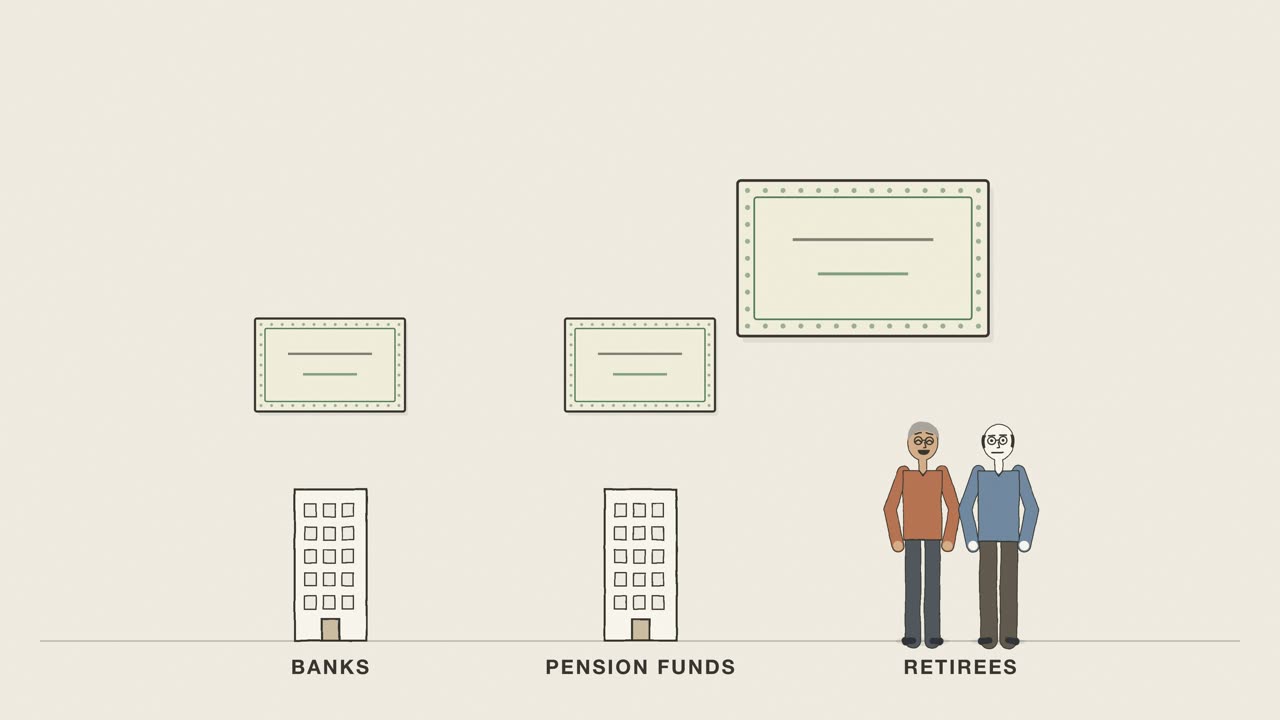
It starts with Treasury bonds. When the United States needs to borrow money, it sells Treasury bonds. A bond is a loan.
You lend the government money, it pays you interest, and at the end it pays you back in full. People treat it as the safest loan in the world. Banks, pension funds and retirees all buy them.
Why bond prices and yields move in opposite directions
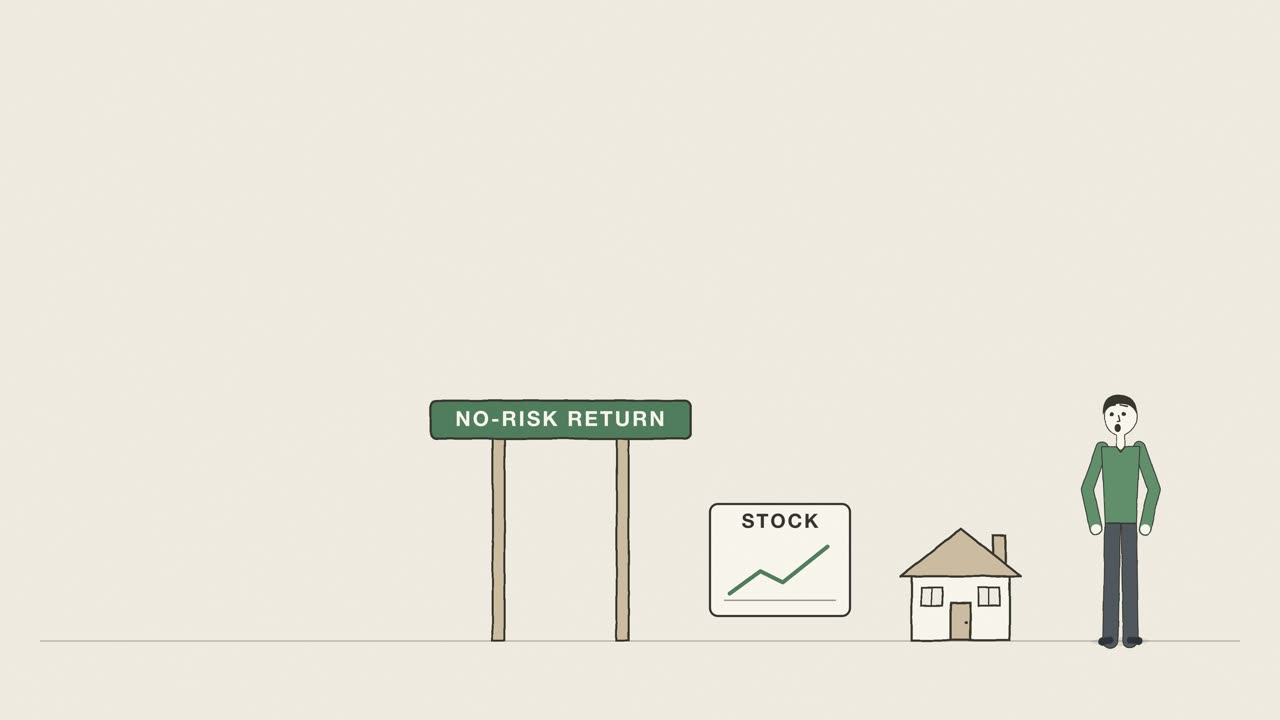
Lately, bond prices have been falling. A bond's price and its yield move in opposite directions. The yield is the return you get for the price you pay.
Picture a bond that costs $100 and pays $5 a year. If lots of people want it, buyers might push the price up to $125. That same $5 is now only a 4% return.
If few people want it, the price might drop to $80. Now the same $5 is a 6.25% return.
So when a headline says yields are spiking, it means people are selling government bonds. The price keeps falling until the return is high enough to bring buyers back. That is a warning sign.
The government is the safest borrower there is. When it has to pay more, everyone else has to pay more too. A stock or a house now has to beat a return that comes with no risk at all.
Why are interest rates rising? Inflation, oil and debt
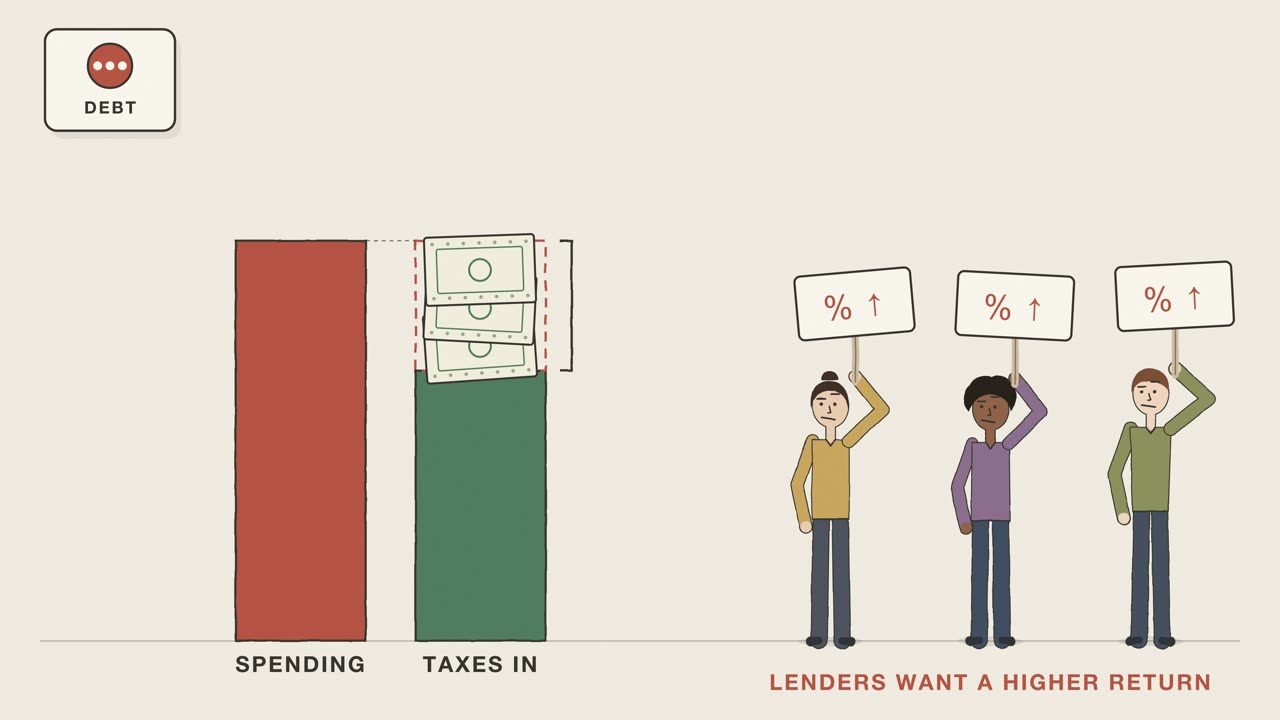
So why do lenders want more? Three things are hitting the bond market at the same time. The first is inflation.
Inflation means prices rising across the economy. It has stayed above 2.5% for 65 months in a row.
The Federal Reserve is the country's central bank. Its main tool against rising prices is higher interest rates. The second is oil.
Oil is back above $100 a barrel. Bank of America has warned it could reach 150. Talks to reopen the Strait of Hormuz have broken down again.
That is a narrow stretch of sea that much of the world's oil passes through. Expensive oil pushes prices up everywhere, and that keeps rates high. The third is debt.
The government spends about $2 trillion a year more than it takes in. It covers the gap by selling more bonds. So it needs more lenders at the exact moment lenders want a higher return.
Is the housing market crashing? Sales fall first
Now the housing market. When mortgage rates rise this fast, prices do not fall first. Sales do.
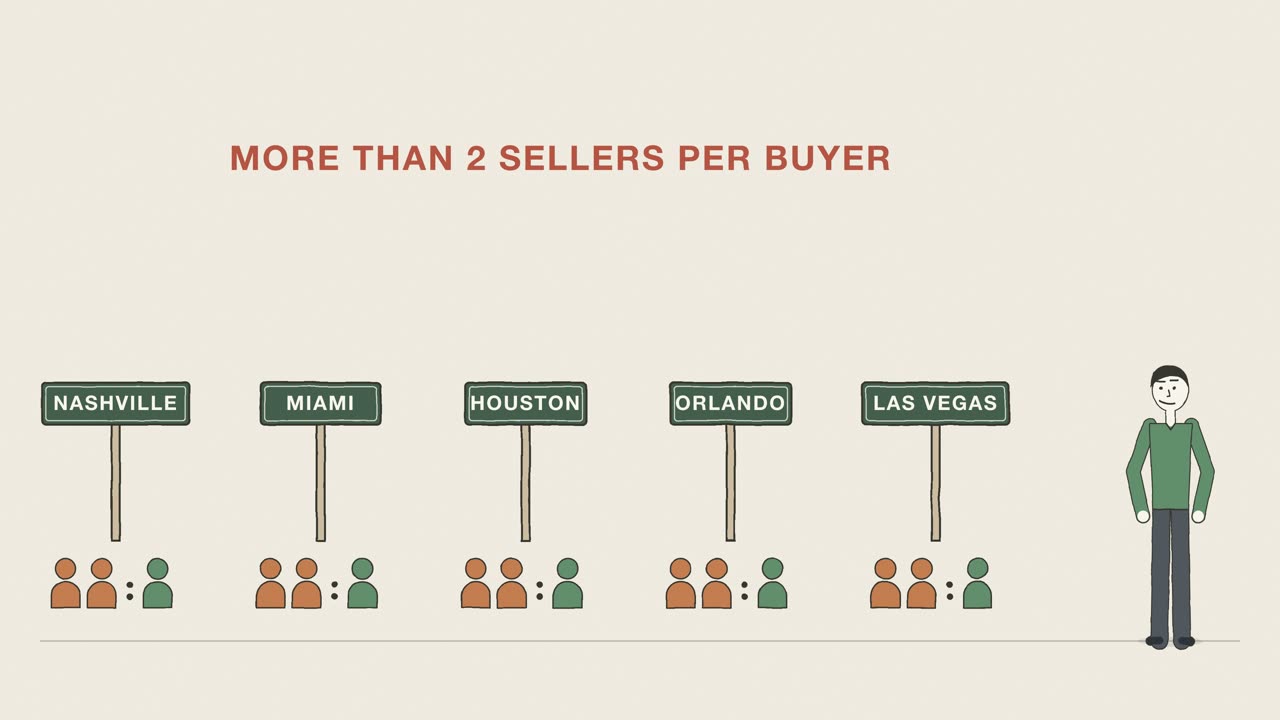
Mortgage applications have dropped to their lowest level since the early 1990s. Redfin, a real estate company, found over 50% more sellers than buyers. That is the biggest gap in its records.
In Nashville, Miami, Houston, Orlando and Las Vegas, there are more than two sellers for every buyer.
Are home prices falling after inflation?
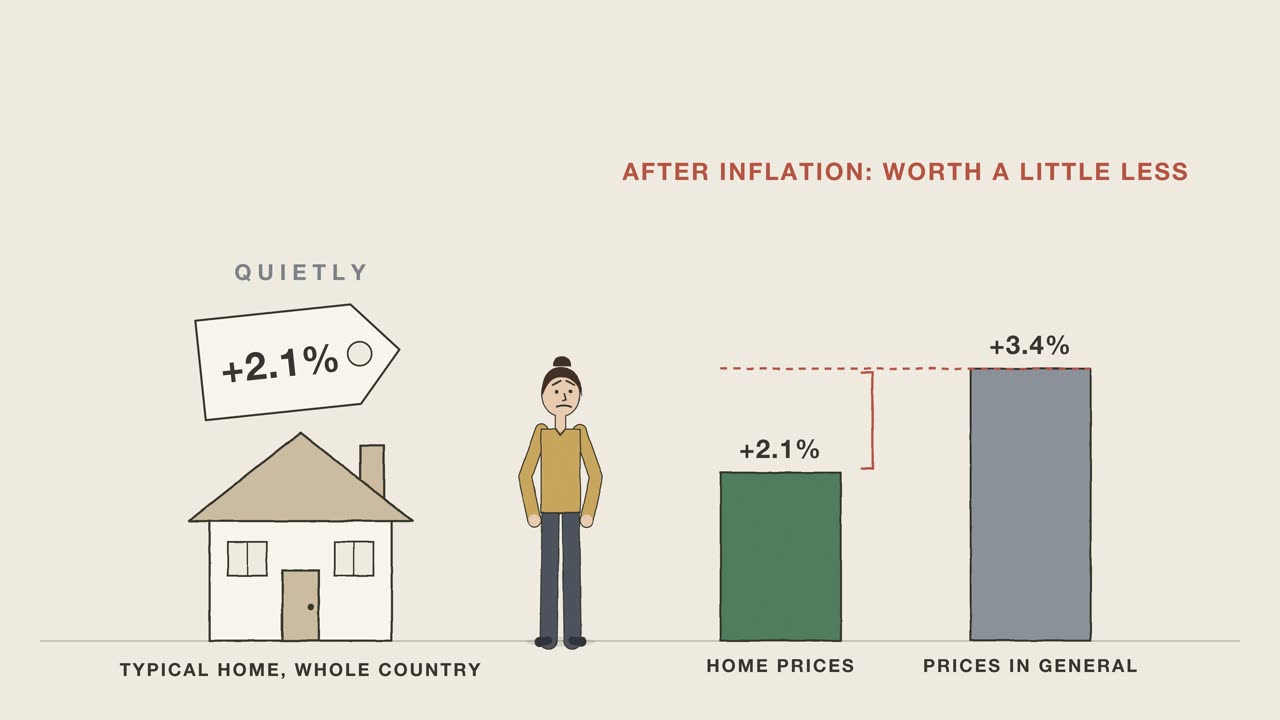
Builders are cutting too. 38% of home builders cut their prices in September. The average price of a brand new home is down 8.
8% from a year ago. Across the whole country, the typical home price is still up 2.1% from a year ago.
Most owners would rather not sell than sell at a loss. But prices in general rose 3.4% over that same year.
So after inflation, homes are already worth a little less. It is just happening quietly.
How much would home prices need to fall?
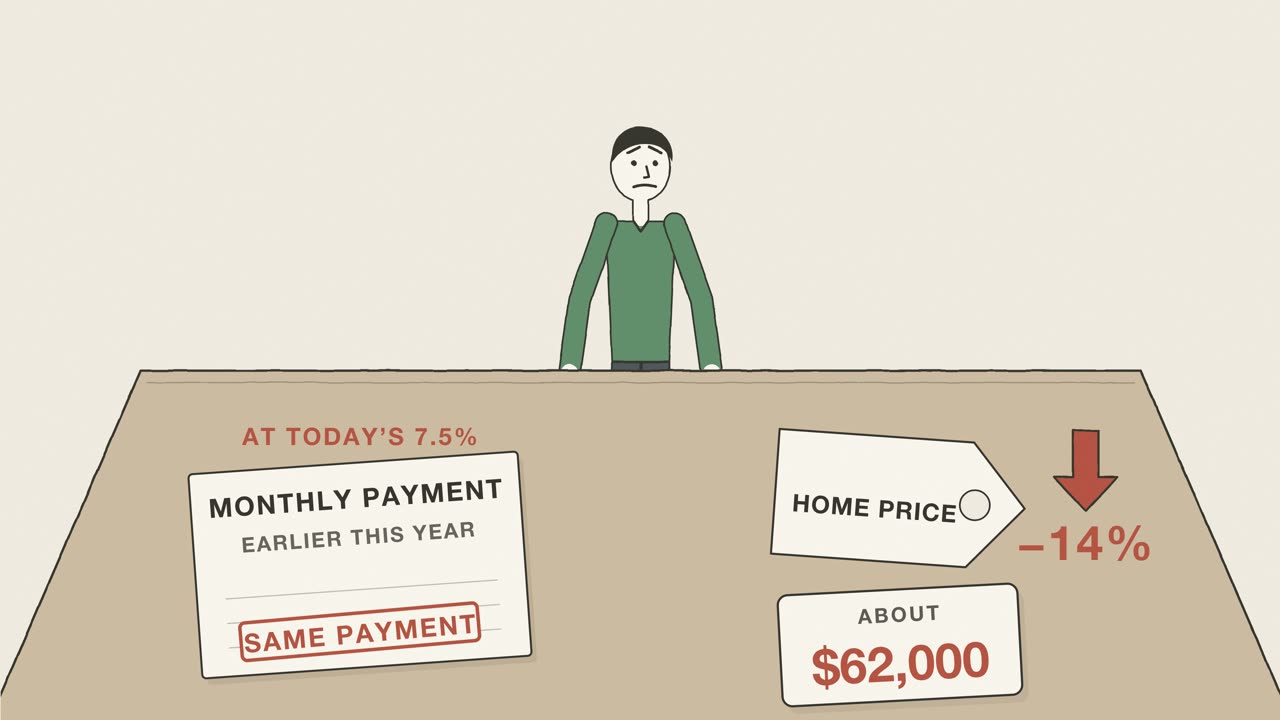
Then comes the hard part. Take a buyer's monthly payment from earlier this year. To get that same payment at current rates, home prices would need to fall about 14%.
On a typical home, that is about $62,000.
How higher rates hit the national debt
Higher rates do not stop at housing. They reach four other places. First, the national debt.
The United States just passed $40 trillion in debt, less than five months after crossing 39 trillion. In the first 11 months of its budget year, the government paid over $1 trillion in interest. That is more than it spent on Medicare, and more than it spent on the military.
It works out to just over $3 billion a day. Much of that debt was borrowed years ago at low rates. As it comes due, it is replaced with new debt at current rates.
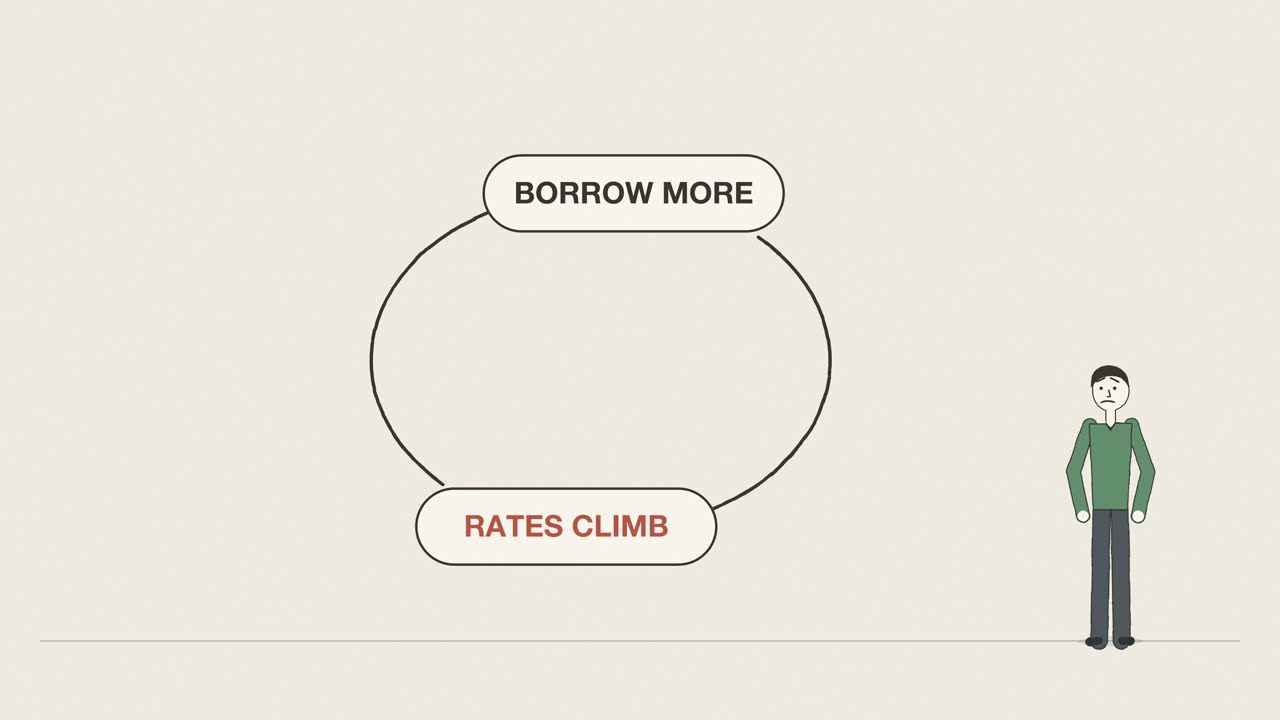
Every 1% rise adds about $320 billion a year in interest. To pay it, the government borrows more, and rates climb again.
Why bond funds in retirement accounts are down
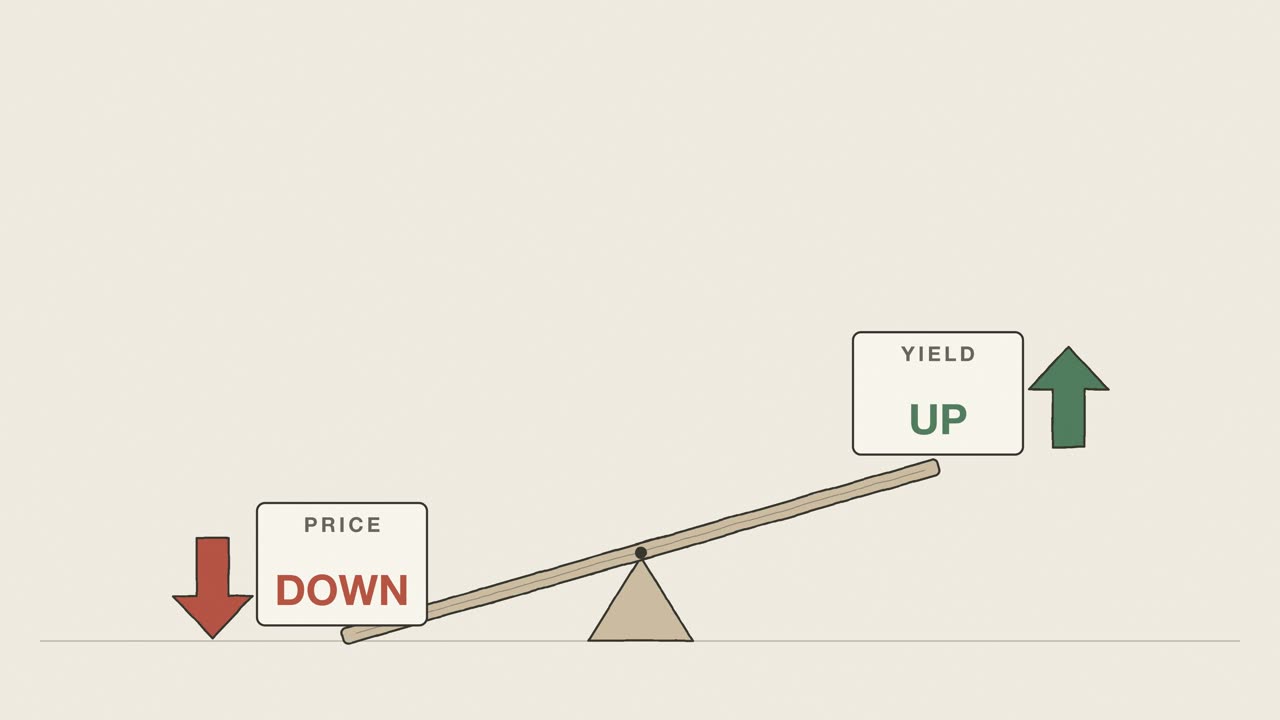
Second, retirement accounts. For decades, retirees were told bonds are the safe part of their savings. Funds that hold long-term government bonds recently closed at their lowest price ever.
They are down more than half from their 2020 peak. That is the seesaw from earlier. Yields went up, so prices went down.
Bonds vs stocks: the S&P 500
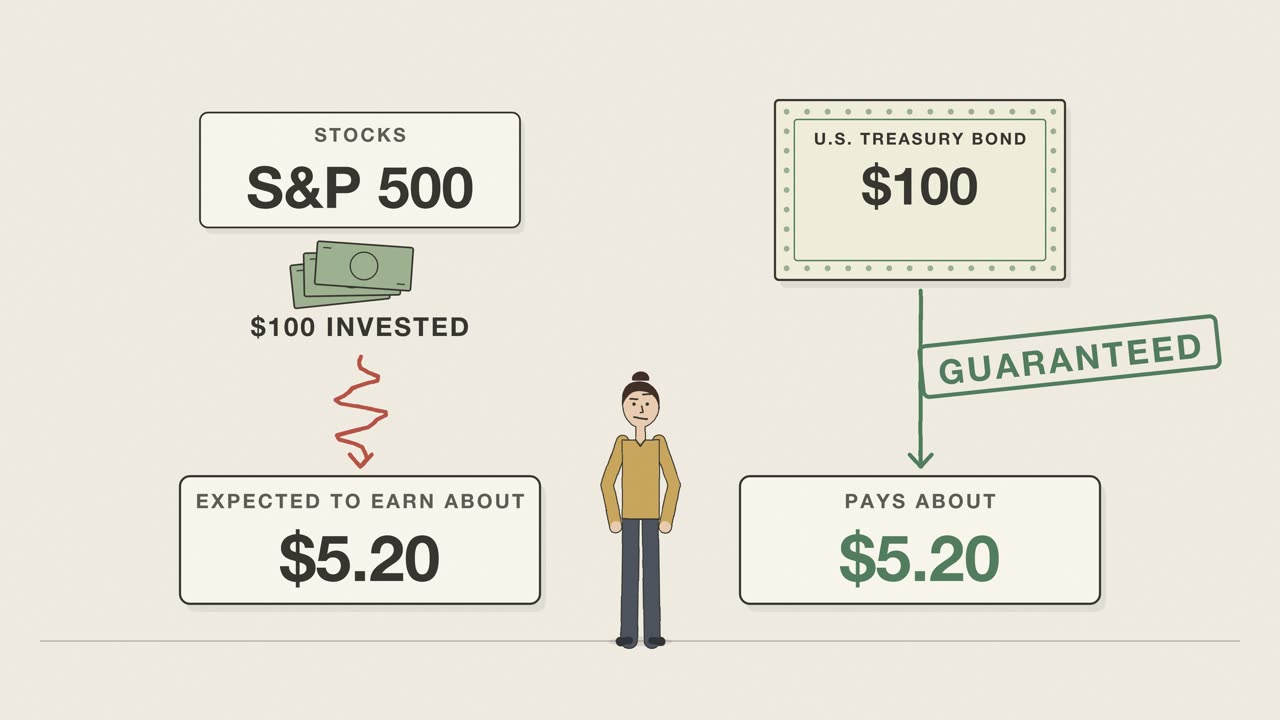
Third, stocks. The S&P 500 is 500 of the biggest American companies. For every $100 invested in them, they are expected to earn about $5.
20. A government bond pays about $5.20 too, and that is guaranteed.
Bonds vs rental property: which pays more?
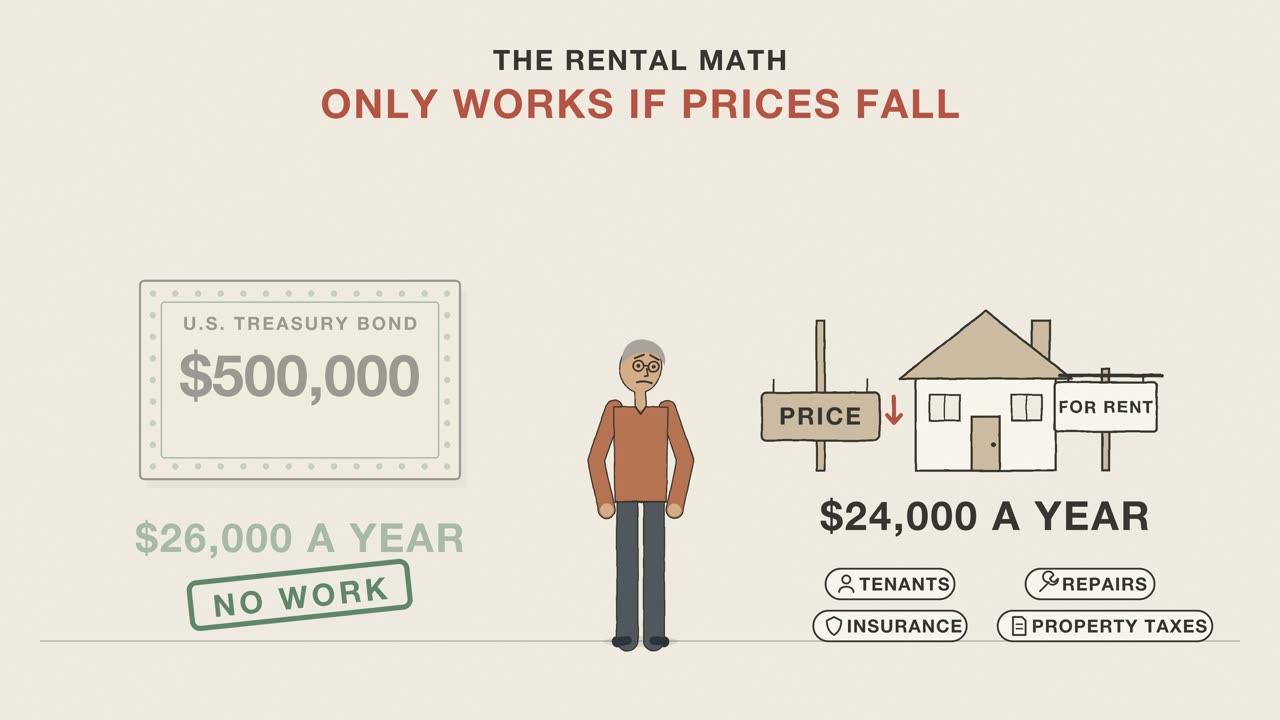
Fourth, rental homes. Say a landlord has $500,000. In government bonds, that earns about $26,000 a year, with no work.
In a rental home, it earns about 24,000. And that comes with tenants, repairs, insurance and property taxes. If rates stay this high, the rental math only works if prices fall.
What happens next for mortgage rates?
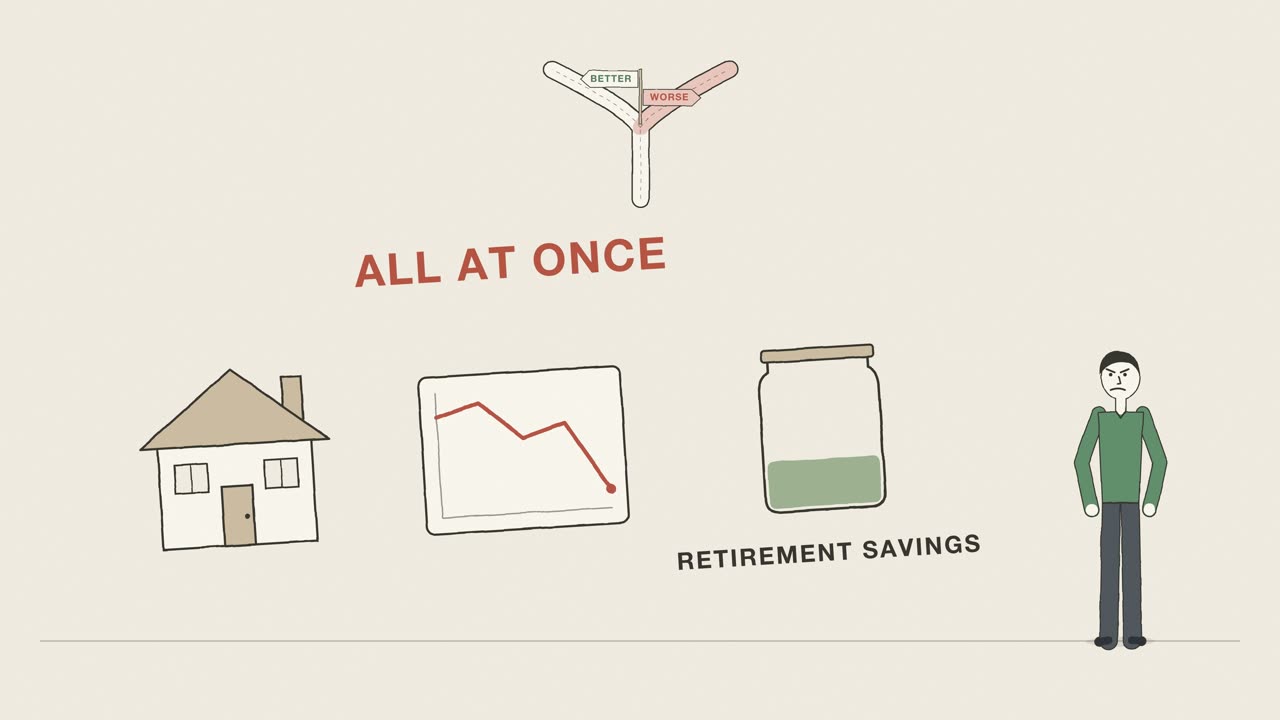
So what happens next? There are two paths. In the better one, the Strait of Hormuz reopens and oil falls.
Inflation cools, the Federal Reserve does not need to raise rates, and things slowly settle down. In the worse one, oil stays above $100 and the conflict grows. The Federal Reserve raises rates again, and mortgage rates reach 8%.
That would hit homes, stocks and retirement savings all at once.
Is this 2008 all over again?
It helps to compare this with 2008. Back then, many people had loans they could not afford. When prices fell, they were forced to sell.
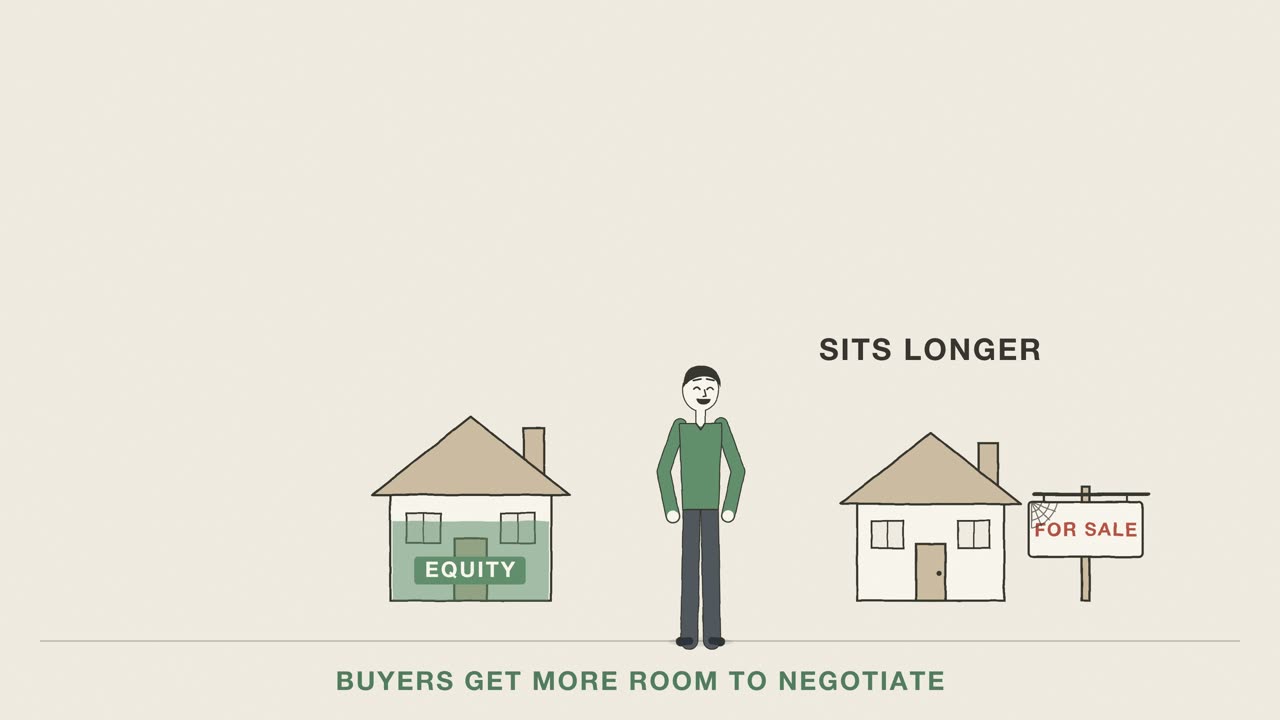
This time, most owners have a lot of equity. Equity is the part of the home you own outright. Many also locked in low mortgage rates years ago.
So most owners can simply stay put. The homes that do go up for sale sit longer, and buyers get more room to negotiate.
Where the housing market stands
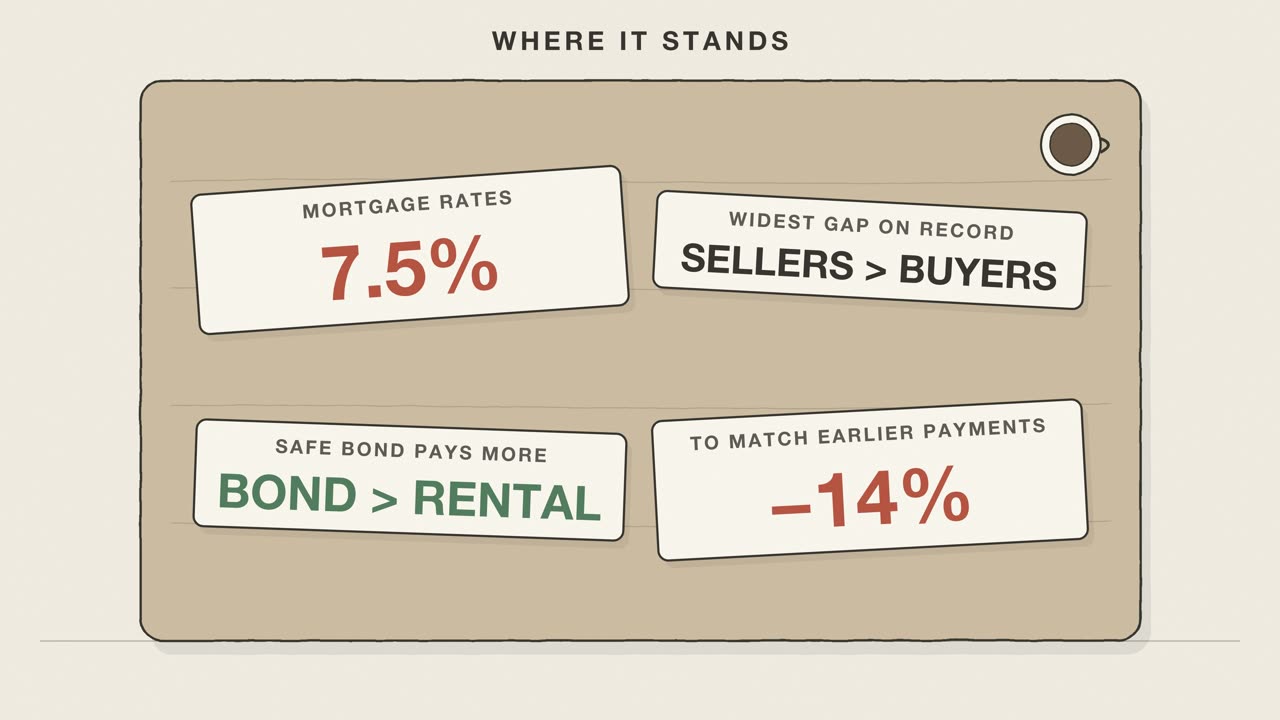
So here is where it stands. Mortgage rates are about 7.5%.
Sellers outnumber buyers by the widest gap on record. A safe government bond now pays more than a rental home. And prices would need to fall about 14% to bring payments back to where they were this year.
The housing market is not crashing. It is stuck. And it stays stuck until one of two things comes down: rates, or prices.